
Muscle building tips work at home when you stop chasing “harder” and start controlling a few basics: progressive overload, enough protein, and recovery you can actually sustain. You do not need fancy machines, but you do need a plan that makes your workouts slightly more challenging over time.
If you feel stuck, it’s usually not because your push-ups “aren’t enough,” it’s because your sets aren’t close enough to failure, your weekly volume is random, or your nutrition undercuts the work. Home training makes it easy to underestimate effort and overestimate consistency.
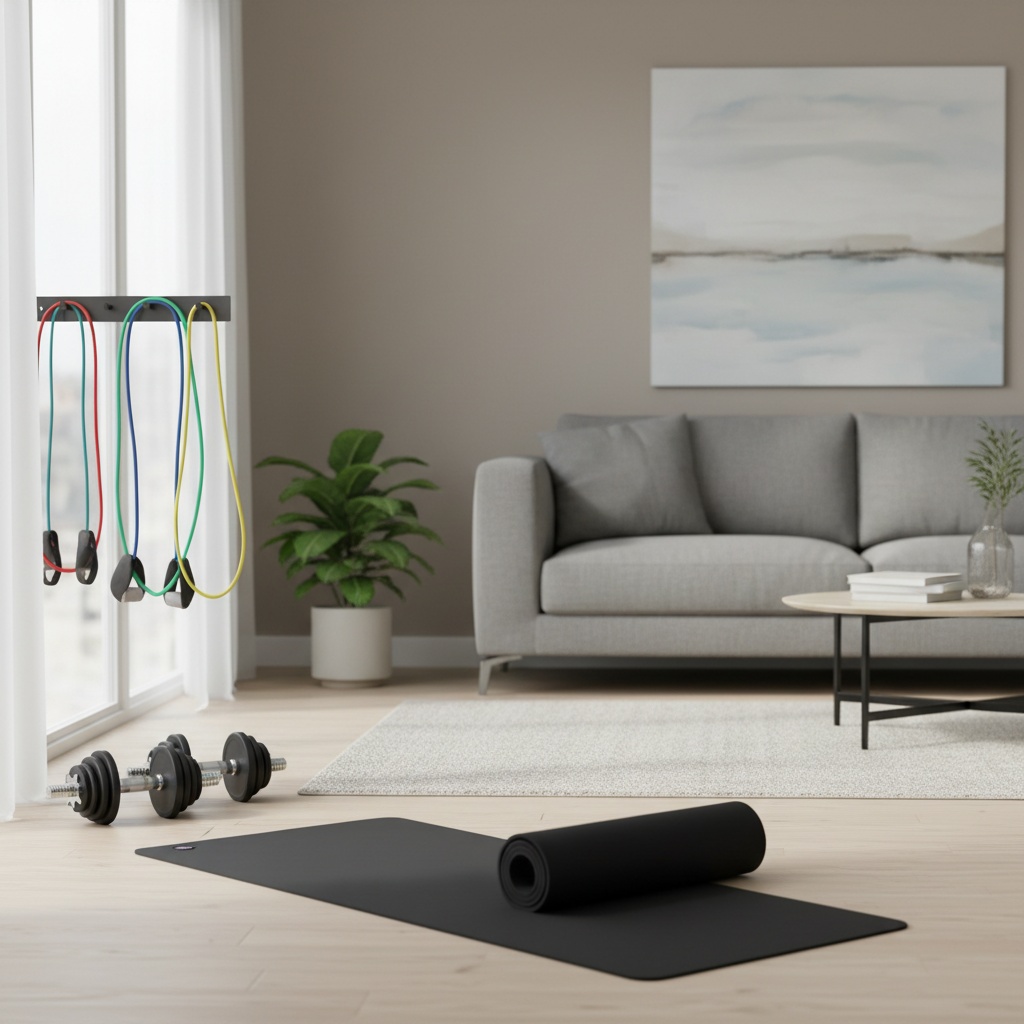
This guide keeps it practical: how to structure your week, how hard each set should feel, what to eat without turning your life into meal prep, and how to tell if you’re building muscle or just getting tired.
What “faster” muscle gain really depends on
At home, “faster” usually means you remove the common bottlenecks. Muscle growth is driven by training stimulus plus recovery resources, and both have thresholds.
- Progressive overload: you add reps, load, sets, or make the exercise harder over time.
- Effective reps: sets end close to failure, so the muscle fibers that grow get recruited.
- Weekly volume: enough hard sets per muscle, repeated week after week.
- Protein and calories: your body needs building blocks and energy to add tissue.
- Sleep and stress: recovery decides whether the stimulus becomes growth.
According to the American College of Sports Medicine (ACSM), resistance training with appropriate intensity and progression supports increases in muscular strength and size, and the exact plan should match your training status and goals.
Quick self-check: why you might not be growing
Before you change everything, figure out what’s actually missing. Many people fix the wrong thing, like adding more exercises when the real issue is effort or food.
Training signals
- You finish most sets and feel like you could do 5+ more reps.
- Your weekly workouts change constantly, so you cannot beat last week’s numbers.
- You “hit everything” in one session, then take long gaps and repeat.
- You have no way to progress because you only own light weights.
Nutrition and recovery signals
- Your body weight never trends up, and you often feel under-fueled.
- Protein is inconsistent, especially at breakfast and lunch.
- Sleep runs short for many nights in a row, workouts feel flat.
If two or more items sound familiar, that’s likely where your “speed” is leaking.
Home training basics that actually build muscle
Good home programming is boring in the best way: repeatable sessions, a small menu of moves, and clear progression. These muscle building tips matter more than adding trendy variations.
1) Choose the right tools (minimal gear, maximum options)
- Adjustable dumbbells or a few fixed pairs, plus loop bands or long resistance bands.
- A pull-up bar if your doorway supports it safely, or rings/straps if you have a solid anchor.
- A stable chair/bench for split squats, step-ups, hip thrusts.
No equipment? You can still grow, but you’ll rely more on unilateral work, tempo, pauses, and higher reps close to failure.
2) Train close to failure (without wrecking yourself)
A practical rule: most working sets should end with about 1–3 reps in reserve (RIR). That means you stop when you think you could grind out only 1–3 more reps with good form.
- Compound moves (split squats, presses, rows): often best at 6–12 reps.
- Isolation moves (curls, lateral raises): often fine at 10–20 reps.
If you’re new, keep a little more margin and focus on clean reps, especially for movements that stress joints or lower back.

3) Hit enough weekly hard sets
For many people, a workable target is 10–20 hard sets per muscle per week, adjusted based on recovery and experience. At home, start lower, earn your way up, and watch performance and soreness.
- If you’re not improving lifts or reps, volume might be too low, or effort too easy.
- If you’re constantly sore, sleep is poor, and performance drops, volume might be too high.
A simple 4-day at-home muscle plan (repeat for 6–8 weeks)
This split is popular because it’s repeatable and doesn’t require marathon sessions. Use it as a template, not a religion.
Progression rule: pick a rep range. When you hit the top of the range on all sets with solid form, increase load (or make the exercise harder) next time.
| Day | Focus | Exercises (examples) | Sets x Reps |
|---|---|---|---|
| Mon | Upper A | Dumbbell press, 1-arm row, overhead press, curls, triceps extensions | 3–4 x 6–12 (accessories 10–20) |
| Tue | Lower A | Split squat, RDL, hip thrust/glute bridge, calf raises, plank | 3–4 x 6–12 (core 30–60s) |
| Thu | Upper B | Push-ups (weighted/banded), pull-ups or band pulldown, lateral raises, rear delts, arms | 3–4 x 8–15 |
| Fri | Lower B | Goblet squat, step-ups, hamstring curl with sliders/band, lunges, carries | 3–4 x 8–15 |
If you only can train three days, keep the same exercise list and rotate sessions in order, so you still see each pattern often enough.
How to keep progressing when weights are limited
Home Workouts get hard when your dumbbells top out too early. You still have levers to pull, and they’re surprisingly effective.
- Add reps until you reach the top of your range.
- Add sets for the muscle that stalls, not for everything.
- Slow the tempo: 3 seconds down, brief pause, controlled up.
- Increase range of motion: deficit push-ups, heels-elevated squats, deeper split squats (as mobility allows).
- Use unilateral work: one-leg and one-arm moves make lighter loads feel heavy.
- Shorten rest slightly on accessories, while keeping form tight.
These muscle building tips also reduce the urge to constantly switch exercises, which is a quiet progress killer.
Nutrition that supports muscle gain (without overcomplicating it)
Training tells your body “build,” food gives it permission. If you want faster changes, nutrition needs to be consistent, not perfect.
Protein: hit a daily target you can repeat
According to the International Society of Sports Nutrition (ISSN), higher protein intakes can support training adaptations, and spacing protein across meals is commonly recommended. For many adults, aiming around 1.6–2.2 g/kg/day is a practical range, but needs vary and medical conditions can change the picture.
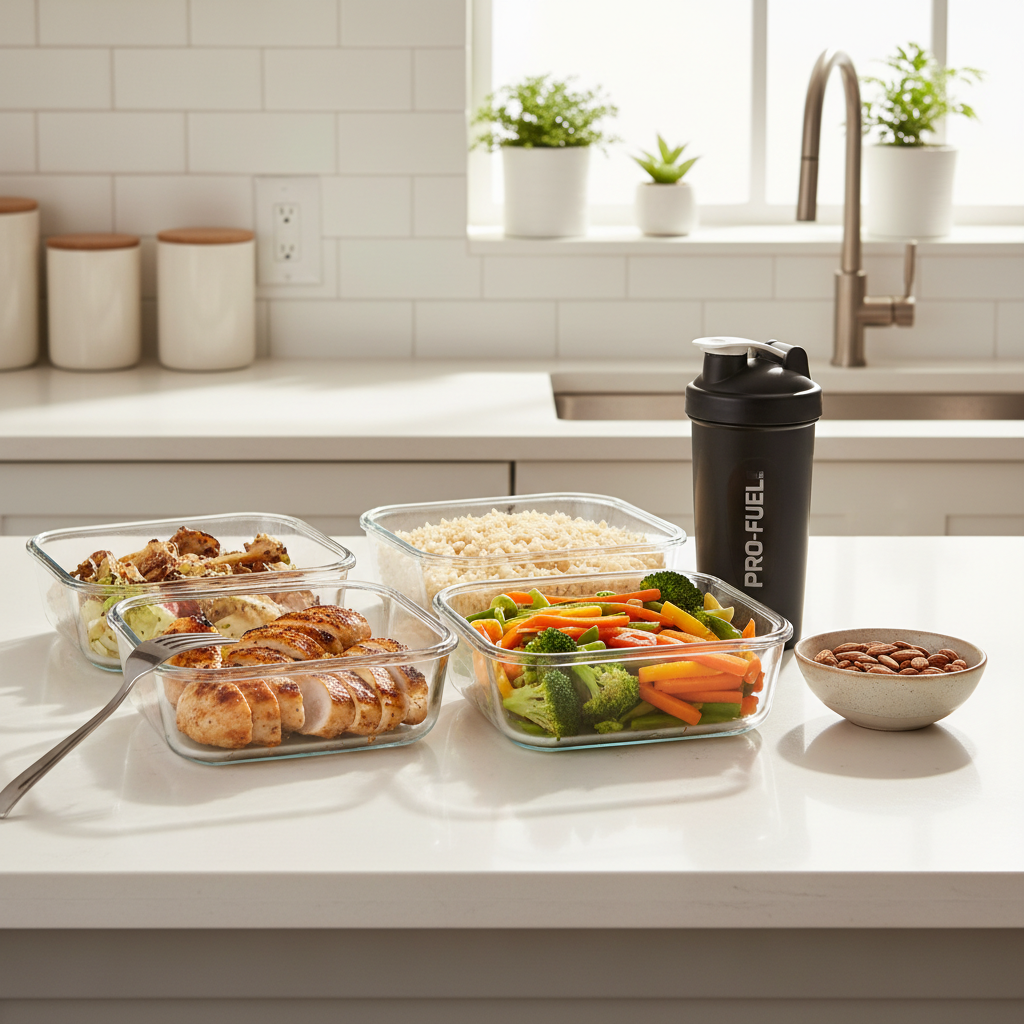
- Anchor each meal with a protein source: eggs, Greek yogurt, chicken, fish, lean beef, tofu, tempeh, beans plus grains.
- Use protein powder if it helps consistency, not as a requirement.
Calories: small surplus beats random overeating
If the scale never moves, growth often slows. A modest surplus is usually easier to sustain, and can limit unnecessary fat gain.
- Track body weight 3–4 mornings per week, then look at the weekly average.
- If the average stays flat for 2–3 weeks, add a small snack or increase portions.
Carbs and hydration: the “training feels good” layer
Carbs support training performance for many people, especially higher-volume routines. Hydration and sodium intake also influence pumps and session quality, though exact needs differ.
Recovery and safety: the part people skip (then wonder why they stall)
If you train hard at home and life stress is high, recovery becomes the limiter. You don’t need a perfect routine, you need a stable one.
- Sleep: many people perform better with 7–9 hours, but real life varies. If sleep drops, reduce volume before you reduce intensity.
- Warm-ups: do a few lighter sets of the first big movement, and treat the first set as a form check.
- Pain vs effort: muscular burn is normal, sharp joint pain is a stop sign. When in doubt, change the exercise and consider a clinician’s advice.
- Deloads: every 6–10 weeks, a lighter week can help if motivation and performance dip.
According to the Centers for Disease Control and Prevention (CDC), adults benefit from muscle-strengthening activity at least two days per week, and choosing appropriate intensity and safe form matters.
Key takeaways (save this and use it)
- Train close to failure most of the time, but keep form honest.
- Repeat a plan long enough to progress, usually 6–8 weeks.
- Progress at home with reps, tempo, range of motion, and unilateral work.
- Protein daily plus a small calorie surplus often speeds results.
- Sleep and stress can be the difference between “working out” and building muscle.
Conclusion: build momentum, not just workouts
The most reliable muscle building tips at home are the unsexy ones: keep a simple log, push sets close enough to failure, and eat like muscle growth is on your calendar. If you want one action today, pick a 4-day schedule and commit to repeating it for six weeks, then adjust based on performance and recovery.
If you have medical conditions, recent injuries, or unexplained pain, it’s smart to check with a qualified healthcare professional or certified trainer before pushing intensity.
Your next step: write down your exercises, sets, and rep targets for the next two weeks, and plan one protein-forward grocery run that makes consistency easier.
FAQ
- What are the best muscle building tips if I only have light dumbbells?
Use unilateral moves, slower tempo, pauses, and higher reps close to failure, then add sets gradually for the muscles that recover well. - Can I build muscle with push-ups and bodyweight only?
Yes for many people, especially beginners, but you need progression: elevate feet, add a backpack, use slower reps, and take sets near failure. - How long does it take to see muscle gain at home?
Timelines vary. Many notice strength and “fullness” in a few weeks, while visible size changes often take longer and depend on nutrition, sleep, and starting point. - Do I need to work out every day to build muscle faster?
Usually no. More days can help volume, but only if recovery stays solid. A consistent 3–5 day plan often beats daily workouts you cannot sustain. - How much protein do I need to gain muscle?
Many active adults do well with a higher-protein range, commonly cited around 1.6–2.2 g/kg/day, but needs vary and some conditions warrant medical guidance. - Why am I getting stronger but not looking more muscular?
It can be improved skill, not size, or body fat masking changes. Check weekly weight trend, protein consistency, and whether you’re progressing reps/sets over time. - Is soreness required for muscle growth?
No. Some soreness happens, especially with new exercises or more volume, but steady progress and good effort are better indicators than chasing DOMS.
If you’re already training at home but progress feels slow, a simple upgrade is a written program plus a lightweight tracking system, so each week you know exactly what to beat. If you want, share what equipment you have and your current routine, and I can suggest a tighter setup that fits your schedule.