
Weight lifting gloves can be a real game-changer if your grip fails before your back or legs do, or if rough knurling leaves your palms feeling shredded after heavy sessions.
The tricky part is that “best” depends on what you lift, how you lift, and what bothers you most: blisters, wrist fatigue, sweaty hands, bar control, or just wanting to keep calluses in check without losing feel.
This guide breaks down what actually matters when buying gym gloves for lifting, how to match glove style to your training, and how to avoid the common “felt great in the cart, awful on the bar” mistake.
What makes a great lifting glove (and what’s just marketing)
A good glove does two things at once: protects skin and keeps you connected to the bar. When brands overdo padding or use slick materials, you get the opposite, less control, more slipping, and a weird “floating” grip that can make heavy sets feel less stable.
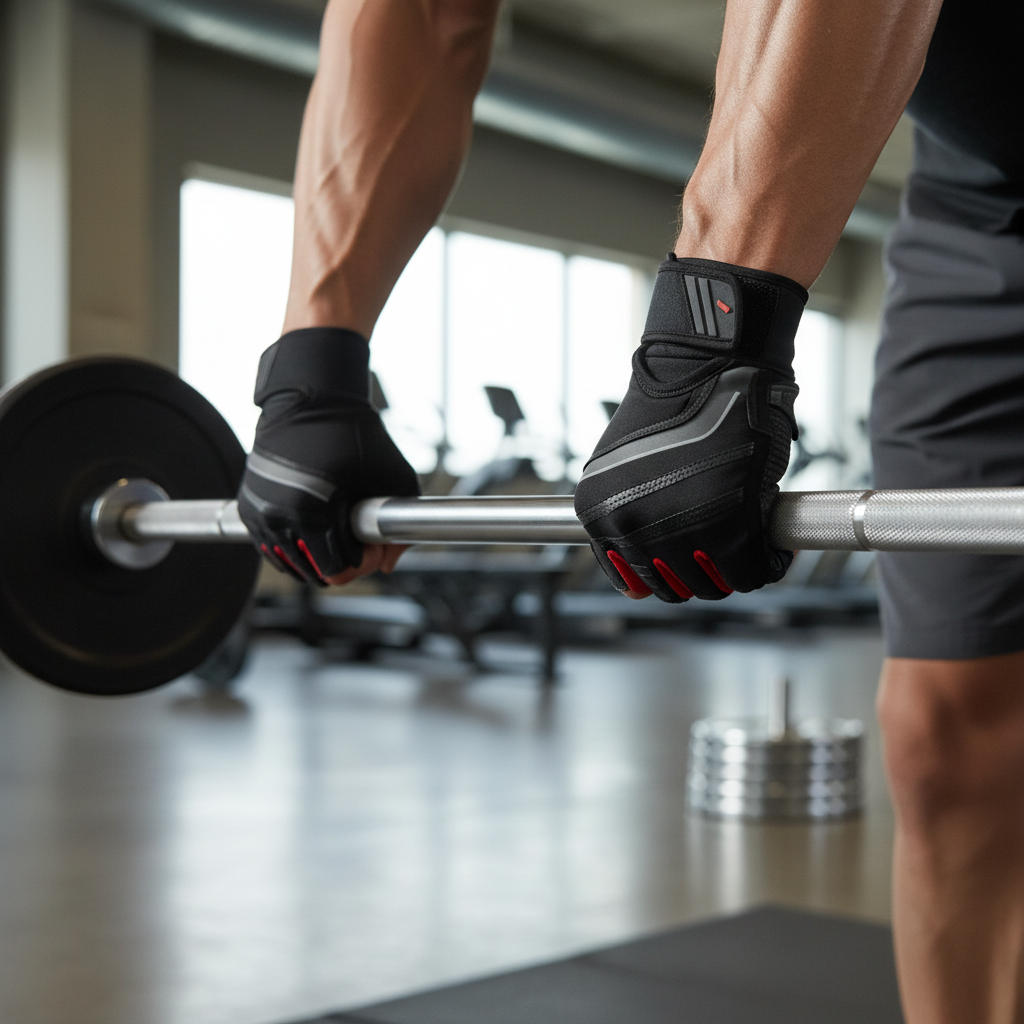
Here’s what tends to matter most in real training.
- Grip material: Look for grippy synthetic leather, textured silicone, or tacky palm prints. Avoid palms that feel smooth like fashion leather.
- Right amount of padding: Enough to reduce hot spots, not so much you can’t “feel” the bar. For many people, moderate palm padding beats thick gel blocks.
- Ventilation: If your hands run sweaty, breathable backs and perforated palms reduce slipping and odor over time.
- Stitching quality: Stress points usually fail at the base of fingers and along the thumb. Reinforced seams matter more than fancy logos.
- Closure and fit: A secure wrist closure helps keep the glove from twisting under load. But it’s not the same as real wrist wraps.
Key point: if a glove makes you feel less confident on a barbell, it’s not “protective”, it’s just getting in the way.
Pick the right type of glove for your training
Most “gym gloves” fall into a few categories. Matching the style to your lifts is usually the fastest way to get a pair you’ll actually keep using.
| Glove type | Best for | Trade-offs |
|---|---|---|
| Full-finger | Cold garages, outdoor training, lots of pulling volume | Less ventilation, can feel bulky on barbells |
| Fingerless (classic lifting) | Most gym lifting, machines + dumbbells + moderate barbell work | Less protection on fingers, still can trap heat |
| Minimal/“grip” gloves | People who hate thick padding, want more bar feel | Less blister protection if you shear hands a lot |
| Gloves with wrist strap | Light wrist support, comfort on presses | Not a substitute for stiff wraps when you truly need them |
If you mainly deadlift heavy, you may still prefer chalk or straps, depending on goals. Gloves can help comfort, but they’re not always the cleanest solution for pure max pulling.
Self-check: do you actually need weight lifting gloves?
A lot of lifters buy gloves for the wrong reason, then blame the glove. Quick self-check:
- You probably benefit if you get painful hot spots on rows/pull-downs, tear skin often, or your hands sweat enough to compromise grip.
- You may not need them if you’re okay with calluses, your grip feels solid, and your main issue is technique or programming.
- Consider alternatives if your goal is maximum grip strength: chalk, straps (for accessories), or simply managing calluses with a pumice/razor routine.
According to CDC, hand hygiene matters for reducing germ spread; in shared gyms, gloves can reduce direct contact with handles, but they can also trap sweat. Practically, cleaning your gear and washing hands still does most of the work.
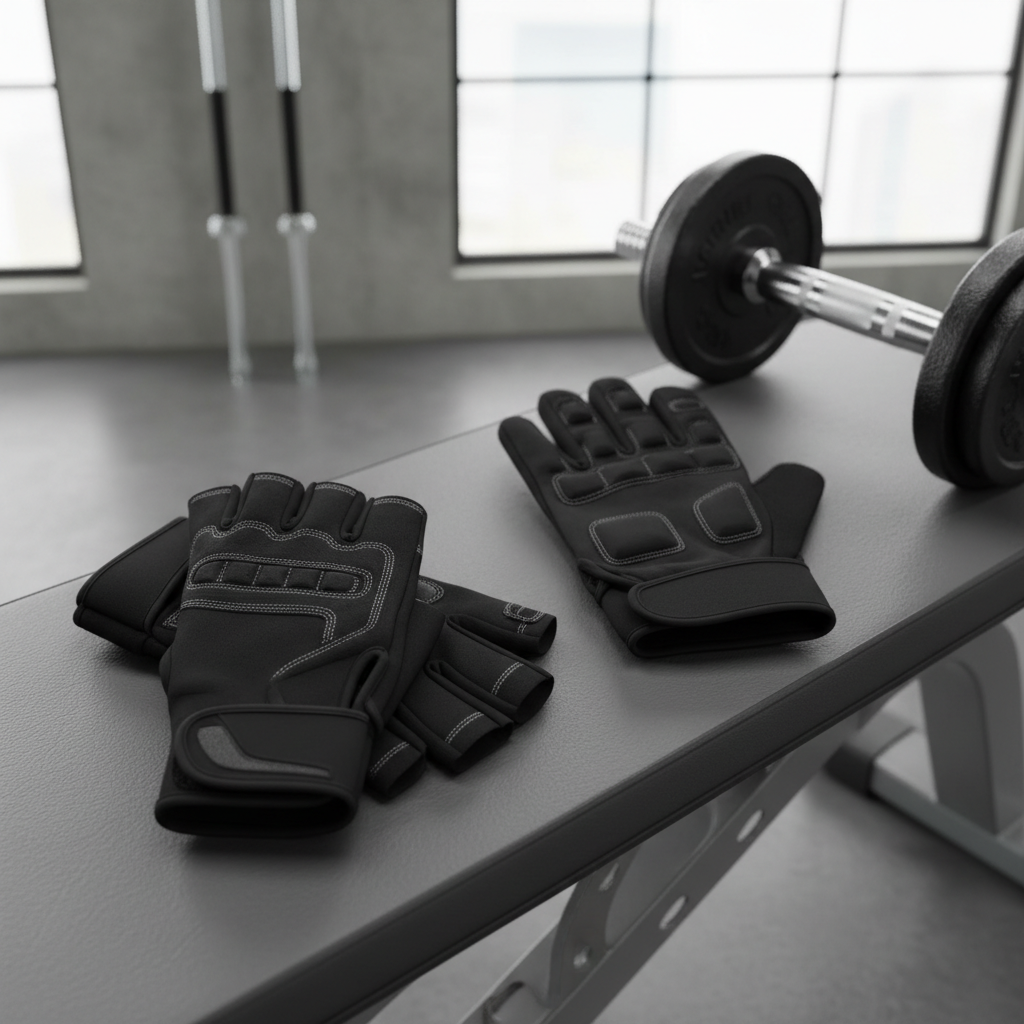
One more honest check: if you’re buying gloves purely because you “don’t want calluses,” that’s valid, but be realistic. You can reduce them, but hard training usually brings some skin adaptation.
How to choose the best gym gloves for weight lifting
When people return gloves, it’s rarely because the brand is “bad.” It’s usually sizing, palm design, or using the wrong glove for the wrong lift.
1) Nail sizing (this is where most people miss)
Most brands size by palm circumference. Measure around the widest part of your palm (excluding thumb), then match their chart. If you’re between sizes, go smaller if you want bar feel, larger if you want comfort and less finger binding.
- Too tight: numb fingertips, seams dig in, hand pumps feel worse.
- Too loose: palm bunching, twisting, and “slip” on knurling.
2) Decide on padding based on your main lifts
- Rows, pull-downs, kettlebells: moderate padding helps reduce friction hot spots.
- Barbell complexes, CrossFit-style sessions: minimal padding often feels better and dries faster.
- Heavy barbell work: prioritize a tacky palm and stable fit over thick cushioning.
3) Look for “grip first” materials
Palms with textured prints or suede-like synthetic leather tend to do well. If a palm feels slick in your hands at home, it won’t magically get grippy under sweat in the gym.
4) Think about wrist support realistically
A glove strap can add comfort and remind you to stay stacked, but it usually won’t give the rigid support that dedicated wrist wraps provide. If pressing bothers your wrists, it may be worth testing wraps (and checking technique) rather than chasing stiffer glove straps.
Practical setup: how to use gloves without losing grip strength
Yes, some lifters worry gloves “weaken grip.” In many cases, it’s not the glove, it’s how people rely on it.
- Use gloves for volume, not every top set: keep some bare-hand work for grip adaptation, especially on warm-ups.
- Pair with chalk when allowed: if your gym permits it, chalk + a grippy glove can reduce slipping, but test it carefully because some combos feel too slick.
- Keep gloves dry: rotate pairs or air-dry after training. Wet gloves become smooth and can irritate skin.
- Don’t “death grip” because padding feels comfy: keep your usual cueing; over-squeezing can fatigue forearms early.
If you train for sport performance (powerlifting, Olympic lifting), you may want gloves mainly for accessories, and keep competition-style bar contact bare-handed.
Common mistakes (and quick fixes)
These show up constantly, even among experienced lifters who “know better.”
- Mistake: buying thick gel padding for deadlifts because it “sounds protective.” Fix: choose a thinner palm with tack, or skip gloves and manage calluses.
- Mistake: ignoring seam placement near the thumb. Fix: flex your hand and mimic gripping; any pinching now becomes worse under load.
- Mistake: wearing gloves that are already stretched out. Fix: replace when the palm starts sliding, it’s a safety issue, not just comfort.
- Mistake: thinking gloves replace technique. Fix: adjust bar position, grip width, and callus care; gloves should be the helper, not the plan.
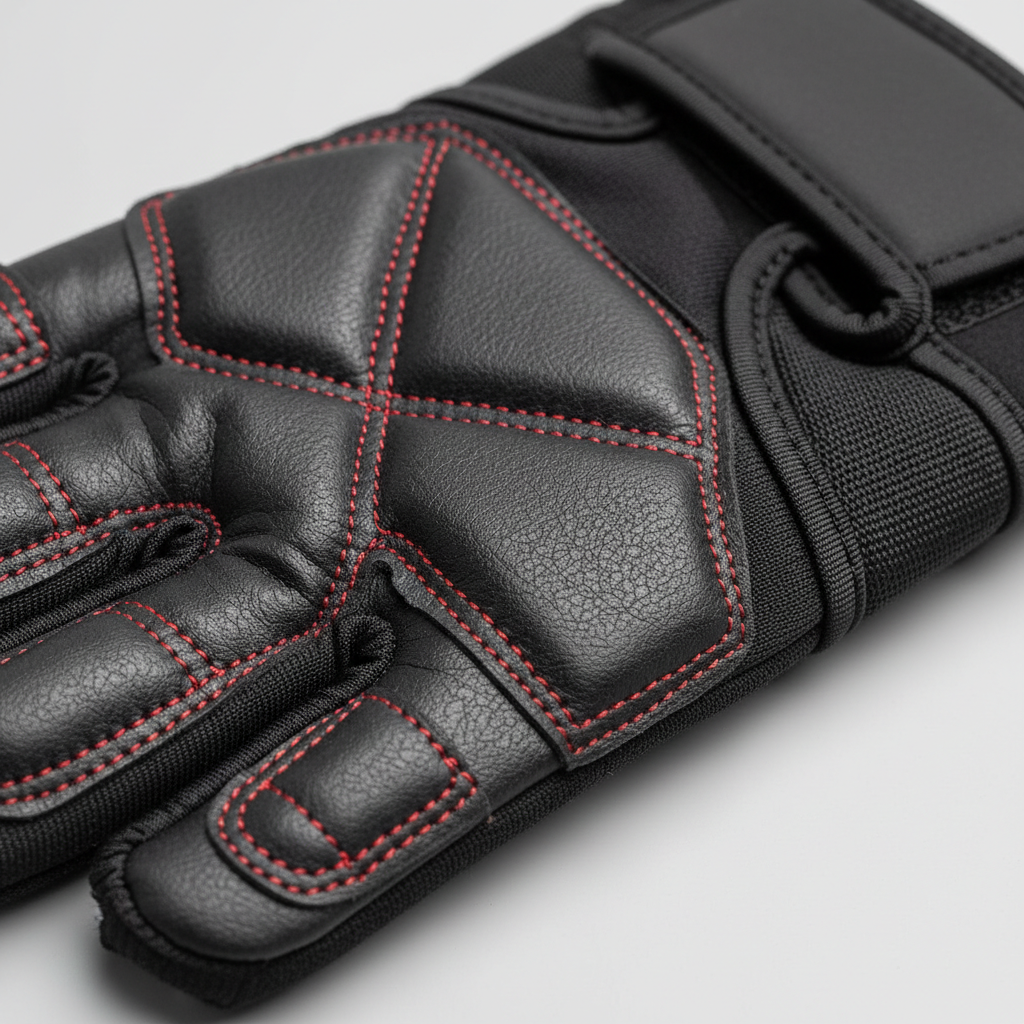
According to NSCA, safe resistance training relies on good technique and appropriate equipment selection; if gloves change how you hold the bar in a way that feels less controlled, treat that as a red flag and adjust your setup.
When to get help (or rethink your approach)
If hand pain keeps returning even with decent gloves, it might not be a glove problem. Consider asking a qualified coach to check grip position, bar path, and handle choices on machines.
- Persistent numbness or tingling in fingers can signal nerve irritation. It’s worth discussing with a healthcare professional.
- Sharp wrist pain during pressing may relate to wrist extension, load selection, or previous injury. A clinician or sports PT can help you sort it out.
- Skin tears that won’t calm down often come from callus buildup plus high friction. Managing calluses can matter as much as glove choice.
Conclusion: the “best” gloves are the ones you trust on the bar
The best gym gloves for lifting usually come down to three things: secure fit, grippy palms, and padding that matches your training. If you start there, you avoid most of the regret buys.
If you want a simple next step, measure your hand, pick a fingerless style with a tacky palm for general lifting, then test them on your main pulling movement for a week. If the bar feels less stable, swap styles, not just brands.
FAQ
Are weight lifting gloves good for beginners?
Often, yes, especially if blisters or sweaty hands discourage you from training consistently. Just avoid overly thick padding so you still learn what a solid grip feels like.
Do gloves reduce calluses or just move them around?
They can reduce friction in specific spots, but calluses can still form where pressure concentrates. Many lifters get the best results combining gloves with basic callus maintenance.
Should I wear gloves for deadlifts?
Sometimes, but it depends on your goal. For max strength and grip development, many people prefer bare hands and chalk. Gloves may help comfort, but they can also reduce bar feel.
What’s better: gloves or lifting straps?
They solve different problems. Gloves protect skin and can improve comfort; straps mainly reduce grip limitation on pulling movements. A lot of lifters use gloves for general work and straps for high-rep accessories.
How tight should lifting gloves fit?
Snug without cutting off circulation. If you see major palm bunching when you grip a bar, they’re likely too big; if your fingertips go numb, they’re likely too small.
How do I clean gym gloves?
Follow the brand label when possible. Many can be hand-washed with mild soap and air-dried. Avoid leaving them in a closed gym bag, trapped moisture tends to create odor fast.
Do gloves help with wrist pain?
A glove strap might add a little support, but it’s not a medical solution. If pain persists, consider technique changes, load adjustments, or asking a qualified professional for an evaluation.
If you’re trying to pick weight lifting gloves without wasting money on a pair that twists, slips, or feels like oven mitts, it can help to list your top two lifts and your top one complaint, then shop specifically for that use case rather than “all-purpose” promises.