
Fitness Coach selection gets easier when you stop chasing “the best” and start looking for the right fit for your goals, schedule, body, and budget.
A lot of people hire a coach because motivation feels low, progress feels stuck, or they’re worried about getting hurt doing the wrong thing. Those are good reasons. The tricky part is that coaching quality varies a lot, and great marketing doesn’t always equal great coaching.
This guide walks you through what actually matters: credentials and red flags, how to match coaching style to your personality, what to ask on a consult call, and a simple way to compare options side by side. You’ll leave with a practical plan, not a vague “trust your gut.”
Start with clarity: goals, constraints, and what “success” looks like
Before you compare coaches, get specific about what you’re hiring for, because different trainers shine in different lanes. A coach who’s amazing for strength gains might be a poor fit for postpartum return-to-training, and vice versa.
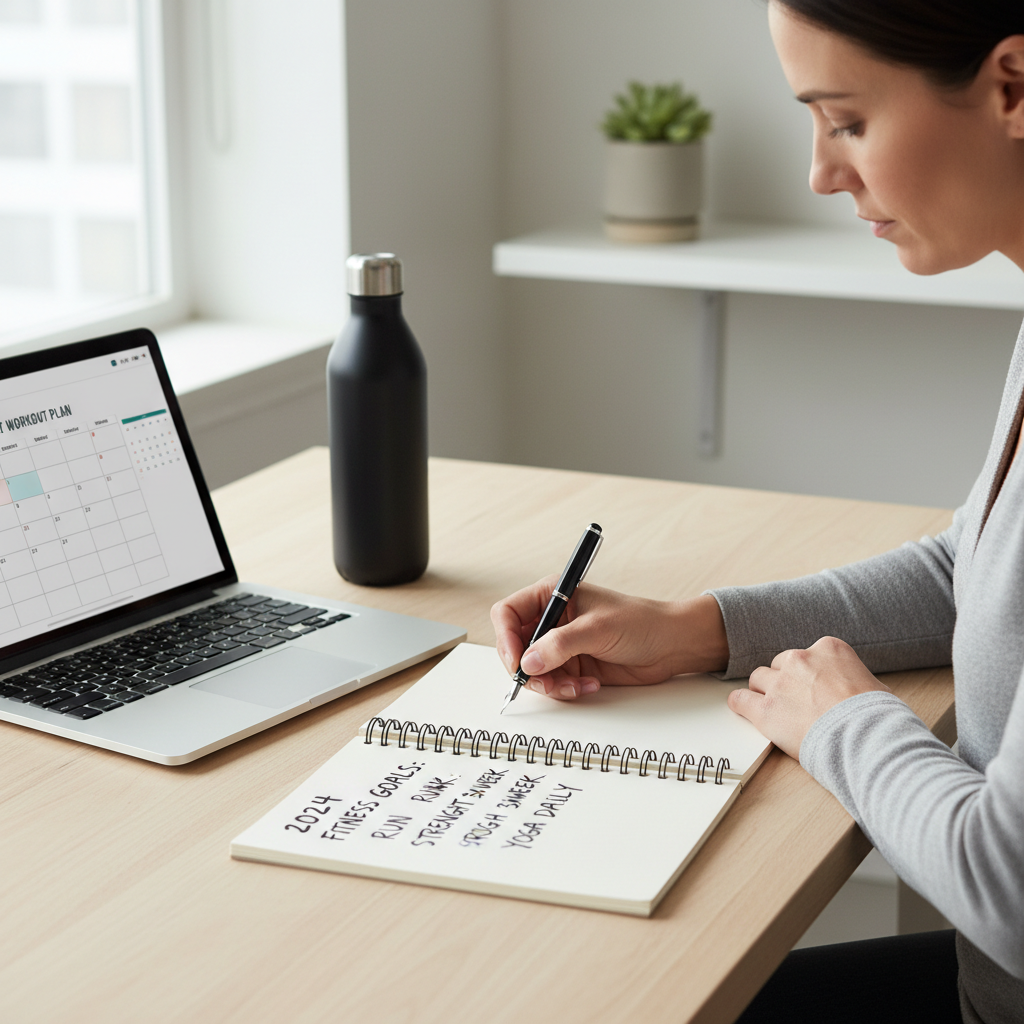
Try writing down:
- Primary goal: fat loss, strength, muscle gain, athletic performance, pain reduction, habit building
- Timeline: a realistic window (8–12 weeks is common for building consistency)
- Constraints: time per week, equipment, travel, sleep, stress, prior injuries
- Non-negotiables: coaching tone, communication frequency, in-person vs online
Also decide what you’ll measure. Scale weight works for some goals, but progress photos, strength numbers, waist measurement, energy, and adherence often tell a more honest story.
Credentials matter, but only in context
Certifications don’t guarantee coaching skill, but they do signal baseline education and professionalism. In the U.S., you’ll commonly see NASM, ACE, ISSA, NSCA, or ACSM.
According to NSCA..., reputable certification bodies emphasize safety, program design, and ethics—useful foundations when someone will guide your training decisions.
What to look for:
- Current certification (ask if it’s active and how they keep it current)
- CPR/AED for in-person coaching
- Relevant specialty education (pre/postnatal, strength & conditioning, corrective exercise, working with older adults)
What matters just as much is whether the coach can explain your program clearly, scale it to your level, and adjust when life happens.
Match the coach to your situation (not their highlight reel)
Many people pick a coach based on aesthetics or a social feed. That can work, but it’s not the safest filter. A better approach is “match the environment and problem.”
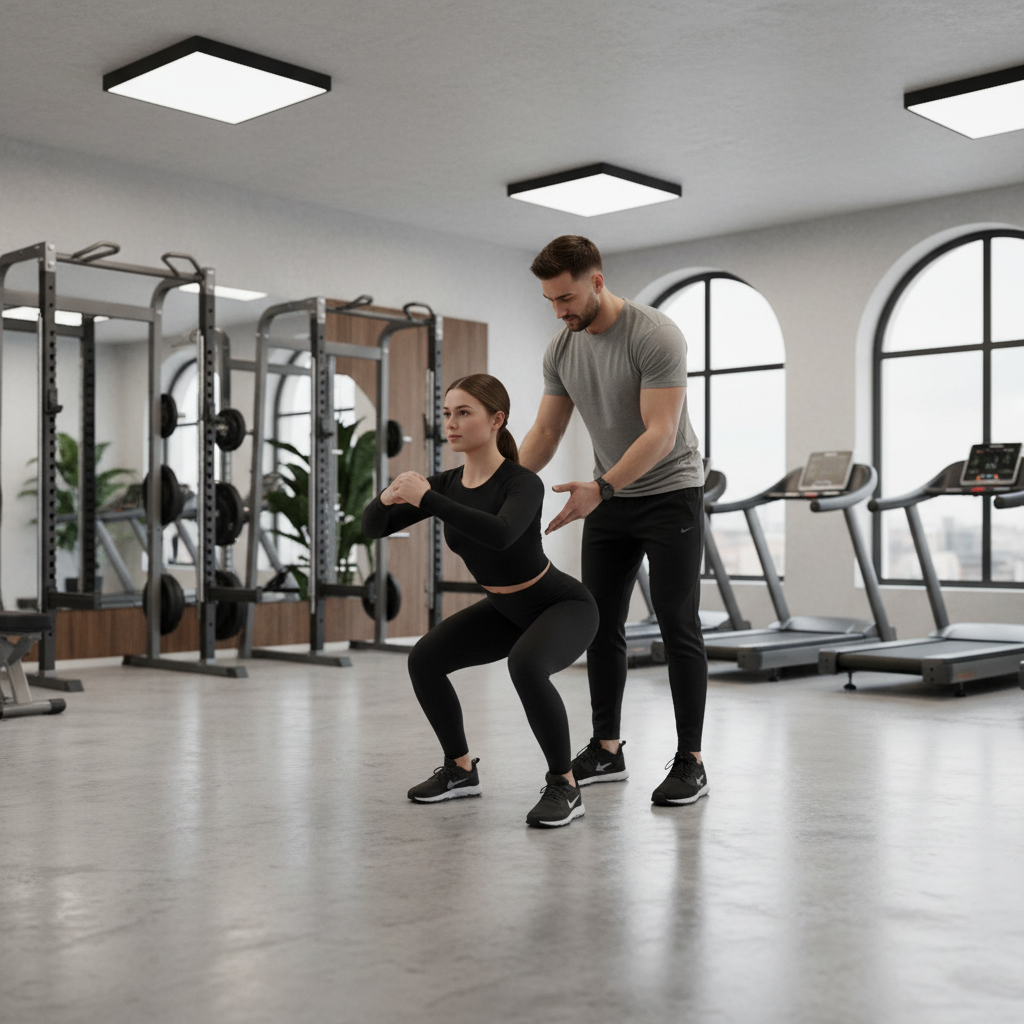
Common coaching “lanes” (and who they fit)
- General fitness & habit building: beginners, busy professionals, people returning after a break
- Strength-focused: learning barbell basics, building measurable lifts, structured progression
- Body composition: training plus nutrition coaching (check scope and qualifications)
- Performance: runners, field sports, tactical athletes, higher training volume management
- Special populations: older adults, postpartum, chronic conditions, pain-sensitive training
If you have a medical condition, current pain, or you’re post-surgery, it’s reasonable to look for someone who regularly collaborates with PTs or who has experience in that lane. It’s also smart to consult a qualified healthcare professional when unsure.
Use a quick self-check to narrow your options
This is the fast way to sort “maybe” from “worth a call.” If several answers land on the left side, you’ll usually do better with higher support and more structure.
- You might want in-person coaching if you struggle with form, feel anxious in the gym, or you need real-time cueing.
- Online coaching may work if you’re consistent, you can film lifts, and you mainly need programming and accountability.
- Higher-touch coaching fits if you’ve quit plans before, your schedule shifts weekly, or you want nutrition guidance.
- Lower-touch programming fits if you’re experienced and mostly want a smart plan and monthly check-ins.
Be honest about adherence. A “perfect” plan that you won’t follow is expensive paper.
Questions to ask on a consult call (and what good answers sound like)
A consult is where a real coach stands out. You should feel listened to, not sold to. If they rush your history or skip questions, that’s information.
Ask these, then listen for specifics
- “How would you build my plan for the first 4 weeks?” Good answers mention assessment, baseline volume, and progression based on recovery.
- “How do you coach technique?” Look for cueing strategy, video review, regressions, and clear safety boundaries.
- “How do you handle missed workouts?” You want flexible adjustments, not guilt or punishment.
- “What results are realistic for my timeline?” Reasonable ranges and behavior goals beat dramatic promises.
- “What’s included in your price?” Programming, check-ins, messaging, nutrition, form review, app access, and response time.
According to ACSM..., safe training typically follows progressive overload with appropriate recovery; a coach who talks only about “no days off” is often showing you their content strategy, not their coaching strategy.
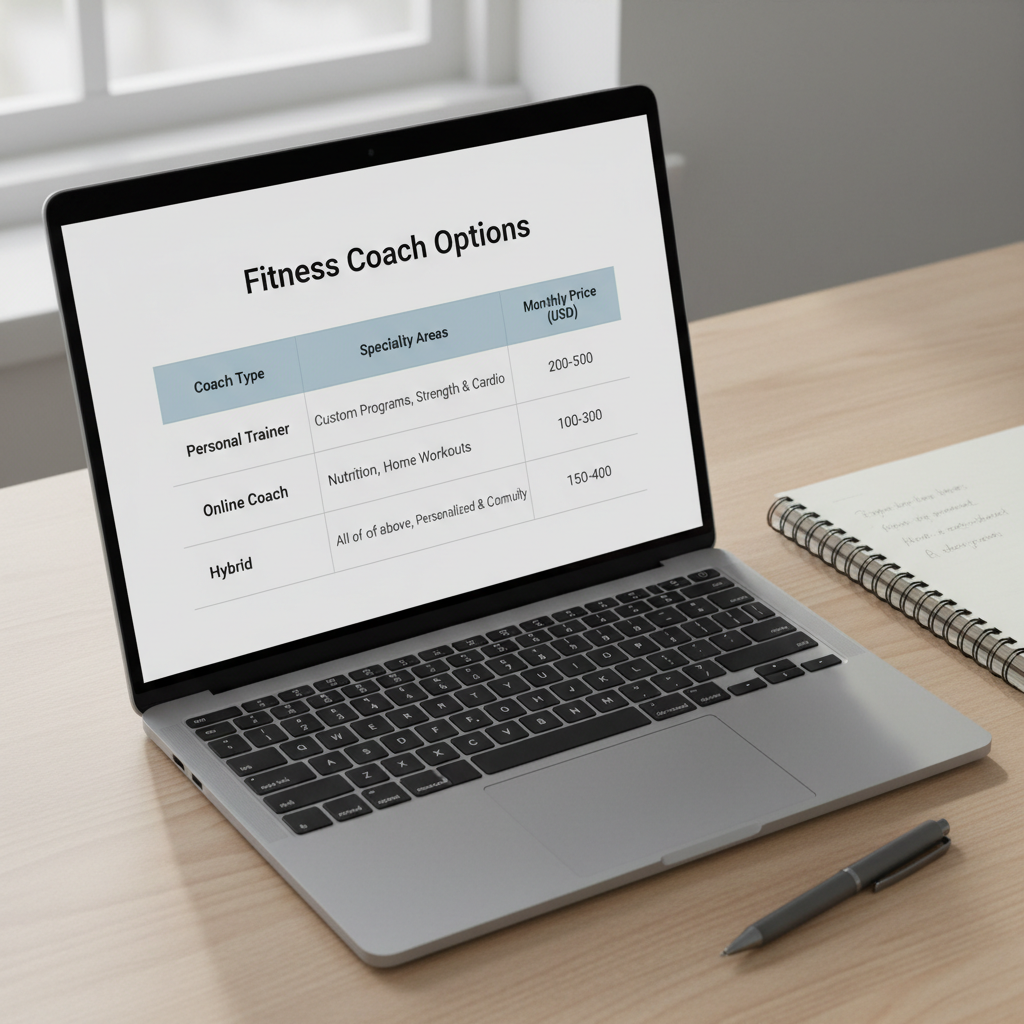
Compare coaches side by side (simple table you can reuse)
When options blur together, a quick scorecard helps. You’re not trying to turn this into a spreadsheet hobby, just making the decision less emotional.
| Criteria | Coach A | Coach B | Coach C |
|---|---|---|---|
| Relevant experience (your goal) | |||
| Credentials + continuing education | |||
| Coaching style (supportive vs strict) | |||
| Communication (check-ins, response time) | |||
| Plan customization + adjustments | |||
| Safety process (screening, technique) | |||
| Price transparency + what’s included |
Key point: if two coaches feel similar, choose the one who communicates clearly and has a process for adjusting training, because that’s what you’ll need when stress, travel, or minor aches show up.
Red flags that usually cost you time or health
Some warning signs are subtle. Others are loud. If you notice one, ask about it directly; if you notice several, keep shopping.
- Guarantees about exact weight loss or body changes, especially on short timelines
- One-size-fits-all plans with no intake, no injury history, no progression logic
- Shaming language or pressure tactics around food and workouts
- Nutrition “prescriptions” that feel medical (if they’re not qualified), or extreme restriction without context
- Pain dismissed as “weakness” instead of being assessed and modified
Good coaching still challenges you, but it usually feels structured and safe, not chaotic or punitive.
Practical next steps: hire with a 2–4 week trial mindset
You don’t need a lifetime commitment to learn if it’s working. A short trial period often gives enough signal, especially if you define what you’re evaluating.
How to run a smart trial
- Set expectations in writing: check-in day, response window, what counts as “urgent”
- Track 3 metrics: adherence, performance (reps/weight), and recovery (sleep, soreness, stress)
- Give feedback early: if workouts feel too long, too hard, or confusing, say so in week one
- Review at week 2–4: did the coach adjust based on your data and life constraints?
Many people judge a Fitness Coach by soreness or sweat. That’s understandable, but the better judge is whether you’re training consistently, progressing appropriately, and staying mostly injury-free.
Conclusion: pick the coach you can work with on your worst week
A strong choice is the coach who has a clear process, communicates like a professional, and adapts your plan without drama. If you want one simple move today, schedule two consult calls and use the same questions for both, then compare answers in the table above.
If you’re between two options, lean toward the Fitness Coach who asks better questions and sets more realistic expectations, because that usually translates into better outcomes over months, not just days.
FAQ
How much should I pay for a Fitness Coach in the U.S.?
It varies by city, format, and support level. In-person sessions typically cost more than online programming, and high-touch coaching with frequent check-ins costs more than a basic plan. Focus on what’s included and how customized it is.
Is online coaching as effective as in-person training?
For many goals, online coaching can work well if you follow the plan, communicate honestly, and share videos for form feedback. If you’re new, nervous about equipment, or dealing with pain, in-person support might be a smoother start.
What credentials should a coach have?
Look for a recognized certification (NASM, ACE, NSCA, ACSM are common) plus continuing education that matches your goal. For in-person work, CPR/AED is a practical safety layer.
How do I know if my coach is pushing too hard?
Occasional hard sessions are normal, but persistent joint pain, worsening sleep, constant exhaustion, or anxiety about workouts are signals to adjust. A good coach takes those signals seriously and modifies training; if symptoms persist, consult a healthcare professional.
Should my coach give me a meal plan?
Many coaches offer nutrition guidance, but exact meal plans can fall into regulated territory depending on credentials and state rules. It’s reasonable to ask what they provide, what qualifications they have, and whether they refer out when needed.
What if I have an old injury?
Bring it up early and ask how they’ll modify exercises and track symptoms. Coaches often can work around common issues, but diagnosis and rehab planning may require a physical therapist or physician, especially for sharp or worsening pain.
How long before I see results with a coach?
Many people notice consistency and energy improvements within a few weeks, while visible body changes often take longer and depend on sleep, nutrition, and adherence. The more realistic the plan, the more sustainable the progress tends to be.
If you’re trying to pick a coach and want a more straightforward process, ask potential coaches to outline their onboarding steps, how they adjust programming, and exactly how you’ll communicate week to week, it quickly separates “content creators” from actual coaching support.