
how to protect lips from sun cycling comes down to two things most riders underestimate, UV exposure on a thin, vulnerable surface and how fast wind and dehydration strip your lip barrier.
If your lips feel fine at the start but turn tight, flaky, or stingy by mile 20, that is a common pattern, sun plus airflow plus sweat makes protection wear off faster than you expect. Add altitude or reflective surfaces like water or pale pavement, and the risk climbs.
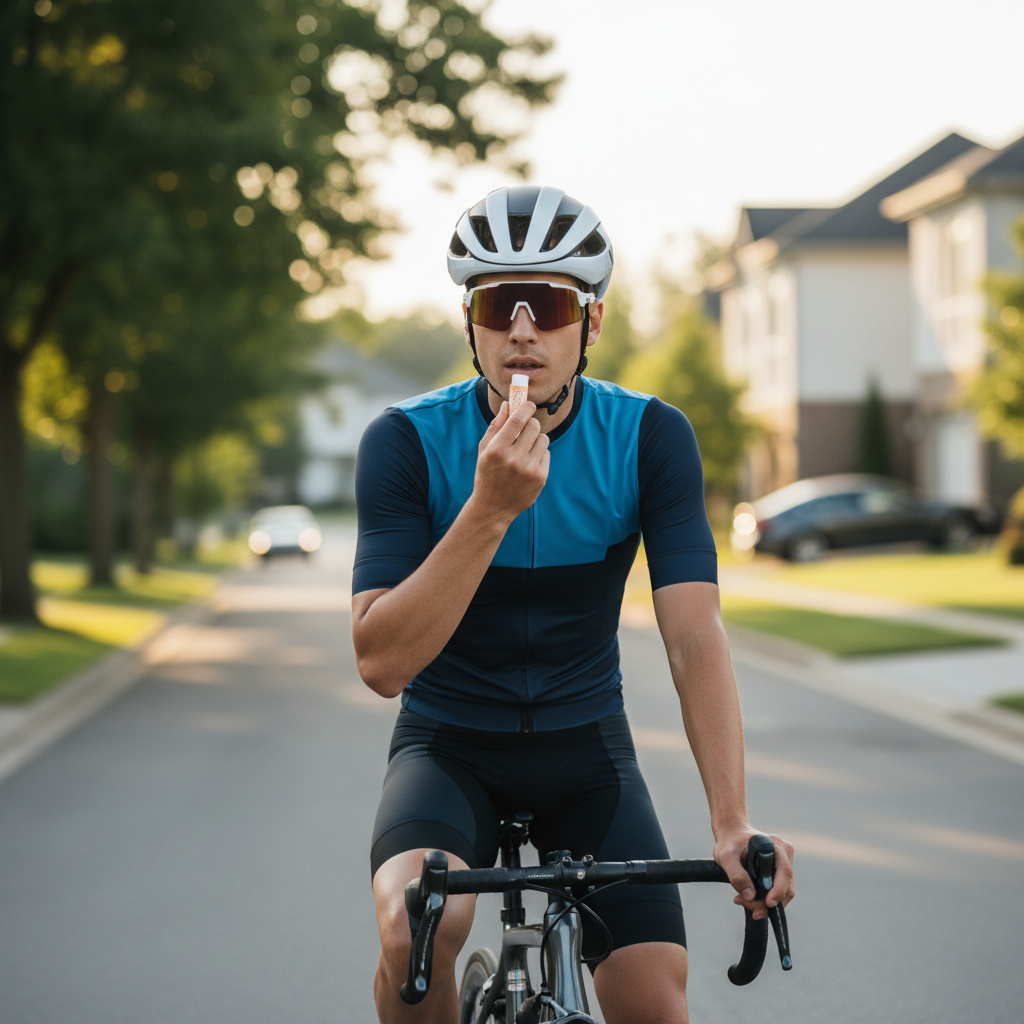
This guide stays practical, what actually causes lip sunburn on rides, how to choose a lip sunscreen that holds up, how often to reapply, and what to do if you already overdid it. No magic hacks, just a routine you can repeat.
Why lips burn faster on a bike (and why it surprises people)
Lip skin has less melanin and a thinner outer layer than most facial skin, so it tends to show damage sooner. On a bike, the environment adds extra friction, literally and figuratively.
- Wind shear dries the surface and rubs product off faster than walking or running.
- Sun angle hits the lower lip directly when your head tilts forward in a riding position.
- Sweat and drinking break down protection, especially if you lick lips or wipe your mouth.
- Altitude often means stronger UV intensity, even when the temperature feels mild.
- Reflection from water, sand, light concrete, or snow can bounce UV up toward your lips.
According to the American Academy of Dermatology (AAD), sun exposure can cause sunburn on the lips and increase the risk of actinic cheilitis, a chronic sun damage condition that typically affects the lower lip. That is why lip SPF is not just a comfort thing for cyclists.
Quick self-check: are your lips getting sun damage or just “dry”?
Dry lips and sunburned lips can overlap, but the “feel” and timing usually give it away. If you can sort this out, you stop wasting time on the wrong fix.
Signs it is likely sun-related
- Burning or stinging that starts during the ride or later the same day
- Redness on the border of the lower lip, sometimes with swelling
- Peeling that shows up 24 to 48 hours after a long sunny ride
- Repeated rough patch on the same spot, especially lower lip
Signs it is more “classic dryness”
- Tightness mainly in cold weather or very low humidity
- Cracking at corners (can also be irritation, saliva, or yeast, so do not guess forever)
- Improves quickly with bland occlusive products (petrolatum, ceramide balm)
If you keep getting a rough, persistent patch that does not heal, it is worth asking a dermatologist, especially if you ride outdoors year-round.
Choosing a lip SPF for cycling (what matters, what is marketing)
Most riders buy an SPF balm once, dislike the taste or texture, then quietly stop using it. For cycling, the “best” option is usually the one you will actually reapply.
According to the U.S. Food and Drug Administration (FDA), broad-spectrum sunscreen helps protect against UVA and UVB. For lips, you want that same broad coverage, plus a formula that stays put.
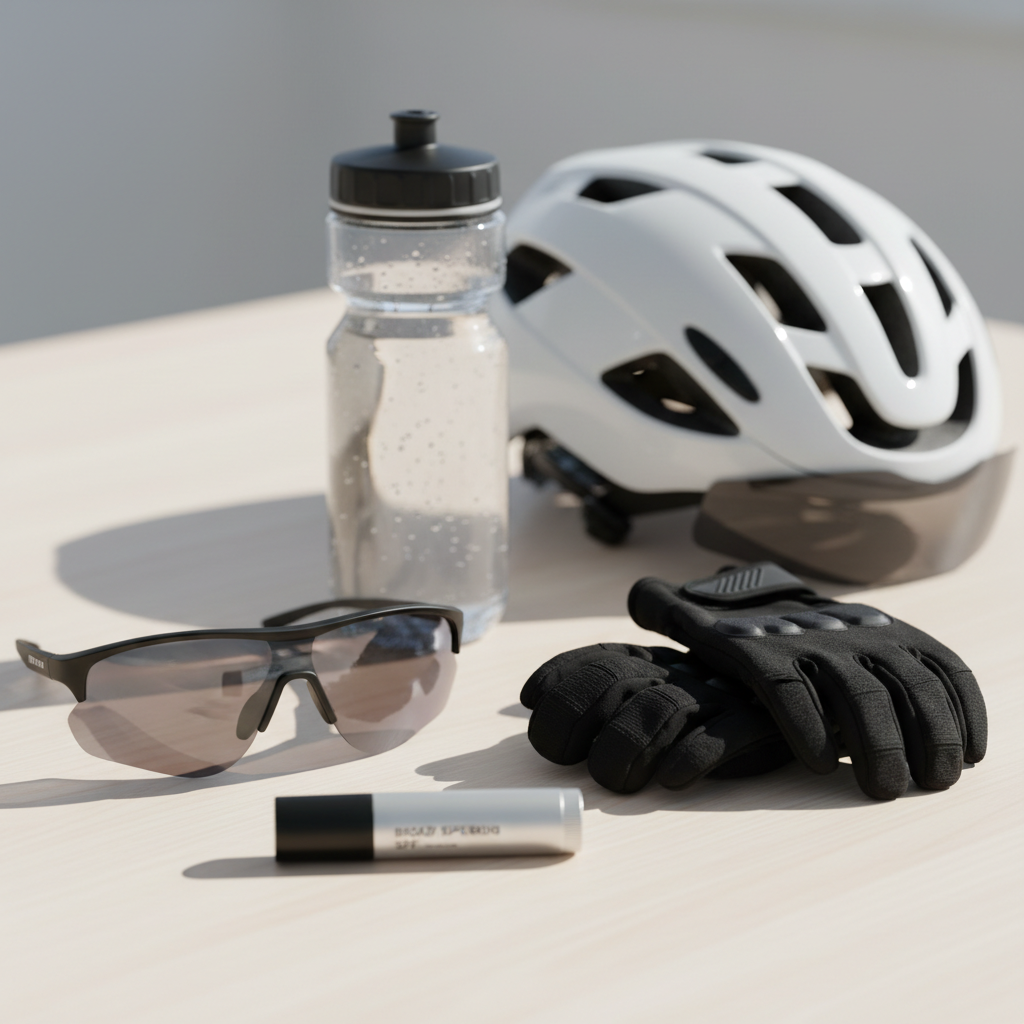
What to look for
- Broad-spectrum and at least SPF 30 for most sunny rides
- Water-resistant if you sweat heavily or ride in humid heat
- Comfort you can tolerate for hours, sticky can be fine, gritty usually is not
- No strong irritants if you are sensitive, menthol, camphor, heavy fragrance often backfire
Mineral vs chemical filters, in real life
- Mineral (zinc oxide, titanium dioxide): tends to be gentler for some people, can look whitish, sometimes feels thicker.
- Chemical (avobenzone, octinoxate, etc.): often clearer and slicker, but some riders feel stinging on already-chapped lips.
Either can work. If your lips react easily, mineral formulas are often a safer first trial, but personal tolerance matters more than ideology.
A simple ride-day routine that actually prevents lip burn
If you only remember one thing, remember this, application timing beats product perfection. Most lip SPF fails because it was applied once, then forgotten.
Before you roll out
- Apply a generous layer 15 minutes before you start, so it has time to set.
- If your lips are already dry, put a thin layer of bland balm first, then SPF on top.
- Pair with face sunscreen, a cap under the helmet, and sunglasses, lip care works better inside a whole “sun system.”
During the ride (the part people skip)
- Reapply every 60–90 minutes in strong sun, sooner if you drink frequently or wipe your mouth a lot.
- Put the balm where you will use it, top tube bag, jersey pocket, or saddle bag, not buried in a backpack.
- After a snack, wipe gently, then reapply, crumbs plus SPF feels gross and you will avoid doing it next time.
After the ride
- Clean off sweat and sunscreen residue, then use a bland barrier product.
- If you feel heat or tenderness, treat it like mild sunburn, cool compresses and gentle moisturization can help, if symptoms look severe, ask a clinician.
Reapplication cheats: a table you can follow mid-ride
People ask for an exact schedule, but it depends on sun intensity, your habits, and conditions. Use this as a starting point and adjust based on how your lips feel by the end.
| Ride conditions | What usually strips protection | Practical reapply cue |
|---|---|---|
| Sunny, mild temps, 1–2 hours | Talking, sipping, light wind | Once at the halfway point |
| Hot, sweaty, 2–4 hours | Sweat + frequent drinking | Every 60–90 minutes |
| High altitude or strong midday sun | Higher UV, faster burn | Every 60 minutes, do not wait for “dry” feeling |
| Coastal wind or fast group ride | High airflow, lip licking | After every bottle refill or snack stop |
| Overcast but bright | UVA still present | At least once every 90 minutes |
Common mistakes that keep burning your lips anyway
Most mistakes feel small in the moment, but they repeat every weekend, and that is when trouble starts.
- Using a non-SPF balm as “protection”, it can feel soothing but it does not block UV.
- Applying once at the car then riding three hours, saying the product “didn’t work.” Often it worked, then wore off.
- Relying on SPF in makeup, lipstick or tinted balm can be fine if it is broad-spectrum and you reapply enough, many people do not apply enough product for the labeled SPF.
- Choosing tingly formulas (peppermint, menthol) when you already have irritation, it can amplify the burn sensation.
- Licking lips to “fix dryness,” it evaporates fast and pulls more moisture away.
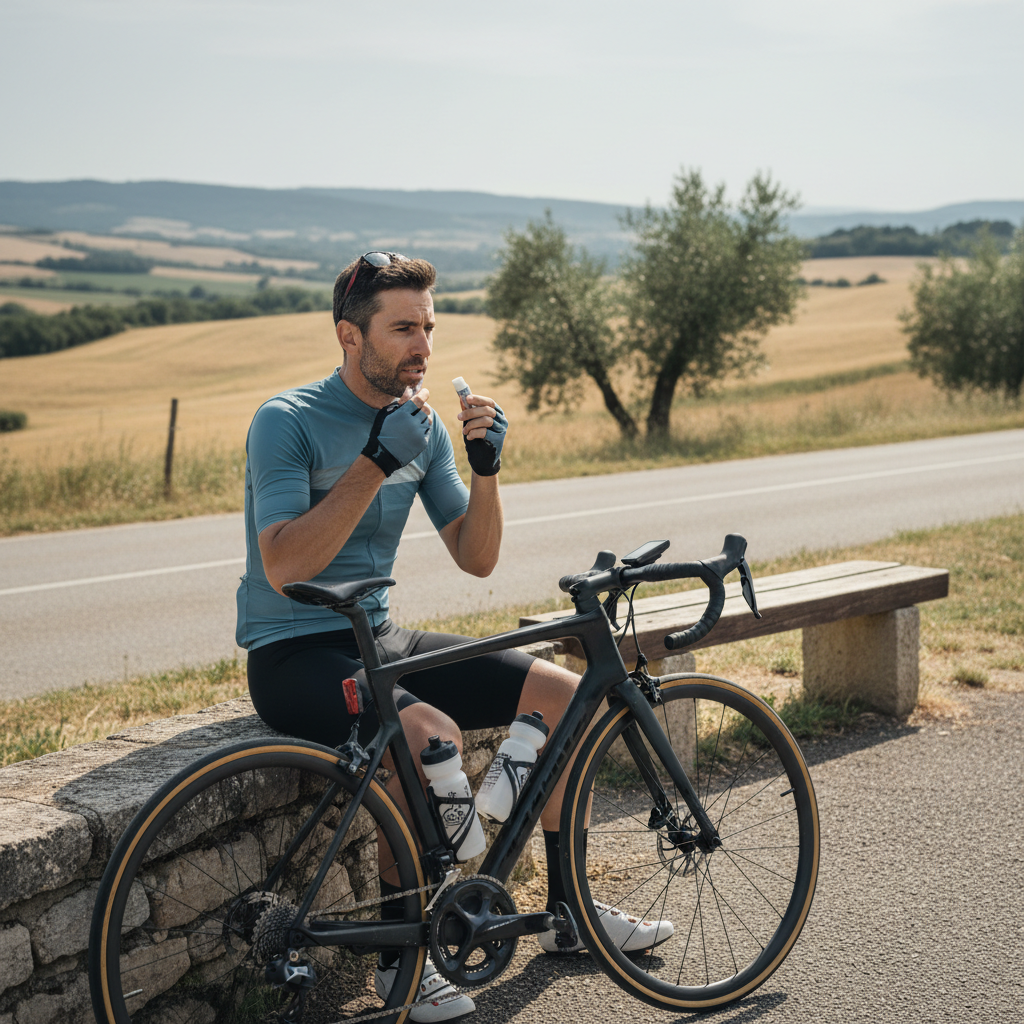
If your lips are already sunburned from cycling
If you missed protection and your lips hurt, keep it boring. This is where people over-treat and end up more inflamed.
- Cool compress for short periods can reduce discomfort.
- Bland occlusive (petrolatum-based) can reduce moisture loss.
- Avoid exfoliating scrubs, acids, strong flavors, and “plumping” products until calm.
- Hydrate and avoid very salty or spicy foods if they sting.
According to the American Academy of Dermatology (AAD), severe sunburn with significant blistering, swelling, fever, or dehydration symptoms may require medical attention. If you see blistering on the lips, feel systemic symptoms, or the area keeps recurring in the same spot, it is reasonable to consult a clinician.
Key takeaways (save this for your next ride)
- SPF lip balm is part of cycling sun safety, especially for the lower lip.
- Pick broad-spectrum SPF 30+, then win with timing and reapplication.
- Put balm where you can reach it, reapply after snacks and steady drinking.
- If irritation keeps coming back, do not keep experimenting forever, ask a dermatologist.
Protecting your lips is not complicated, but it does ask for consistency. Pick one lip SPF you tolerate, set a simple reapply cue, and treat any persistent rough spot as a signal to get a professional opinion rather than pushing through another season.
If you want an easy next step, build a tiny “sun kit” you never ride without, broad-spectrum lip SPF, face sunscreen, sunglasses, and a backup balm for after the ride, then keep it in the same bag so you stop forgetting.