
Best cycling headband sweat wicking is less about hype and more about two things you feel five minutes into a ride: sweat control and comfort under a helmet.
If you have stinging eyes, salty streaks on sunglasses, or helmet pads that get gross fast, a good headband is one of the cheapest upgrades that actually changes your ride. The right one moves moisture off your skin, spreads it out, and dries before it can drip.
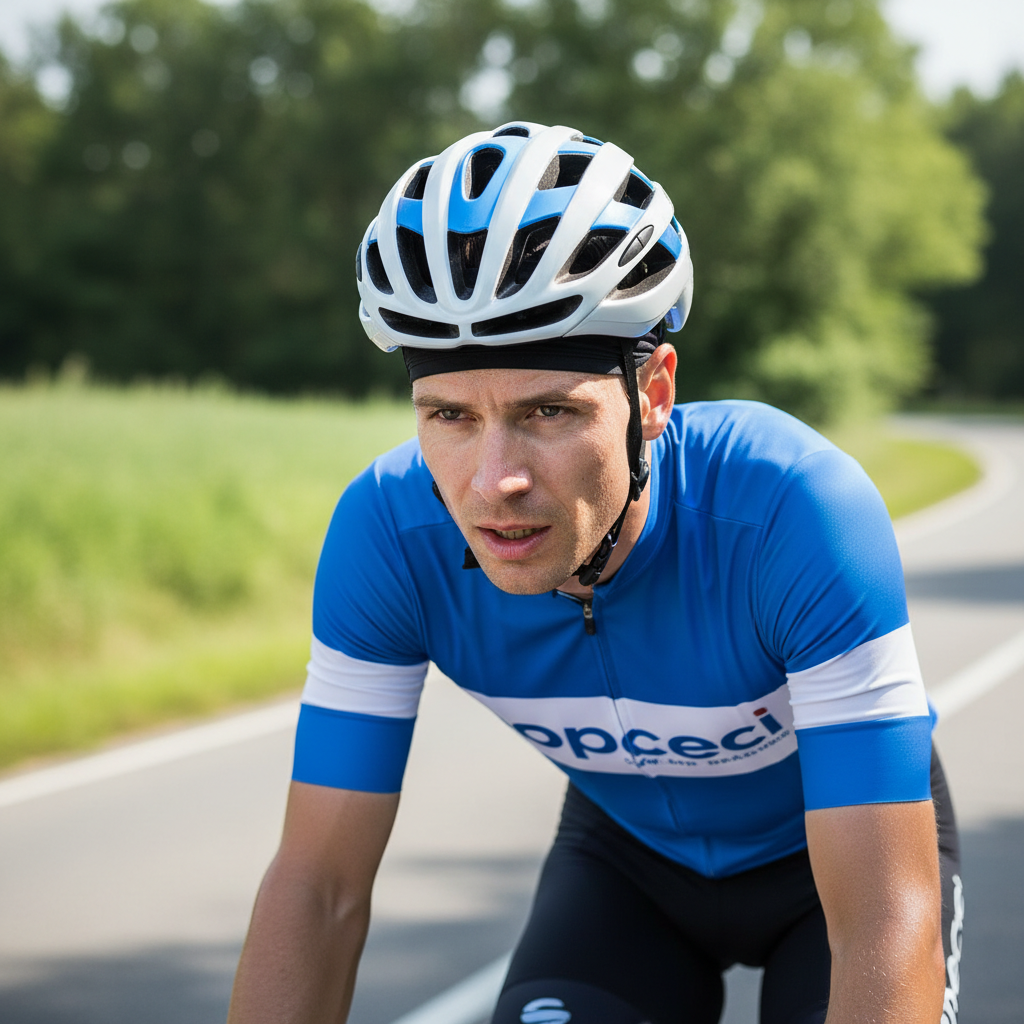
But real talk, a lot of “performance” headbands fail for predictable reasons: too thick under the helmet, too tight at the temples, or fabric that soaks up sweat and then stays wet. This guide helps you spot what matters, choose by riding style, and avoid the usual buying mistakes.
What “sweat wicking” actually means on a bike
Wicking is the fabric’s ability to pull moisture away from your skin and spread it across a larger surface so it can evaporate faster. On a bike, you also need flow control, not just absorption.
- Absorption keeps sweat from dripping immediately, but can feel soggy if the material holds water.
- Wicking + evaporation moves sweat outward and dries faster, which usually feels cooler.
- Channeling (often from a knit pattern or a silicone strip) helps route sweat sideways instead of down into your eyes.
According to the American Academy of Dermatology Association, sweat itself is normal, but salt and friction can contribute to irritation for some people, so reducing sweat run-off and rubbing at the hairline can matter if you’re prone to skin issues.
Quick fit check: are you buying the right type?
Before you compare brands, decide what category you actually need. Most people buy the wrong thickness or shape, then blame “wicking.”
Fast self-test (60 seconds)
- Do you wear a snug road helmet? You usually want a low-profile band (thin, flat seams).
- Do you ride in high humidity or indoors? Prioritize fast-drying synthetics and wider coverage at the forehead.
- Do you have long hair or a lot of hair? A wrap-style bandana or wider band may reduce hot spots.
- Do you get sweat in your eyes on descents? Look for a band with a light “dam” design or silicone edge to redirect sweat.
- Do you get headaches from pressure? Avoid narrow elastic that concentrates tension at the temples.
Materials that tend to work (and when they don’t)
The “best cycling headband sweat wicking” pick often comes down to fabric behavior once it’s soaked, not how it feels in the package.
| Material | What it’s good at | Common downside | Best for |
|---|---|---|---|
| Polyester blends | Fast wicking, quick dry | Can hold odor if not washed well | Most road/gravel rides, indoor training |
| Nylon/Spandex | Stretch + smooth feel under helmet | May feel warmer if knit is dense | Long rides, helmet comfort priority |
| Merino blend | Odor resistance, comfort across temps | Can dry slower, pricier | Cool weather, multi-day travel |
| Cotton | Soft at first | Stays wet, heavy, drips | Usually not ideal for cycling |
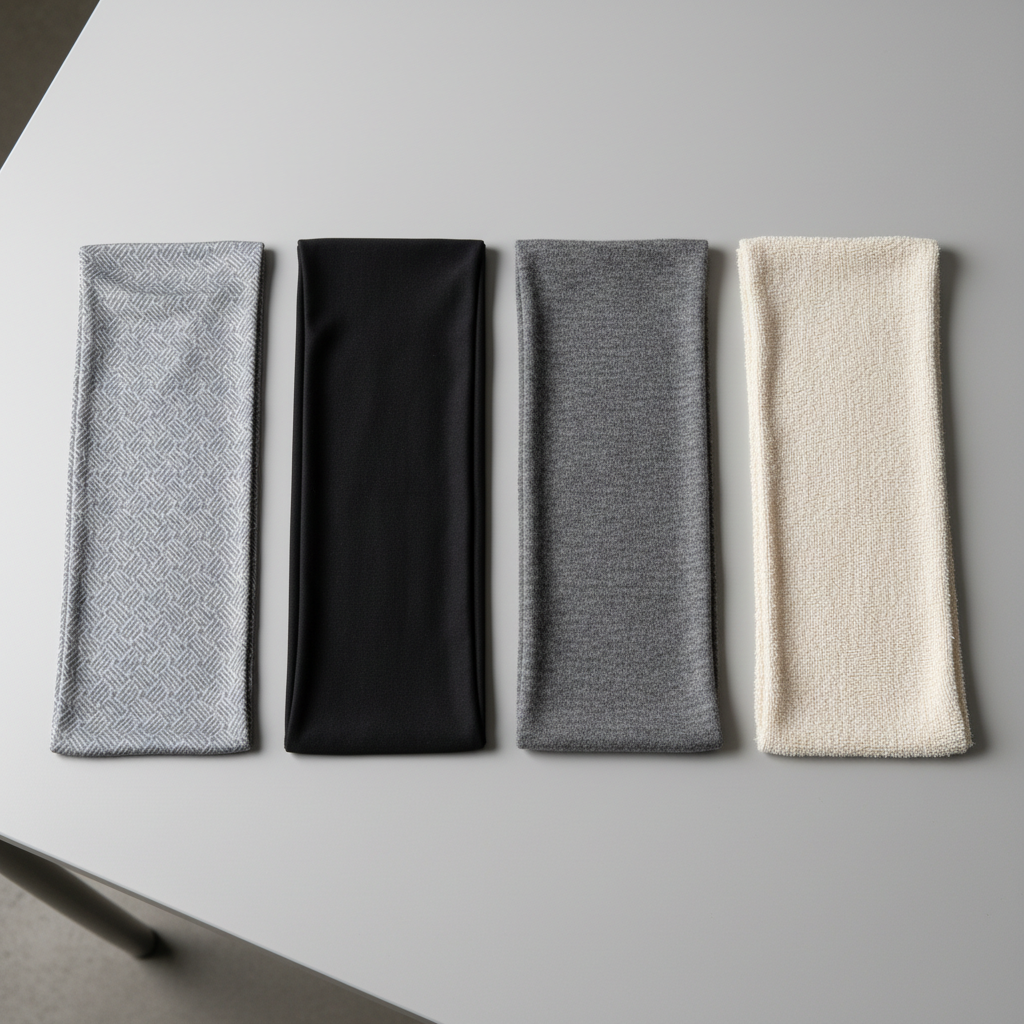
If you ride in heat, a thin synthetic that dries fast usually beats a thick “sweatband” that just stores moisture. If you ride in cooler temps, a slightly denser knit can feel better because it reduces that clammy forehead sensation on windy descents.
Design details that separate “fine” from “great”
Two headbands can share the same fabric blend and still behave totally differently. Here’s what experienced riders tend to notice over time.
- Width at the forehead: Wider bands catch more sweat before it runs; too wide can trap heat under vents.
- Seams: Flatlock seams or seamless knits reduce pressure points under helmet retention systems.
- Edge grip: A subtle silicone strip can help keep the band from creeping up, but can irritate sensitive skin for some riders.
- Coverage behind the ears: Great for gravel dust and sun, but may feel warmer in midsummer.
- Tail vs loop: Tied bandanas adjust easily; loop headbands are faster and usually slimmer.
Key point: If sweat is getting into your eyes, it’s often a routing problem, not a capacity problem. A headband that guides sweat sideways can outperform a thicker one that just soaks.
How to choose by riding scenario (road, gravel, indoor, commuting)
Instead of chasing one “best” option, match the headband to the ride you do most. Many riders end up with two: a summer thin band and a cooler-weather or indoor option.
Road rides (60–180 minutes)
- Go low profile to avoid helmet hot spots.
- Pick quick-dry fabric and minimal seams.
- If you wear sunglasses, prioritize forehead coverage to reduce lens splatter.
Gravel and MTB
- Choose a slightly wider band or a “cap liner” style for dust and grit control.
- Look for better edge stability so it doesn’t shift on rough terrain.
Indoor trainer / spin
- Prioritize maximum sweat management: wider front, fast-dry knit, good evaporation.
- Consider rotating two headbands so one can dry fully between sessions.
Commuting and errands
- Comfort and easy washing matter more than marginal performance.
- Neutral colors and simple styling make it wearable off the bike.
Practical setup: make your headband work better
Even the best cycling headband sweat wicking option can disappoint if it sits in the wrong spot or your helmet pads are overloaded.
Placement that usually works
- Front edge sits about a finger-width above eyebrows, covering the main sweat line.
- Sides tuck under helmet straps without bunching.
- If you use a silicone-grip band, keep the grippy edge on the outer side so it stabilizes against helmet padding.
Pair it with helmet pad habits
- Rinse helmet pads more often in hot months, salt buildup can reduce comfort.
- If pads stay soaked, swap to a thinner headband and let the helmet vents do more work.
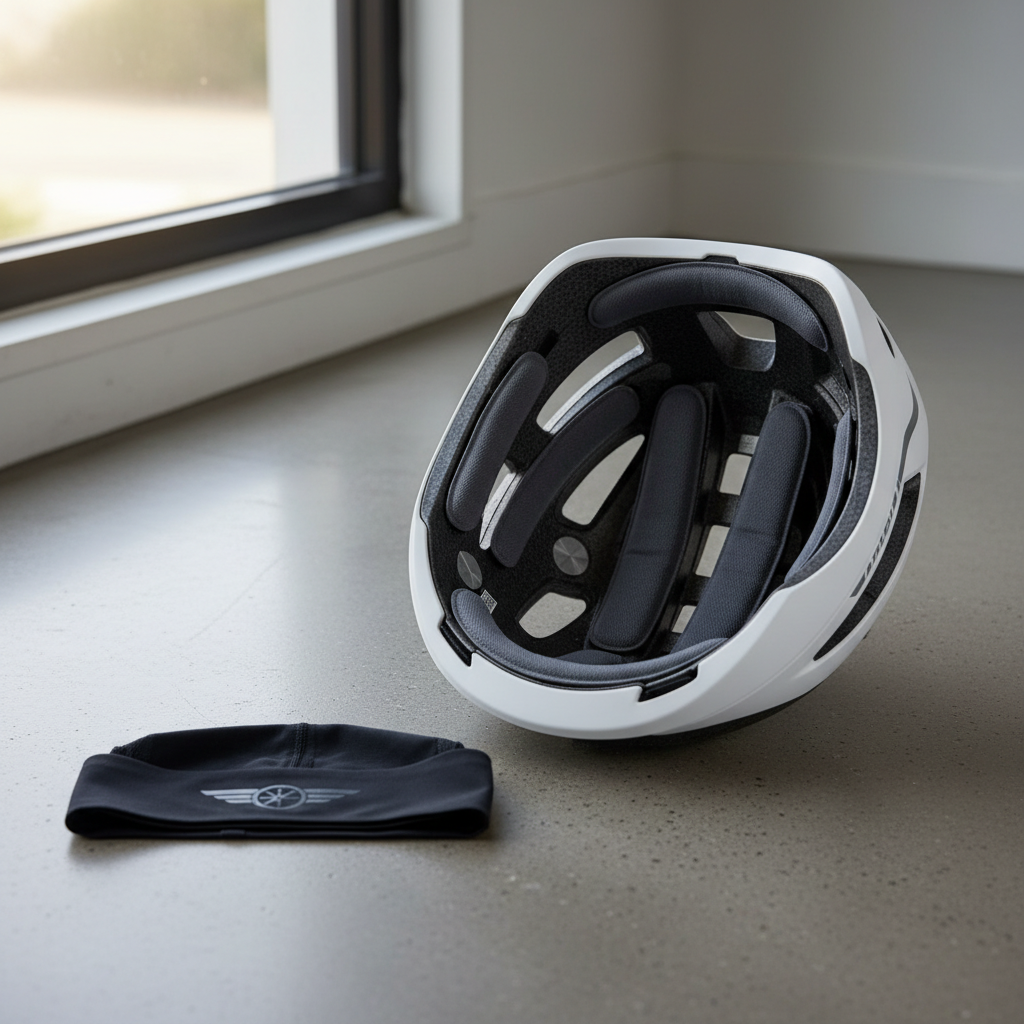
Small but real upgrade: If you’re sweating heavily indoors, a fan plus a wicking headband usually beats doubling up headbands, which often just increases heat and makes dripping worse later.
Care, odor, and when “wicking” stops working
If a headband used to feel great and now feels swampy, it might not be “worn out” so much as coated. Detergent residue, skin oils, and sunscreen can reduce moisture transport.
- Wash soon after hard rides, especially indoor sessions.
- Skip fabric softener, it can reduce performance on many synthetics.
- Air dry when possible, high heat may shorten elastic life depending on the blend.
According to the U.S. Environmental Protection Agency, some laundry additives can contribute to indoor air pollutants; practical takeaway here is simple: keep washing routines minimal and avoid extra fragrance boosters if your skin reacts.
Common mistakes that waste money
- Buying too thick for a vented helmet: feels secure at first, then turns into a wet sponge.
- Over-tightening for “stability”: headaches and pressure points, especially on long rides.
- Assuming one size fits all: head shape and hair volume change fit more than people expect.
- Ignoring seam placement: a seam right under the retention cradle can drive you nuts.
- Trying to solve overheating with more fabric: if you’re cooking, reduce layers and improve airflow.
When to get extra help (skin, heat, and safety)
If you develop persistent rash, folliculitis, or pressure sores at the hairline, it may be worth checking fabric sensitivity, washing products, and helmet fit. If symptoms stick around, consider talking with a dermatologist, especially if you also get itching or broken skin.
For heat issues, a headband can help with comfort, but it won’t “fix” heat illness risk. If you feel dizzy, confused, or unusually weak during rides, stop and cool down, and consider seeking medical guidance.
Conclusion: what to buy and what to prioritize
If you want the best cycling headband sweat wicking performance, prioritize thin, fast-drying fabric, low-bulk seams, and a design that redirects sweat instead of simply absorbing it. For indoor training and peak summer, go wider and quicker-drying; for cooler rides, a slightly denser knit can feel more comfortable.
Your next step can be simple: pick one headband that matches your most common ride, then adjust placement and washing habits before you decide it “doesn’t work.” That’s usually where the real gains show up.
Key takeaways
- Wicking means move + spread + evaporate, not just soak.
- Fit under the helmet matters as much as fabric choice.
- Two-headband rotation often beats one “do-it-all” option.
- Care routine affects performance more than most riders expect.