
Non slip yoga mat shopping sounds simple until you realize “grip” can mean totally different things depending on sweat, flooring, and the type of class you take. If your hands slide in Down Dog or your feet creep during Pilates bridges, you already know how quickly a good session turns into a distraction.
This guide breaks down what actually makes a mat stay put, how to choose based on yoga vs. Pilates, and which specs matter in real life. No miracle claims, just practical selection tips, a comparison table, and a quick checklist so you can buy with fewer regrets.
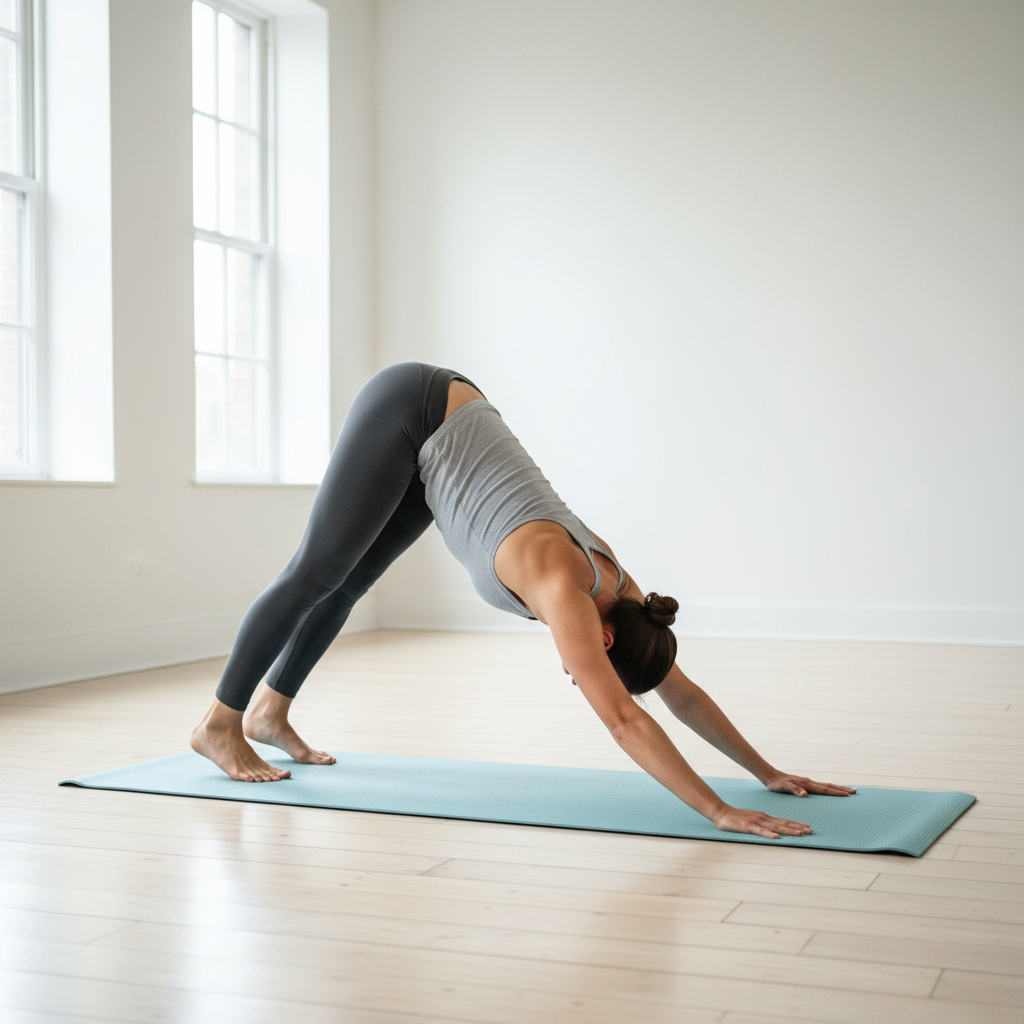
What “non-slip” really means (and why mats still slide)
Most people expect one thing: the top surface grips your skin, and the bottom surface grips the floor. In practice, mats fail for a few predictable reasons, and none of them are about willpower.
- Top-surface slip: your palms slide when moisture builds, or the texture is too smooth for your skin type.
- Bottom-surface creep: the mat slowly shifts on hardwood, tile, or low-pile carpet.
- Compression slip: in Pilates, thicker soft mats can “squish” under load, making stable positions feel wobbly.
According to OSHA (Occupational Safety and Health Administration), slip hazards are a major contributor to falls in workplaces; while studios are not job sites, the same friction basics apply. A stable surface reduces surprise movement, which helps you control alignment.
Yoga vs. Pilates: choose grip and cushion for the way you move
Yoga often needs “hand grip” for weight-bearing poses, plus enough firmness to feel grounded in standing balance. Pilates tends to prioritize spinal comfort and controlled rolling, with less emphasis on sweaty hand traction.
For yoga (especially Vinyasa, Hot, Power)
- Prioritize wet-grip behavior: some materials get grippier with light moisture, others get slick.
- Medium firmness: too soft can strain wrists in planks, too hard can feel harsh on knees.
- Texture matters: micro-texture or raised patterns often help palms feel “locked in.”
For Pilates (mat-based, not reformer)
- A bit more cushioning: hips and spine appreciate it during roll-ups and side-lying work.
- Floor grip over skin grip: you’re often on your back or forearms, so the mat shifting becomes the bigger issue.
- Size helps: slightly longer/wider mats can feel less cramped for supine sequences.
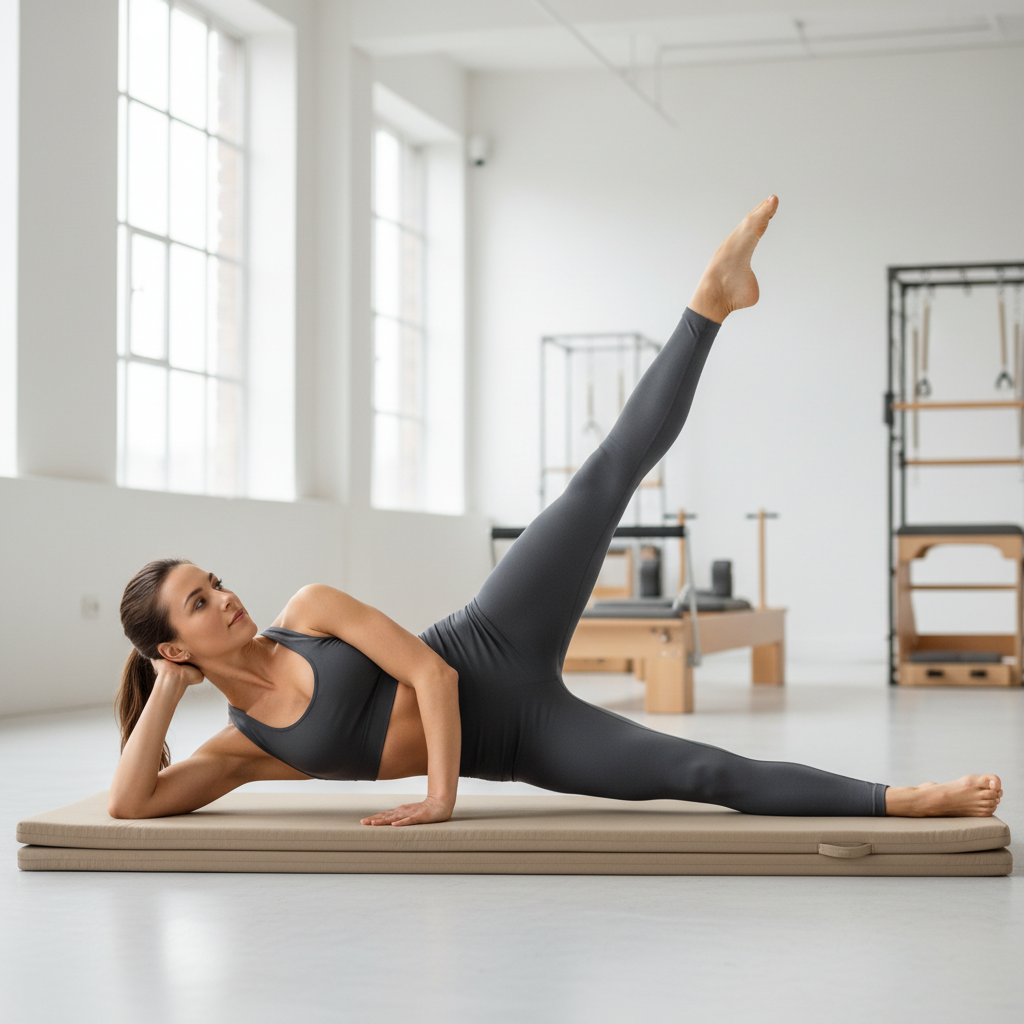
Materials that tend to perform best for a non slip yoga mat
Material choice drives feel, grip, durability, and smell. It also affects how the mat behaves with sweat. Here’s the practical breakdown people usually wish they had before buying.
- Natural rubber: often strong floor grip and solid traction, can be heavier and may bother latex-sensitive users.
- PU (polyurethane) top + rubber base: typically excellent hand grip, especially with moisture; tends to cost more and needs gentle cleaning.
- TPE: lighter, often budget-friendly, grip varies a lot by brand; durability can be mixed in high-friction practice.
- PVC: common and durable, but “non-slip” depends heavily on surface texture and finish; some feel slick when sweaty.
- Cork top: can improve with sweat and feels pleasant, but dust and oils can change traction; base quality matters.
If you sweat heavily, a non slip yoga mat that improves with moisture (often PU or some cork builds) may feel more consistent than a smooth PVC surface that gets slick.
Quick comparison table: what to buy for your main use case
Use this as a starting point, then sanity-check with the checklist in the next section.
| Use case | Surface feel | Recommended thickness | Material direction | What to watch |
|---|---|---|---|---|
| Hot yoga / very sweaty Vinyasa | Tacky with moisture | 4–5 mm | PU top + rubber base | Needs gentle cleaning, can show marks |
| Home yoga on hardwood | Secure floor grip | 4–6 mm | Rubber or rubber blend | Weight, possible rubber odor early on |
| Pilates mat work (spine comfort) | Comfort-forward | 6–10 mm | Dense TPE or “Pilates” mats | Too-soft mats can feel unstable standing |
| Studio classes, carrying often | Balanced | 4–5 mm | TPE or lightweight rubber | Grip drop-off over time on budget mats |
| Joint sensitivity (knees/wrists) | Cushioned + stable | 5–8 mm | Dense rubber or premium TPE | Thicker can reduce balance feedback |
Self-check: how to know which non-slip problem you actually have
Before you buy anything, figure out where the sliding starts. This saves money, because the fix for “hands slip” is not the same as “mat creeps on the floor.”
- If your hands slip first: you likely need better top traction, or you’re using lotion/oil before practice.
- If the mat moves as a whole: the base isn’t gripping your floor, or the floor has dust/cleaner residue.
- If you feel wobbly in Pilates: your mat may be too thick/soft, or it compresses unevenly.
- If slipping happens only in hot classes: your mat might be fine when dry but not designed for moisture.
A lot of “non slip yoga mat doesn’t work” complaints come down to mismatch: wrong surface for sweat level, or wrong base for flooring.
Practical steps to improve grip (even before you replace your mat)
If you already own a mat, try these changes first. They’re low effort, and in many cases they solve the problem without buying a new one.
1) Remove “invisible” slipperiness
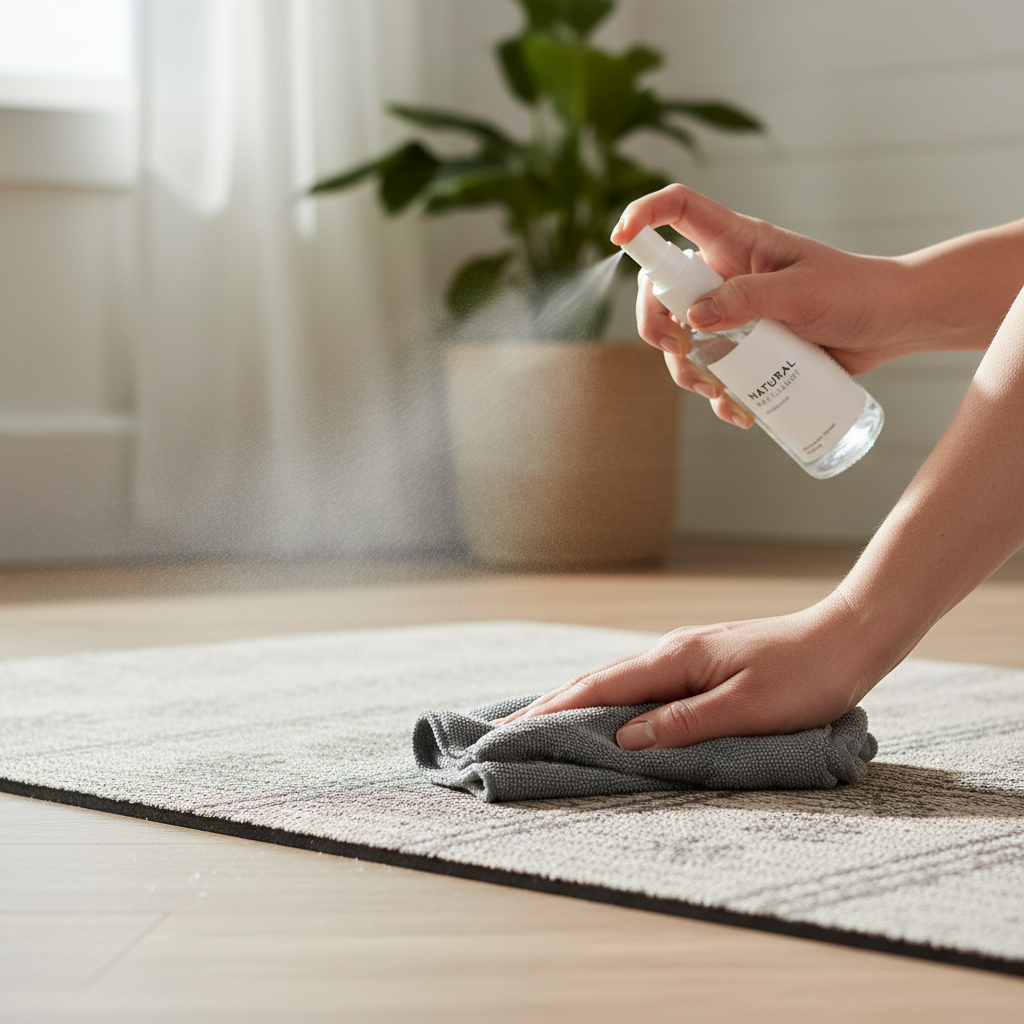
- Wipe the mat with a damp microfiber cloth before class, especially if you use cleaners that leave residue.
- Skip hand lotion right before practice, it can turn a decent surface into a skating rink.
- On hardwood, sweep or quick-vacuum the practice area; dust under the mat reduces floor friction.
2) Use the right add-ons, not random hacks
- Yoga towel for hot classes: look for silicone nubs if you want it to anchor.
- Grip spray: can help short-term, but test first since some formulas may affect finishes.
- Mat underlay (thin grippy layer): useful when the base slides on tile.
3) Adjust thickness for your main practice
- If wrists feel cranky in yoga, try 4–5 mm with firm density, or add a small wrist pad.
- If Pilates spine work feels uncomfortable, consider a denser 6–10 mm mat, not just “softer foam.”
Common mistakes that make a non slip yoga mat feel slippery
- Assuming “tacky” equals “good in sweat”: some mats grip when dry and get slick when wet.
- Over-cleaning with harsh products: strong detergents can change surface feel; follow the brand’s care notes.
- Buying ultra-thick for everything: comfort goes up, but stability and balance feedback can drop.
- Ignoring floor type: a mat that’s great on rubber studio flooring may creep on sealed hardwood at home.
- Expecting a mat to fix form: grip helps, but if hands overload in planks, you may still slide.
According to CDC (Centers for Disease Control and Prevention), preventing slips and falls is a key safety topic in many settings. In fitness, better traction helps, but if you have recurring pain or instability, it may be worth asking a qualified instructor or healthcare professional for guidance.
Bottom line: how to pick your next mat with fewer regrets
A good non slip yoga mat matches your sweat level, your flooring, and the kind of movements you repeat weekly. For sweaty yoga, prioritize top-surface traction that stays reliable with moisture. For Pilates, look for a stable base and denser cushion that supports your spine without turning the mat into a mattress.
If you want a simple next step, decide your main use case, pick a material direction from the table, then use the self-check list to confirm you’re fixing the right problem. That usually gets you 90% of the way there.
FAQ
What thickness is best for a non slip yoga mat for yoga and Pilates?
Many people like 4–5 mm for yoga because it feels stable under hands and feet, while Pilates often feels better around 6–10 mm for spine comfort. If you split time evenly, a denser 5–6 mm can be a practical compromise.
Why does my mat feel slippery when I sweat?
Some surfaces grip well only when dry, and sweat creates a thin film that reduces friction. In that case, a mat designed for moisture grip or a yoga towel can be more reliable.
Are rubber mats always non-slip?
Rubber bases often grip floors well, but top traction still varies by surface finish and texture. Also, dust on the floor or cleaner residue can make even a good base slide.
Can I make my current mat less slippery without buying a new one?
Often, yes: wipe it down, stop using oily products before practice, and clean the floor under it. If the issue is sweat in hot classes, adding a grippy towel is usually the fastest fix.
Is a thicker mat safer?
Thicker can feel more comfortable, but it can also reduce stability for balancing poses and make your foot placement less precise. Safety depends on your practice type and how the mat compresses under load.
What if my hands slip but my feet don’t?
That typically points to top-surface traction and moisture management rather than the base. Consider a different surface material, or use a towel just for your hands during intense flows.
Do non-slip mats work on carpet?
Sometimes, but it depends on carpet pile and how flexible the mat is. On thicker carpet, mats can bunch or feel unstable; a firmer mat or a plywood base under the mat might help in home setups.
If you’re trying to choose between two mats and want a more “no guesswork” path, list your main class type, sweat level, and floor type, then narrow to one material and one thickness range. That small bit of clarity usually beats chasing the most hyped option.