
Muscle Mass tends to increase naturally when your training, food, sleep, and progression all point in the same direction, not when you just “work out harder.” If you feel like you lift regularly but look the same month after month, it’s usually a mismatch between effort and the basics that actually drive growth.
This topic matters because most people don’t fail from lack of motivation, they fail from fuzzy targets: no clear progression in the gym, not enough protein, inconsistent calories, or recovery that never catches up. Fixing those feels almost boring, but boring works.

Below, you’ll get a practical framework: why Muscle Mass stalls, how to self-check your current setup, and a straightforward plan you can run for 8–12 weeks. No miracle shortcuts, just the levers that usually matter most.
Why Muscle Mass Growth Often Stalls (Even If You Train)
If you already train, the issue often isn’t “not enough exercises.” It’s usually one of these real-world problems.
- No progressive overload: you repeat the same weights and reps, so your body has no reason to adapt.
- Not enough hard sets: workouts feel busy but don’t include enough challenging sets near failure.
- Calories too low (or inconsistent): you eat “clean” but not enough to support growth.
- Protein is vague: you have protein sometimes, not a consistent daily target.
- Recovery is underfunded: sleep runs short, stress runs high, soreness lingers, performance drops.
- Program hopping: switching weekly prevents you from building momentum and measurable progression.
According to the Centers for Disease Control and Prevention (CDC), adults should do muscle-strengthening activities at least 2 days per week. That’s a minimum, and many people seeking noticeable Muscle Mass need more structure than “a couple days when life allows.”
A Quick Self-Check: Are You Set Up to Gain?
Before you change everything, run this checklist. If you hit several “no” answers, that’s your bottleneck.
- Do you track key lifts (even in your Notes app) and try to add reps or weight over time?
- Do you train each major muscle group about 2 times per week in some form?
- Do you regularly take sets close to failure (1–3 reps left in the tank), not stop early?
- Do you eat a consistent protein amount daily, not just on “good days”?
- Do you maintain a mild calorie surplus most days (or at least avoid undereating)?
- Do you sleep roughly 7–9 hours often enough that performance improves week to week?
If your training looks solid but your weight never trends up across 2–4 weeks, food is probably the limiting factor. If your weight climbs but strength stays flat, training quality or recovery tends to be the issue.
Training Principles That Build Muscle Naturally
To build Muscle Mass, you want enough weekly stimulus and a way to progress without burning out. That means you care more about “hard sets per week” and progression than fancy exercise selection.
Focus on the big movement patterns
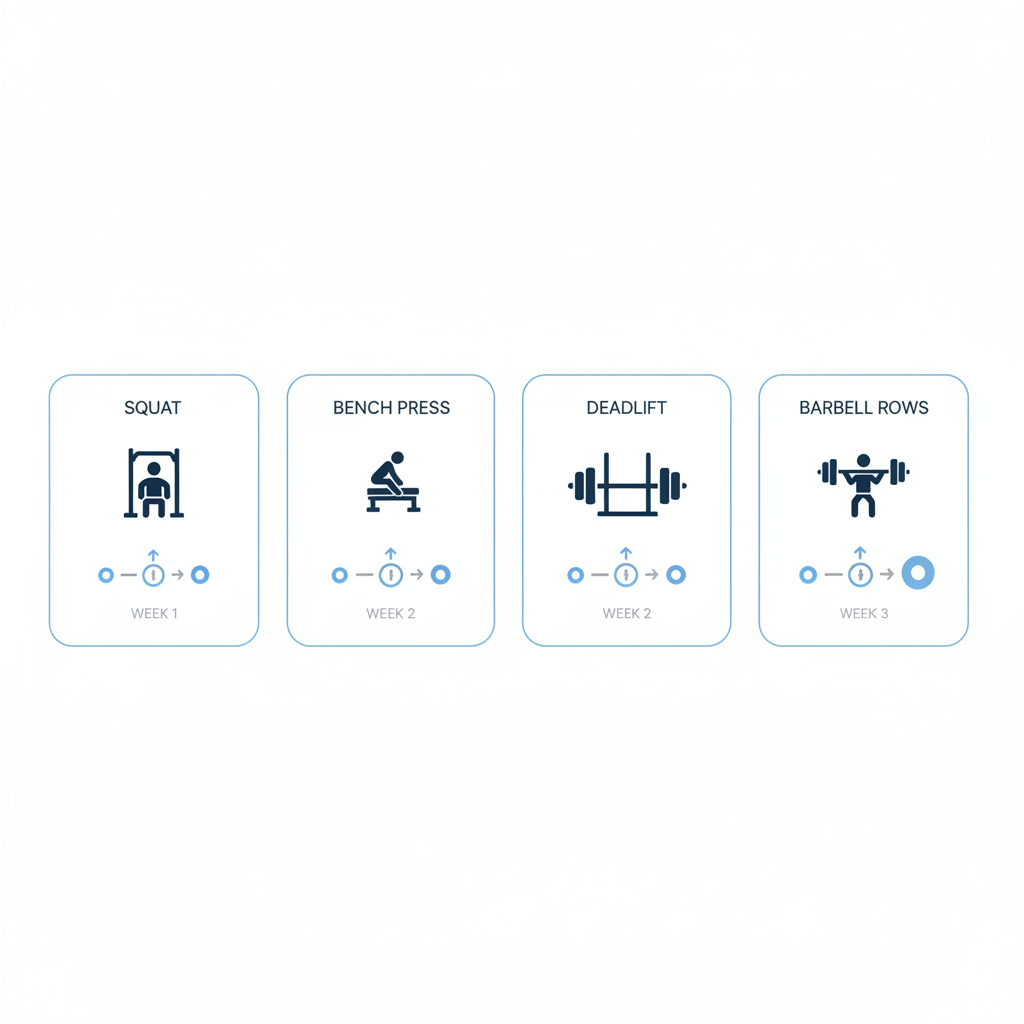
- Squat pattern: back squat, front squat, leg press
- Hinge pattern: Romanian deadlift, hip thrust, deadlift variations
- Horizontal press: bench press, dumbbell press, push-ups weighted
- Vertical press: overhead press, machine press
- Row/pull: rows, pull-ups/lat pulldown
- Single-joint support: curls, triceps work, lateral raises, calf raises
A common sweet spot for many lifters is roughly 10–20 challenging sets per muscle group per week, but your best number depends on recovery, experience, and how hard your sets really are. If you’re not sure, start toward the lower end and earn your way up.
Use a simple progression rule
Pick a rep range, keep form consistent, and progress slowly. Example: 3 sets of 6–10 reps.
- If you hit 10 reps on all 3 sets with solid form, add 5 lb next time (or the smallest jump available).
- If you miss the range, keep the same load until you earn the reps.
This looks basic because it is. It’s also the difference between “working out” and training for growth.
Nutrition: The Levers That Actually Move the Needle
Most “hard gainers” are just under-eaters with inconsistent weeks. For natural Muscle Mass gain, your nutrition goal is a small, steady surplus with enough protein to support repair and growth.
Protein target (simple and workable)
According to the American College of Sports Medicine (ACSM), protein needs can be higher for people who train regularly. In practice, many active adults do well around 0.7–1.0 grams of protein per pound of body weight per day, adjusted for your preferences and tolerance. If you have kidney disease or other medical concerns, it’s smart to ask a clinician before pushing intake.
Calorie surplus (small beats chaotic)
- Aim for a weight gain trend around 0.25–0.5% of body weight per week in many cases.
- If nothing changes after 2 weeks, add ~150–250 calories per day and reassess.
Carbs and fats: don’t sabotage training
- Carbs often help performance and volume, which supports growth.
- Fats help with satiety and hormones, but very high fat can crowd out carbs for some people.
If you want an easy plate rule: include a solid protein serving each meal, add a carb source you tolerate well, and don’t fear calories from whole-food fats.
Recovery and Lifestyle: The Unsexy Advantage
If your goal is bigger Muscle Mass, recovery is not optional. Many people try to “out-train” poor sleep, and it usually backfires as stalled strength, nagging aches, and half-hearted sets.
- Sleep: try for 7–9 hours when possible, and keep wake time steady.
- Stress: if life stress is high, lower training volume a bit and keep intensity reasonable.
- Steps/cardio: keep it consistent; huge swings can eat into recovery and calories.
- Deloads: every 6–10 weeks, reduce volume for a week if performance feels stuck.

One more reality check: soreness is not a score. Improving performance in key lifts over weeks is the signal you want.
A Practical 8–12 Week Plan (Training + Food + Tracking)
If you want a starting point that fits most busy schedules, run a 4-day upper/lower split. Keep exercises stable for at least 8 weeks so you can measure progress.
Example weekly layout
- Day 1 Upper: bench or DB press, row, overhead press, pulldown/pull-up, lateral raises, triceps
- Day 2 Lower: squat or leg press, Romanian deadlift, leg curl, calves, abs
- Day 3 Upper: incline press, chest-supported row, dips or machine press, pulldown, curls
- Day 4 Lower: deadlift variation or hip thrust, split squat, leg extension, calves, abs
Sets, reps, effort
- Most main lifts: 2–4 sets of 6–10 reps
- Accessories: 2–4 sets of 10–15 reps
- Effort: stop with about 1–3 reps in reserve on most sets
Weekly tracking (keep it simple)
- Body weight: 3–7 mornings per week, use the weekly average
- Gym log: weights, reps, and notes on form
- Nutrition: protein daily, plus a basic calorie target if weight stalls
Common Mistakes (And What to Do Instead)
- Copying an advanced program: if you can’t recover, you can’t grow. Start with fewer sets and add only when you need it.
- Majoring in variety: rotating exercises constantly hides whether you’re progressing. Keep the core lifts stable.
- Dirty bulking: a surplus helps, but chasing calories with ultra-processed food often leads to uncomfortable fat gain. Use a measured bump.
- Ignoring technique: sloppy reps shift tension away from the target muscle. If a lift feels “all joints,” lighten the load and clean it up.
- Overusing supplements: supplements can support basics, not replace them. Food, training, sleep come first.
According to the U.S. Food and Drug Administration (FDA), dietary supplements are not approved the same way drugs are, and quality can vary. If you use supplements, look for third-party testing when possible and consider discussing with a qualified professional, especially if you take medications.
Key Takeaways (Read This If You Skimmed)
- Muscle Mass usually increases when you combine progressive training, enough protein, a small calorie surplus, and consistent sleep.
- Track a few key lifts and your weekly average body weight, you need feedback to adjust.
- Stay with one plan 8–12 weeks, then tweak volume or calories based on trends.
- If weight doesn’t rise, add calories; if weight rises but strength doesn’t, fix training quality and recovery.
Mini Reference Table: What to Adjust When Progress Slows
| What you see | Most likely cause | What to try for 2 weeks |
|---|---|---|
| Weight flat, strength flat | Calories too low and/or training not progressive | Add 150–250 calories/day, use a rep range progression |
| Weight up, strength flat | Recovery or program quality issue | Sleep more, reduce junk volume, push key sets closer to failure |
| Strength up, weight flat | Recomposition or early-stage gains | Keep going, consider a small surplus if size is priority |
| Constant soreness, motivation dropping | Too much volume, too little recovery | Deload week, then return with fewer sets and better form |
When to Consider Professional Help
If you have persistent pain, dizziness, fainting, unusual shortness of breath, or a medical condition that affects exercise or diet, it’s worth checking with a licensed healthcare professional. If you suspect disordered eating patterns or you feel anxious about food and tracking, a registered dietitian can be a better starting point than forcing a “perfect” bulking plan.
Conclusion: Build Muscle the Boring Way, Then Make It Yours
Natural Muscle Mass gain is a long game, but it shouldn’t feel mysterious. Train with progression, eat enough protein, keep a small surplus when size matters, and protect sleep like it’s part of the program. Pick a plan you can repeat, track two or three signals, then adjust one lever at a time.
If you want an easy next step, choose one main lift to improve this month, set a daily protein target you can actually hit, and check your weekly weight trend every Sunday, those three actions usually create momentum fast.
FAQ
How long does it take to see noticeable Muscle Mass gains?
Many people notice performance changes in a few weeks, while visible size changes often take 8–12 weeks of consistent training and food. Your starting point, age, sleep, and stress level can speed up or slow down the timeline.
Can I gain Muscle Mass without supplements?
Yes. Supplements can be convenient, but they’re not required. If your training progression, protein intake, and calories are inconsistent, supplements rarely move the outcome much.
Do I need to bulk to build muscle naturally?
Not always. Beginners and people returning after a break often build muscle while staying near maintenance. If you’ve trained a while and want faster size gains, a small surplus tends to help.
How much protein per meal is enough for muscle growth?
A practical approach is spreading protein across 3–5 meals, with each meal containing a solid portion. Exact grams depend on body size and total daily target, but consistency beats perfection.
Is training to failure necessary to gain size?
Not necessary for every set. Many people grow well staying close to failure most of the time, then using true failure sparingly on safer isolation moves. If your form breaks down, you’ve gone too far.
Why am I gaining weight but not looking more muscular?
Often the surplus is too large, training isn’t progressive, or recovery is poor so workouts lack quality. Tighten the surplus, track strength trends, and make sure key lifts improve over time.
What’s the best natural food for muscle gain?
There isn’t one magic food. Prioritize protein staples you enjoy (chicken, fish, lean beef, eggs, Greek yogurt, tofu, beans), then add carbs for training energy and calorie support.
If you’re trying to gain muscle but you keep bouncing between “eating more” and “training harder” with no clear result, it may help to use a simple structure: a repeatable program, a protein target, and a weekly check-in that tells you what to adjust next.