
The best bike rack for truck bed depends less on brand hype and more on your truck bed layout, how many bikes you carry, and how much you care about quick loading versus rock-solid security.
If you have ever tossed bikes in the bed “just for a short drive,” you already know the two common outcomes, rubbing and scuffs on frames, and a bike that shifts right when you hit a pothole. A purpose-built bed rack fixes that, but only if it matches your tailgate use, tonneau cover, and axle spacing.
This guide breaks down the main rack styles, how to choose based on real use cases, and a simple setup checklist. You will also get a comparison table and a few buying traps that show up a lot in 2026 listings.
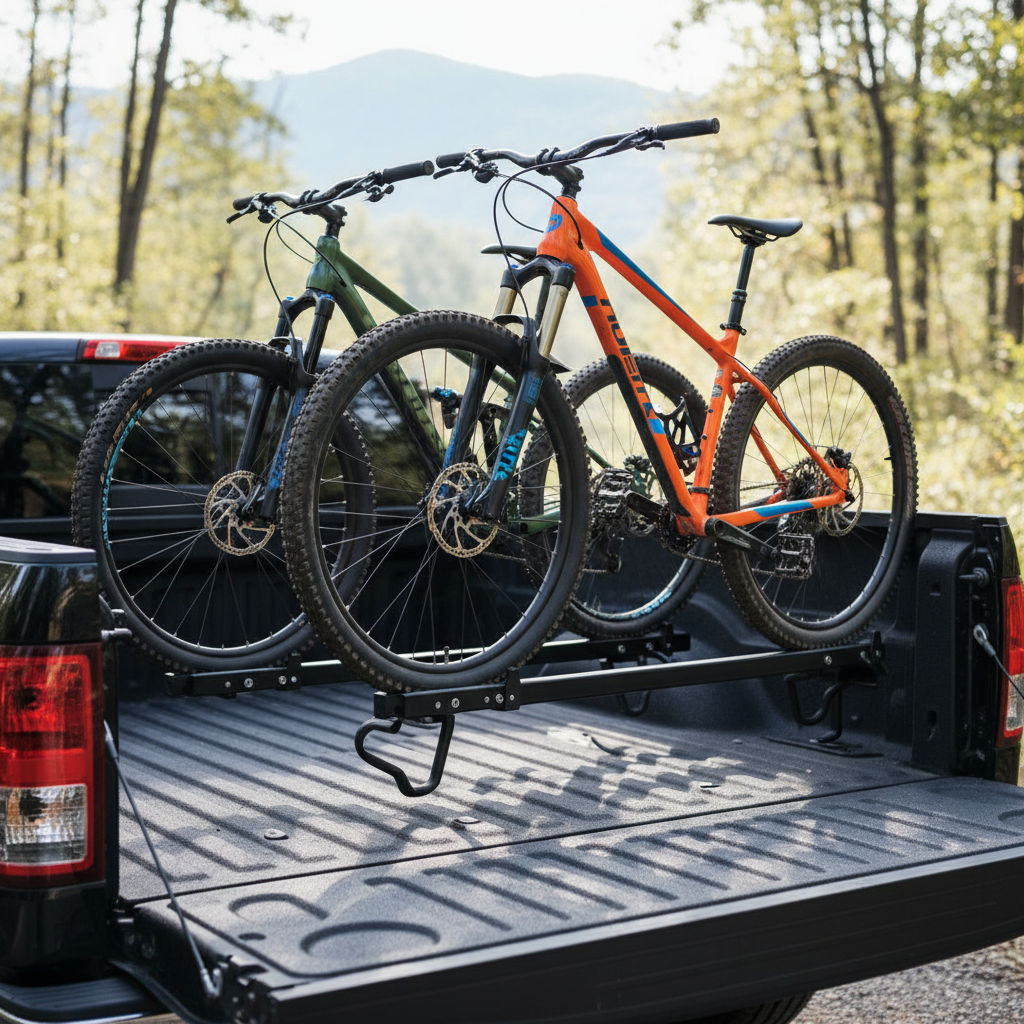
What makes a truck bed bike rack “best” in 2026
Forget buzzwords, you want stable retention, fast loading, and compatibility with the stuff already on your truck. The “best” choice usually nails these few points.
- Bed compatibility: works with your bed length, tie-down points, and any bed liner or rail system.
- Bike compatibility: fits modern axle standards, common tire widths, and your mix of road, gravel, and MTB.
- Security approach: a rack can deter casual theft, but many setups still need an added cable or lock strategy.
- Tailgate and tonneau cover clearance: this is where people waste money, especially with tri-fold or roll-up covers.
- Removability: some people want a semi-permanent system, others need the bed back every weekend.
According to NHTSA, securing cargo properly helps reduce road hazards caused by debris, so treating bikes as “cargo” instead of “gear” is the right mindset for highway driving.
Quick comparison: truck bed bike rack types
Most products fall into a few buckets. Here is the practical difference, not the marketing version.
| Rack type | How it holds bikes | Best for | Watch-outs |
|---|---|---|---|
| Fork-mount crossbar | Front wheel off, fork clamps to mounts | Max stability, cleaner bed, mixed bikes | Need correct axle adapters, slower if you hate wheel removal |
| Wheel-on bed tray | Wheels stay on, bike straps into tray | Fast loading, frequent solo rides | Takes more bed space, can conflict with tonneau covers |
| Tailgate pad | Bikes hang over tailgate, straps hold frames | Shuttles, multiple MTBs, quick group loading | Tailgate wear, less theft resistance, not ideal for road bikes |
| Clamp-to-bed-rail system | Mounts to bed rails, various bike holders | Trucks with rail channels, modular setups | Fit varies, may block cover rails or bed caps |
| DIY 2x4 block + fork mounts | Fork mounts screwed to wood beam | Budget builds, occasional hauling | Security and longevity depend on build quality |
Why your current setup feels sketchy (common failure points)
People often assume the bike is “heavy enough” to stay put. In reality, the bed is a big, vibrating box, and bikes love to walk around.
- Strap geometry is wrong: if straps pull sideways instead of down and forward, the bike shifts when the truck leans.
- Contact points are abrasive: pedals and rotors rub paint and forks, especially with two bikes stacked together.
- Tailgate flex: a tailgate pad helps, but a long drive can still grind grit into the finish.
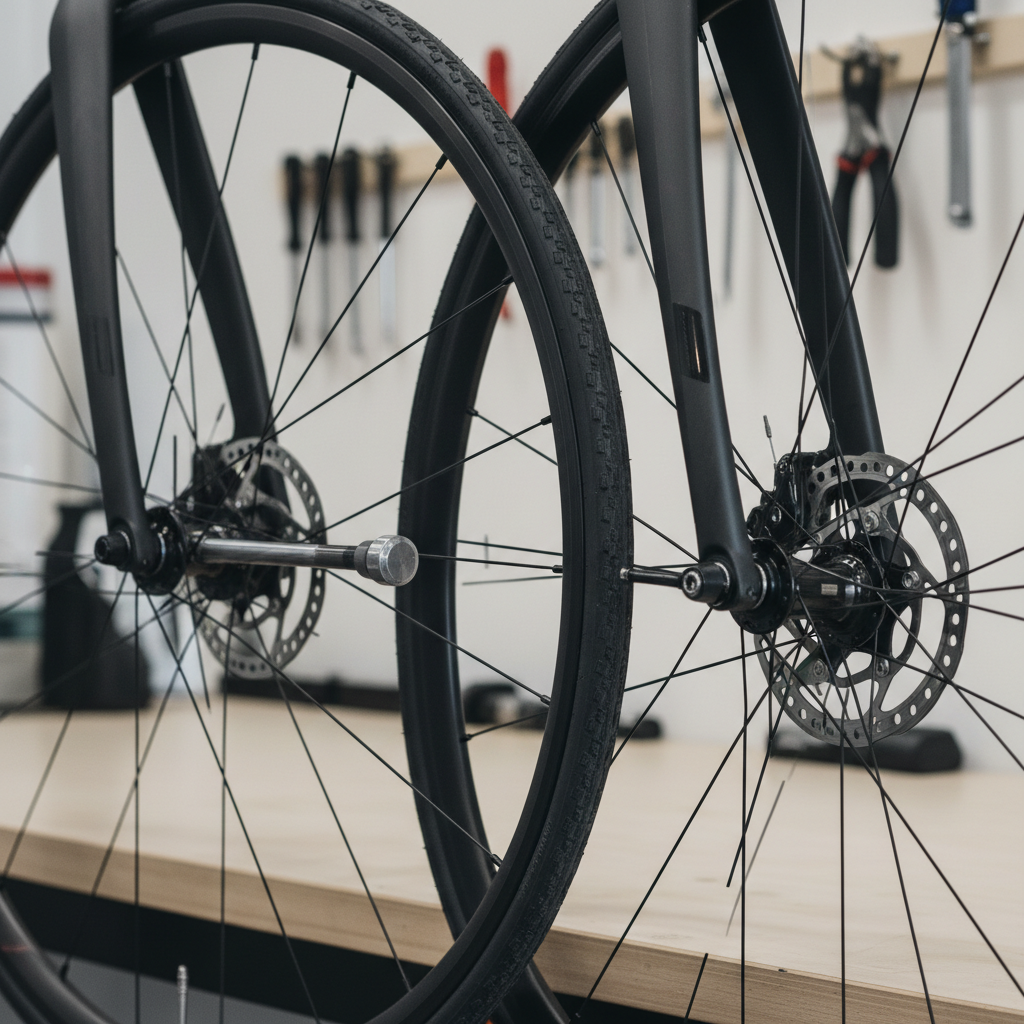
- Axle standard mismatch: modern MTBs often use thru-axles, some racks still ship assuming quick release.
- Tonneau cover interference: even “low profile” racks can hit cover rails or block latches.
Self-check: pick the right rack style in 2 minutes
If you only do one thing before buying, do this. Your answers usually point to a clear rack category.
1) How many bikes, and what kind?
- 1–2 bikes, mixed road/gravel/MTB, care about stability: fork-mount crossbar tends to win.
- 3–5 MTBs, frequent group rides: tailgate pad is the speed play.
- 1 bike, constant on/off, hate removing wheels: wheel-on tray feels easiest.
2) Do you run a tonneau cover?
- Hard folding or roll-up cover with side rails: measure rail height and inside bed width, many tall mounts conflict.
- No cover, or you keep it open for bikes: you have more freedom, but theft exposure increases.
3) What is your “real” loading routine?
- Loading at trailheads, tired, in the dark: fewer steps beats theoretical performance.
- Highway miles every week: prioritize rigid retention and fewer bike-to-bike contact points.
Recommended setups (by scenario, not by hype)
Instead of pretending there is one universal winner, here are setups that typically work well for specific users.
Scenario A: daily rider, one bike, quick errands
- Go with a wheel-on tray if bed space is not tight.
- Add a simple front wheel strap backup, some trays feel solid until a hard bump.
- If you park in public often, plan for a lock point, many tray systems need an extra cable lock.
Scenario B: you want the “set it and forget it” stable solution
- A fork-mount crossbar anchored to factory tie-downs or a bed rail system usually feels the most planted.
- Buy the correct axle adapters up front, common sizes include 12x100, 15x100, 15x110.
- Keep a small bin for thru-axles so you do not lose them at the trailhead.
Scenario C: weekend shuttle crew with multiple MTBs
- A tailgate pad loads fastest and scales to more bikes.
- Look for thick padding where downtubes sit, and solid strap spacing so bars do not collide.
- If your truck has a backup camera in the tailgate handle area, check for coverage and clearance.
If you are shopping listings that claim “fits all trucks,” treat that as a starting point, then verify bed width, rail shape, and mounting method in the manual.
How to install and dial in your truck bed rack (practical steps)
A rack can be great and still feel bad if it is installed slightly off. This is the part most reviews skip.
Step-by-step setup checklist
- Measure twice: inside bed width at the mounting height, and distance to tonneau rails if you have them.
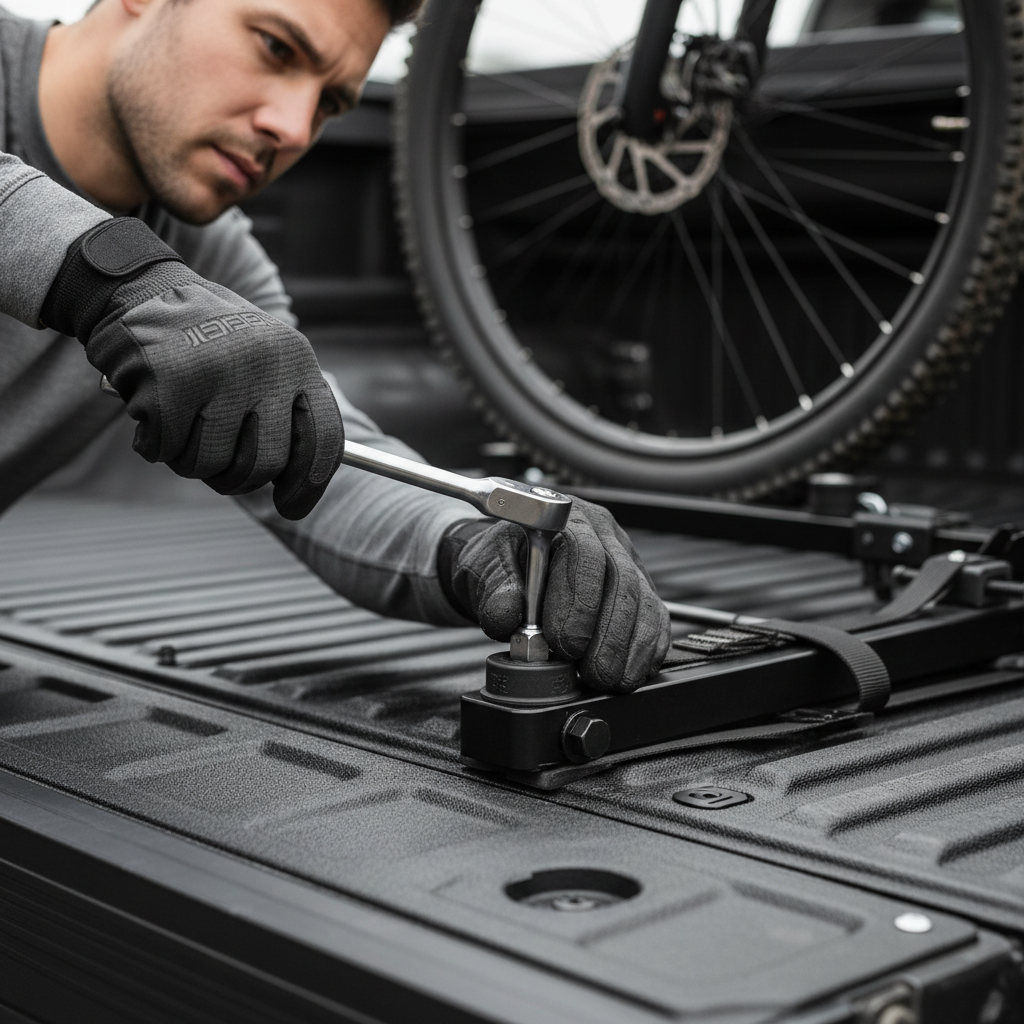
- Choose anchor points: factory D-rings, bed rail channels, or clamps, avoid thin sheet metal without reinforcement.
- Set spacing: give handlebars room so grips and levers do not interlock.
- Protect contact areas: add clear film or soft wrap where hardware might touch painted surfaces.
- Test-drive empty: listen for rattles, then re-torque fasteners after the first short trip.
Loading tips that prevent frame rub
- Alternate handlebar direction for adjacent bikes, especially with wide MTB bars.
- Keep rotors away from other frames, a rotor can scratch fast.
- Use a soft spacer or strap to stop side-to-side sway if the bike can pivot.
Mistakes to avoid when buying the best bike rack for truck bed
A lot of returns come from predictable issues, and they are usually visible before you click “buy.”
- Ignoring axle standards: “fork mount included” does not mean it fits your fork without adapters.
- Overtrusting tailgate pads for long highway trips: they work, but paint protection and security vary by model and how clean the pad stays.
- Assuming a lock equals theft-proof: locks deter, they do not guarantee, adjust your expectations and parking habits.
- Buying too tall for a covered bed: some systems block tonneau closure even if the seller claims “compatible.”
- Forgetting bed usability: if you haul lumber or gear, quick-remove matters more than you think.
According to SAE International, properly managed cargo securement is a key factor in reducing loss of loads from vehicles, and bikes count as a load even when they feel “sporty.”
Conclusion: what I would choose for most truck owners
For most people who want a dependable answer in 2026, a fork-mount crossbar is usually the closest thing to a “safe bet” because it keeps bikes separated, reduces bed chaos, and stays stable at speed, as long as you confirm axle compatibility and mounting points.
If your priority is moving a group fast, a tailgate pad often makes life easier, and if you ride solo constantly and value convenience, a wheel-on tray can be the right kind of simple. Pick the setup that matches how you actually load the bike when you are tired, not how you imagine doing it.
Action steps: measure your bed and cover rails tonight, then write down your axle standards and tire widths, those two notes prevent most wrong purchases.
FAQ
What is the best bike rack for truck bed if I have a tonneau cover?
Many truck owners end up with a lower-profile fork-mount crossbar or a rail-compatible modular system, but it depends on how your tonneau mounts. Measure rail height and confirm the rack’s mounted height before buying.
Is a tailgate pad safe for carbon frames?
It can be, but it is more sensitive to grit and strap pressure. Keeping the pad clean and making sure straps do not pinch cables or rub one spot repeatedly matters more with carbon.
Do I need to remove the front wheel with a truck bed bike rack?
Only with fork-mount setups. Wheel-on trays keep both wheels on, which is convenient, but they usually take more space and may limit how you fit other cargo.
How many bikes can I carry in a short bed?
It varies by bike size and handlebar width. Short beds often handle 2 cleanly with fork mounts, while tailgate pads can carry more, though bar and pedal interference becomes the limiting factor.
Will a truck bed rack scratch my bed or tailgate?
It can if the rack moves, traps dirt, or has metal contact points. Adding protective film at touch points and re-checking clamp tightness after the first drive usually reduces the risk.
What lock setup makes sense for truck bed transport?
Many riders use a quality cable or chain through frames plus a second lock at the fork or rear triangle, anchored to a bed tie-down. If theft risk is high, you may want to consult a local bike shop about lock choices for your area.
Can I use a DIY 2x4 bike rack in my truck bed?
For occasional use, yes, lots of people do it successfully, but build quality matters, especially fastener strength and how the wood is secured to the bed. If you drive long distances or carry expensive bikes, a purpose-built system often feels more confidence-inspiring.
If you are trying to choose the best bike rack for truck bed and you are stuck between two styles, list your truck bed measurements, your axle standard, and whether you need to keep a tonneau cover functional, that combo usually makes the decision obvious and saves you from a return cycle.