
Post Workout nutrition is the part most people rush, then wonder why they feel wiped out the next day, sore for days, or stuck at the same weights and paces.
The good news is you do not need complicated supplements or a chef-level meal plan, you need a repeatable approach: fluids, enough protein, the right amount of carbs for your training, and timing that fits real life.
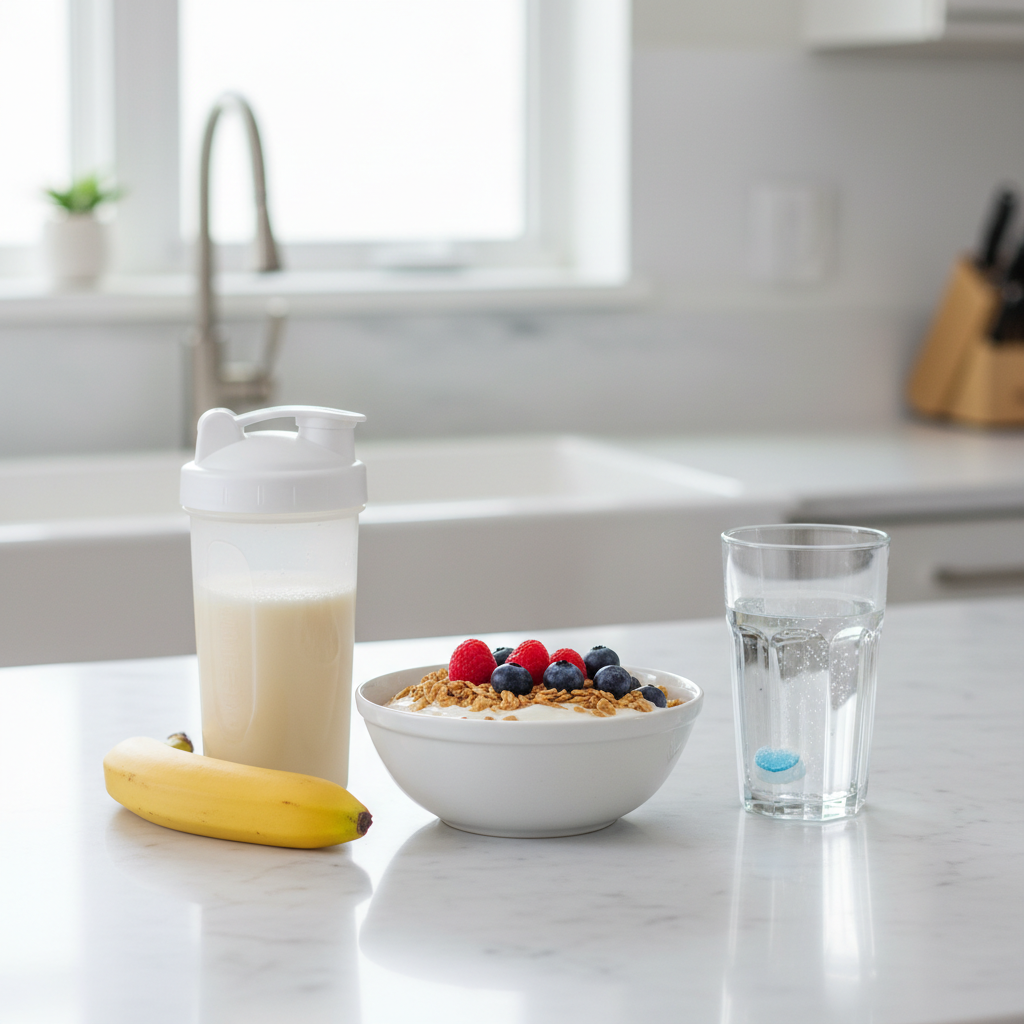
In this guide, you will see what matters most after different workouts, a quick self-check to pick the right strategy, and practical meal ideas that do not feel like “fitness food.”
What recovery nutrition really does (and what it cannot)
Think of the hours after training as “rebuild time.” Your workout created a stimulus, now your body needs raw materials and rest to adapt.
- Protein supports muscle repair and helps you adapt to strength work.
- Carbohydrates help refill muscle glycogen, the main fuel for many types of training.
- Fluids and electrolytes help you feel normal again, especially after sweat-heavy sessions.
- Total calories still matter, one perfect snack will not fix a consistently low intake.
At the same time, Post Workout choices will not erase poor sleep, chronic stress, or a plan that is too aggressive. Those usually show up as “I do everything right, but I feel flat.”
How to decide what you need: a fast self-check
If you only remember one thing, remember this: the “right” Post Workout meal depends on what you did, how long it lasted, and what you do next.
Ask yourself these questions
- Was it strength, endurance, or mixed? Heavy lifting often benefits from more protein focus, long cardio leans harder on carbs.
- How long was the session? 30–45 minutes is different from 90 minutes.
- How hard did it feel? Near-max lifting or intervals usually demand more recovery.
- Do you train again in the next 24 hours? Short turnaround means you should prioritize carbs and fluids.
- Can you eat a full meal soon? If not, a snack or shake becomes more useful.
If your workout was light and you will eat a normal meal within 1–2 hours, you can keep it simple. If it was long, intense, or you have another session tomorrow, you want a more intentional plan.
The core building blocks: protein, carbs, and hydration
Most “recovery” confusion comes from trying to optimize one variable while ignoring the rest. A reliable Post Workout plate usually includes all three.
Protein: your non-negotiable anchor
According to the International Society of Sports Nutrition (ISSN), protein intake distributed across the day supports muscle protein synthesis, which is the process of building and repairing muscle tissue.
- Practical target: many active adults do well with roughly 20–40g protein after training, depending on body size and total daily intake.
- Easy options: Greek yogurt, eggs, chicken, tuna, tofu, tempeh, cottage cheese, whey or plant protein blend.
If you struggle with appetite after training, liquids can help. A shake plus a piece of fruit beats “I will eat later” that turns into nothing.
Carbs: not mandatory for everyone, critical for some
Carbs matter most after endurance, interval training, long sessions, or when you train again soon. They are less urgent after short, easy lifting sessions if your overall diet already includes enough carbs.
- Higher need days: long runs, cycling, CrossFit-style metcons, team sports, double sessions.
- Lower need days: short technique work, easy strength, light zone-2 cardio.
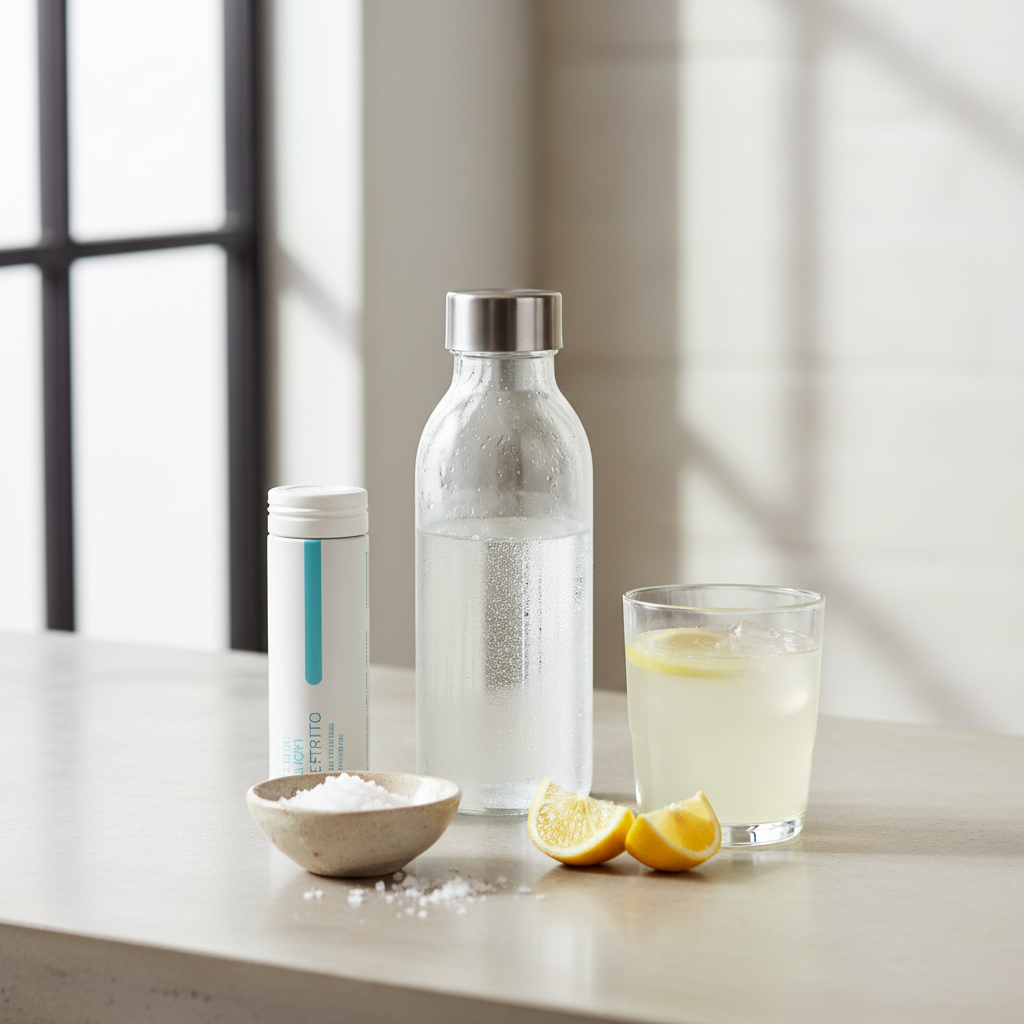
Carb choices that work in real life: rice, potatoes, oats, pasta, bread, tortillas, fruit, cereal, beans, and even a simple bagel when you need convenience.
Hydration and electrolytes: the missing piece for “I feel terrible”
Headaches, unusual fatigue, and next-day heaviness can be hydration problems, not motivation problems. According to the American College of Sports Medicine (ACSM), replacing fluid and electrolytes after exercise supports recovery, especially when sweat losses are high.
- Start simple: drink water until your thirst settles and your urine returns to a pale yellow.
- Consider electrolytes if you sweat heavily, train in heat, or see salt stains on clothing.
- Do not overdo it: forcing huge volumes of plain water can upset your stomach, and in rare cases can be risky, if you have specific medical conditions ask a clinician.
Timing: the “anabolic window” is not a cliff, but you should still plan
The internet turned timing into drama. In practice, you do not need to slam a shake the second you rack the bar, but you also should not wait half the day because you got busy.
- If you ate protein within a few hours before training: you can be more relaxed post-session.
- If you trained fasted or it has been 4+ hours since food: eat sooner, even if it is a smaller snack.
- If you train again within 24 hours: prioritize carbs and fluids earlier, not just at dinner.
A realistic rule many people can follow: get protein and some carbs within about 1–2 hours, then eat a balanced meal later if the first intake was small.
Practical Post Workout meal ideas (by scenario)
This is where plans succeed or die. Your recovery meal should fit your schedule, your digestion, and what you actually keep at home.
If you lifted heavy (strength focus)
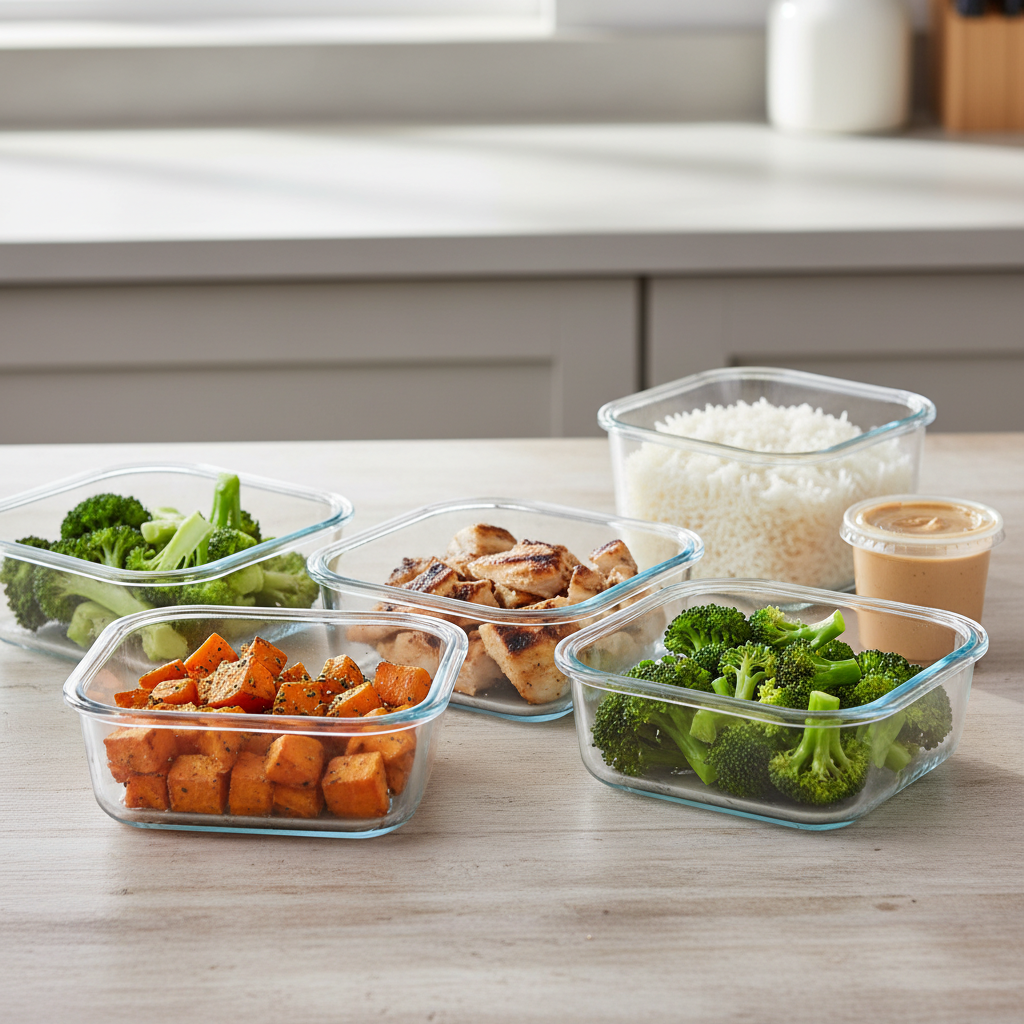
- Chicken or tofu bowl: rice, protein, salsa, veggies, olive oil
- Greek yogurt: berries, granola, honey, plus a glass of milk
- Eggs and toast: add fruit if you need more carbs
If you did intervals or a hard mixed session
- Protein shake + banana + pretzels (easy carb + sodium)
- Turkey sandwich on whole grain bread + sports drink or electrolyte water
- Rice and beans + lean meat, add avocado if you need more calories
If you ran long or did endurance work
- Oatmeal with whey or soy protein + raisins
- Pasta with marinara + ground turkey, add a side of fruit
- Smoothie: milk or soy milk, protein, frozen fruit, oats, pinch of salt
If you cannot eat much right after training
- Drinkable yogurt + fruit
- Chocolate milk (works for many people, watch added sugar if it does not fit your goals)
- Half portion now, full meal later, instead of skipping entirely
If your stomach flips after intense sessions, fat and fiber sometimes make it worse, at least in the first hour. Go easier, then build a bigger meal once you feel normal.
A simple recovery table you can actually use
Use this as a starting point, then adjust based on hunger, performance, and how you feel the next day.
| Workout type | Main priority | What to eat (simple template) | When to be more intentional |
|---|---|---|---|
| Short easy strength (30–45 min) | Protein + normal hydration | 20–40g protein + regular meal later | If you trained fasted or dinner is far away |
| Heavy strength / hypertrophy | Protein + moderate carbs | Protein + rice/potatoes/fruit | If soreness stays high or performance stalls |
| Intervals / mixed conditioning | Carbs + fluids + protein | Protein + fast carbs + electrolytes | If you train again tomorrow or sweat a lot |
| Long endurance (60–120+ min) | Carb replenishment + hydration | Carb-heavy meal + protein, salt, fluids | If you feel depleted, crampy, or under-recovered |
Common mistakes that quietly slow recovery
- Only protein, no carbs after long or intense sessions, then you wonder why the next workout feels awful.
- Eating “clean” but too little, especially when training volume increases, recovery needs calories.
- Forgetting sodium if you sweat heavily, water alone may not fix the problem.
- Overdoing supplements while basics stay inconsistent, powders cannot replace meals and sleep.
- Copying someone else’s plan without matching your body size, goals, and weekly training load.
Also, if your Post Workout plan causes stomach pain, reflux, or bathroom emergencies, that is not “mental toughness,” it is a mismatch. Adjust food types, fiber, fat, and portion size.
When to get professional help
If recovery feels unusually difficult, do not assume it is just discipline. It can be training load, nutrition, or something medical.
- Frequent dizziness, fainting, or heart palpitations around workouts
- Unintended weight loss, persistent fatigue, or sleep disruption
- Recurring injuries, stress fractures, or signs of low energy availability
- GI symptoms that persist despite changing timing and food choices
In those situations, it is reasonable to talk with a registered dietitian, sports medicine clinician, or qualified coach, especially if you have diabetes, kidney disease, or take medications that affect hydration or blood pressure.
Key takeaways (keep this simple)
- Post Workout nutrition works best when it matches the workout, not when it follows internet rules.
- Protein anchors recovery, carbs scale with intensity and frequency, hydration is often the hidden limiter.
- Timing matters most when you trained hard, trained long, or will train again soon.
- Consistency beats perfection, a repeatable snack is better than a perfect plan you never follow.
Conclusion: a realistic next step
If you want one action today, pick a default recovery option you can repeat three to five times a week, like a protein-forward snack plus fruit and electrolytes when needed, then judge it by how you feel tomorrow, not by how “clean” it looks.
Build from there: keep protein consistent, add carbs on harder days, and treat hydration like part of training, not an afterthought.
FAQ
How soon should I eat after a workout?
For many people, eating within about 1–2 hours works well. If you trained fasted, went very hard, or will train again soon, eating earlier is often more comfortable and effective.
Do I need a protein shake Post Workout?
No, food works fine. A shake can be convenient when appetite is low or time is tight, but it is not mandatory if you can get enough protein in meals.
What is a good Post Workout meal for fat loss?
A meal with lean protein, a reasonable carb portion, and some produce tends to be a good start, because it supports training while keeping calories manageable. The bigger driver is still your overall daily intake.
Should I avoid fats after training?
You do not need to avoid them completely. Some people digest high-fat meals poorly right after intense sessions, so keeping fat moderate in the first hour can help, then add more later.
Is it okay to work out at night and eat after?
Usually yes. If a heavy meal disrupts sleep, shift to a lighter recovery snack with protein and easy carbs, then eat a fuller breakfast, this tends to be more sustainable.
What if I am not hungry after a workout?
Start small: a drinkable protein option, yogurt, or a smoothie. Hunger often returns later, and having something early can prevent under-eating for the rest of the day.
Do I need electrolytes every time?
Not always. If the session is short and you did not sweat much, water is typically enough. Electrolytes become more relevant with heat, long duration, heavy sweaters, or frequent cramps, and if you have health conditions, check with a professional.
If you want a more “no thinking required” approach, set up two or three Post Workout staples you actually enjoy, then rotate them based on training day type, it is often the easiest way to stay consistent without turning recovery into a second job.