
Weight lifting belt choices look simple until you feel one pinch your ribs, slide up on deadlifts, or give “support” that feels like nothing at all. The best belt for support is the one that matches your lifts, your torso shape, and how you actually brace, not the one with the loudest marketing.
If you want a belt mainly for support, your goal is usually consistent pressure around your midsection so you can brace harder and keep your spine position more stable under heavy load. That can mean better confidence on top sets, fewer “wobbly” reps, and less technique breakdown when fatigue hits.
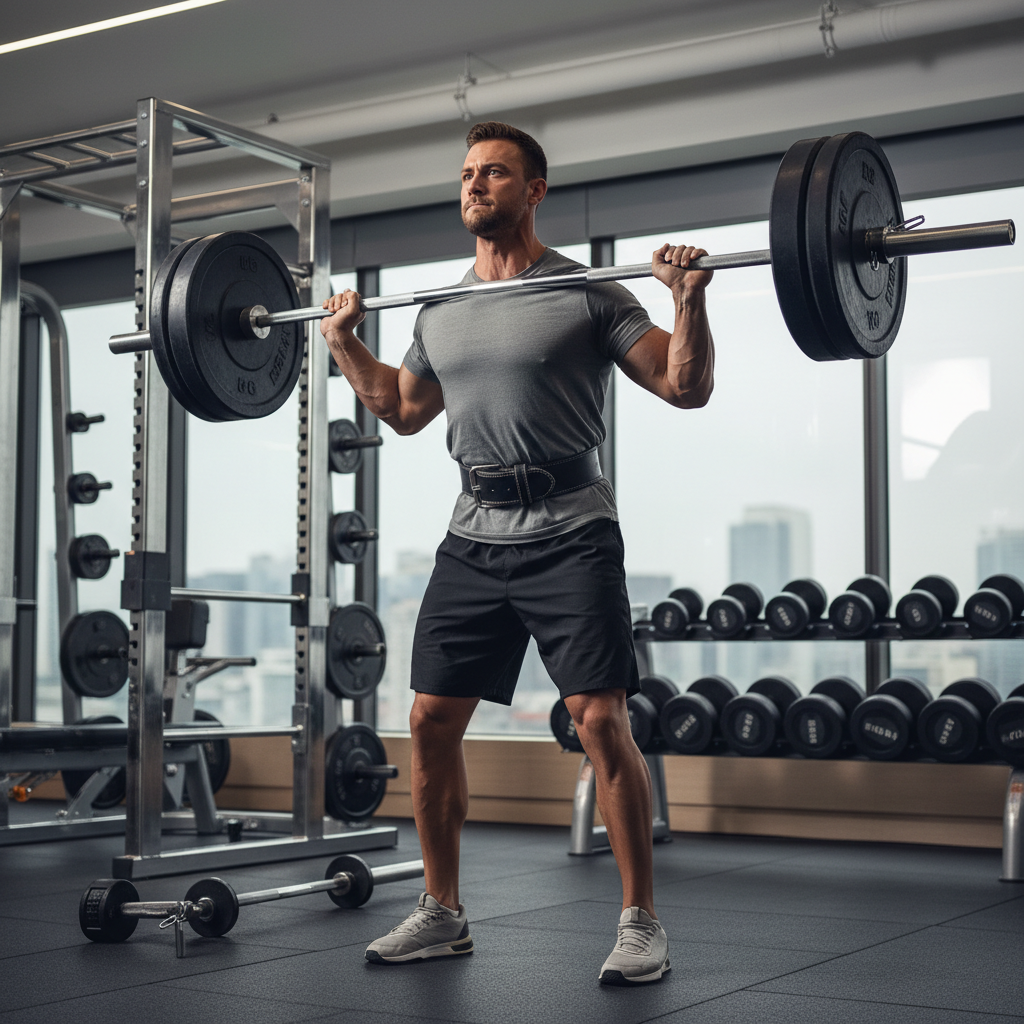
One quick caveat: a belt is not a back brace in the medical sense, and it will not “fix” poor bracing or painful movement patterns. According to NSCA (National Strength and Conditioning Association) guidance on resistance training equipment, belts may help with trunk stability during heavy lifts, but they should be used with proper technique and programming, not as a shortcut.
What “support” really means with a lifting belt
When people say support, they often mean “my lower back feels safer.” In practice, a belt mainly gives your core something to press against. You create intra-abdominal pressure by bracing your trunk, and the belt can make that pressure easier to generate and maintain through the rep.
So the belt is a tool for better bracing, not a replacement for it. If you breathe shallow, flare your ribs, or lose your brace at the bottom of a squat, a pricey belt can still feel useless.
- Good support feels like even, firm contact all the way around your torso.
- Bad support feels like the belt only digs in at one spot, shifts, or blocks your breathing.
- Different lifts change where you need room: deadlifts often want more hip crease clearance, squats often want more “all-around” rigidity.
Choosing the best weight lifting belt for support: the main variables
You can narrow the right belt fast if you focus on a few variables that actually change how support feels.
1) Belt width: 4-inch vs 3-inch
A 4-inch belt is the common pick for squats because it covers more surface area and can feel more “locked in.” A 3-inch belt often works better for shorter torsos or deadlifts where hip hinge depth makes a wider belt jam into ribs or thighs.
- Go 4-inch if you squat heavy and have room between ribs and hip bones.
- Go 3-inch if you deadlift a lot, feel pinching, or have a shorter torso.
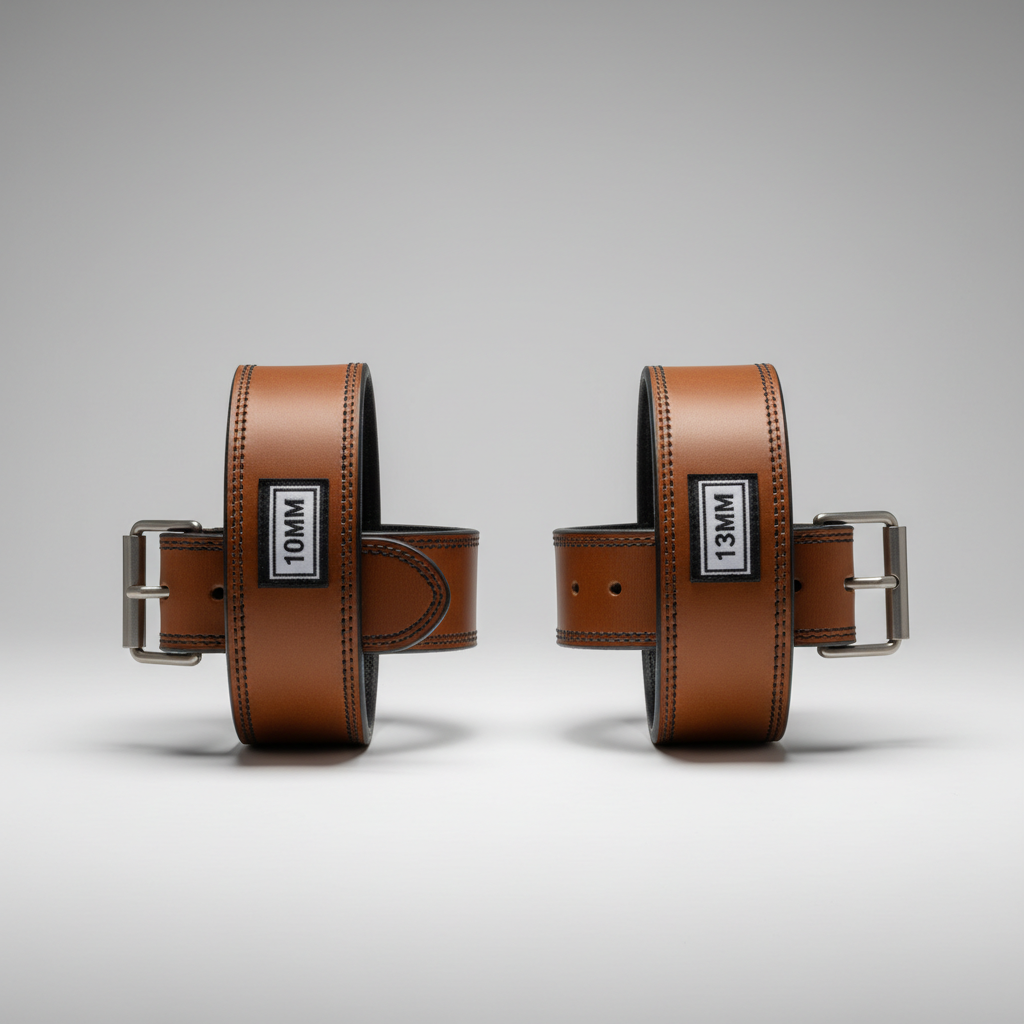
2) Thickness: 10mm vs 13mm (and why thicker isn’t always better)
Thicker belts can feel more rigid, which some lifters love for maximal attempts. But if a belt is too stiff for your body, you may brace worse because you cannot get comfortable breathing and expanding into it.
- 10mm is a very common “sweet spot” for support and comfort.
- 13mm can be great for advanced lifters, but it often needs break-in and may feel bulky for deadlifts.
3) Material: leather vs nylon
Leather belts usually provide more rigid support and consistent pressure once broken in. Nylon belts tend to be more comfortable, easier to adjust quickly, and friendlier for conditioning or mixed workouts.
- Leather: better for heavy barbell work, predictable feel, longer break-in.
- Nylon: flexible, quick on/off, good if you hate feeling “boxed in.”
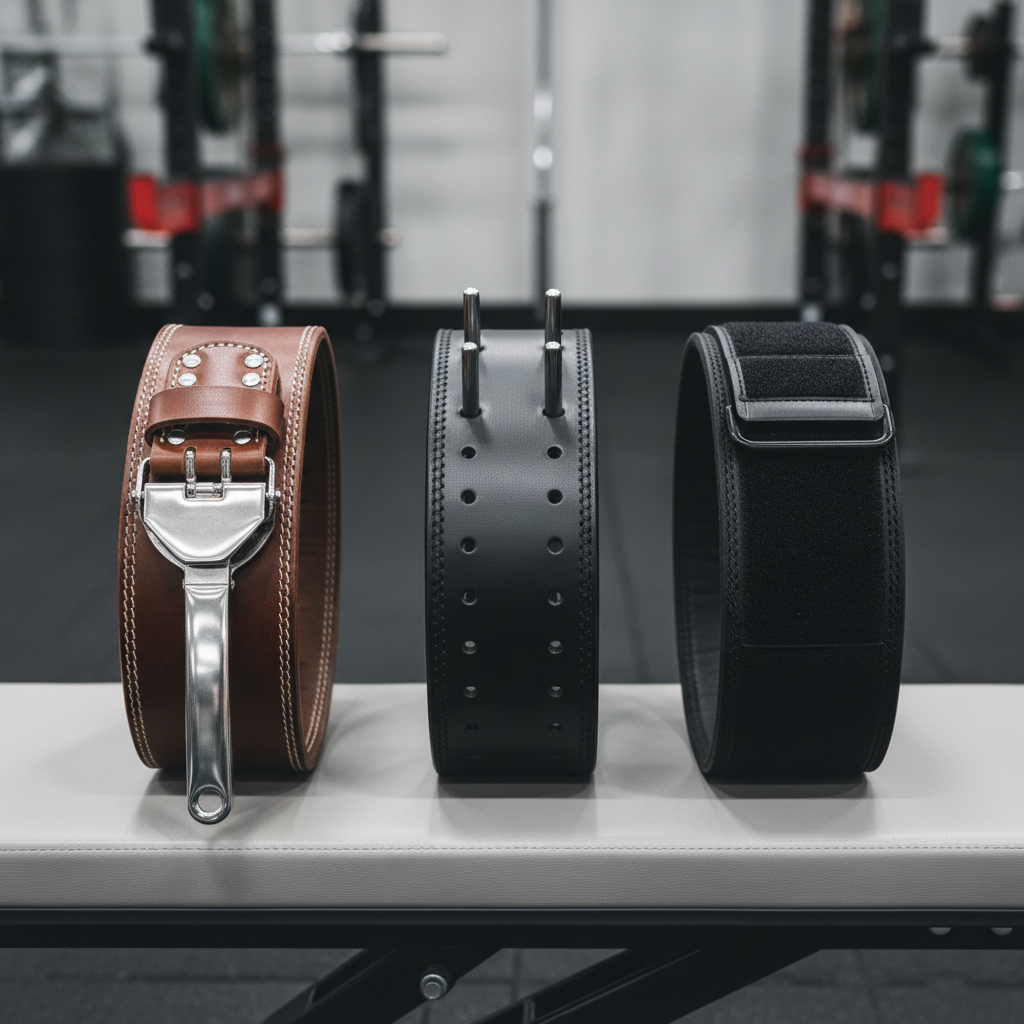
4) Closure: lever vs prong vs velcro
Closure changes day-to-day usability more than most people expect.
- Lever: fast and consistent tightness, great for strength blocks, less flexible for small tightness changes unless you adjust the lever position.
- Single/double prong: slower, but flexible and simple to maintain.
- Velcro (typical nylon): very adjustable, but may lose grip over time depending on build quality and use.
Quick self-check: which belt style fits your training?
If you want the best belt for support, match it to how you train most weeks, not how you wish you trained.
- Mostly squats, low-bar or high-bar, plus heavy accessories: 4-inch leather belt, around 10mm (13mm if you already like very stiff gear).
- Mostly deadlifts and hinges: 3-inch leather belt or a tapered belt, usually 10mm for comfort at the hip crease.
- Cross-training, garage gym circuits, or lots of machines: nylon belt with velcro for quick adjustments.
- Beginner learning bracing: start with something comfortable (often 10mm leather or nylon) so you actually practice bracing instead of fighting the belt.
Also be honest about torso shape. If you frequently feel rib pinch or bruising, it’s rarely a “you’re just weak” problem, it’s often width, placement, or tightness that needs a change.
Fit and sizing: where most “support” gets lost
A weight lifting belt can be perfect on paper and still feel wrong if sizing or placement misses. Many lifters buy based on pants size, then wonder why the belt rides up.
How tight should it be?
Support usually improves when the belt is snug but you can still take a deep breath into your belly and sides. If you cannot inhale, you cannot brace well. If it’s so loose you can spin it around your torso, it won’t do much.
Where should it sit?
- Squat: often slightly higher, so you can expand 360 degrees into the belt without your hips smashing it at depth.
- Deadlift: often slightly lower or angled for hinge comfort, keeping space for the hip crease.
If you’re between sizes, many people do better choosing based on measured waist at the level you wear the belt, not where jeans sit. And if you plan to cut or bulk, pick a size range that gives you room in both directions.
Best belt “types” for support (with a practical comparison table)
Instead of naming a single product, it’s usually more reliable to pick the right type. Brands vary year to year, but the logic stays stable.
| Type | Best for | Support feel | Trade-offs |
|---|---|---|---|
| 4-inch, 10mm leather (single prong) | General strength, squat-focused programs | Firm, balanced, easier break-in than 13mm | Slower to tighten than lever |
| 4-inch, 13mm leather (lever) | Max strength, consistent top sets | Very rigid, “locked-in” feel | Stiff, can be uncomfortable for deadlifts |
| 3-inch leather (10mm) | Deadlifts, short torsos | Solid support without hip pinch | Less surface area for squats |
| Nylon velcro belt | Mixed training, quick transitions | Moderate, comfortable, very adjustable | Typically less rigid under near-max loads |
| Tapered belt | Comfort-first lifters, some deadlift styles | Support where you need it, less rib/hip conflict | Not ideal if you want uniform pressure all around |
How to use a belt for real support (step-by-step)
This is the part people skip, then blame the belt. If support is your goal, treat belt use like a skill.
Before the set
- Put the belt on and choose a tightness that still allows a deep inhale.
- Take a breath “down and around” into your belly and sides, then brace like someone is about to poke you.
- Check that the belt stays in place when you hinge or hit your squat stance.
During the rep
- Maintain pressure into the belt through the hardest range, many lifters lose it at the bottom.
- If you reset between reps, take another breath and re-brace, don’t rush.
Programming tip (so you don’t become belt-dependent)
Keep some lighter work beltless to build bracing skill and trunk endurance, then use the belt for heavier sets where technique tends to degrade. According to ACSM (American College of Sports Medicine) principles for resistance training, progressive overload and good form matter most; equipment should support those basics, not replace them.
Common mistakes that make a belt feel “unsupportive”
- Buying too stiff too soon: if you cannot breathe and expand, support drops.
- Wearing it in the wrong spot: a small height change can stop rib or hip pinching.
- Over-tightening: discomfort often causes a weaker brace and rushed reps.
- Using it on every set: you may avoid learning consistent bracing cues.
- Expecting pain relief: if you lift with pain, it’s smarter to adjust load and technique and consider professional guidance.
When to get coaching or medical input
If you feel sharp back pain, numbness, radiating symptoms, or pain that worsens week to week, a belt is not the next step. In many cases, it’s better to pause heavy training and talk with a qualified clinician, and a coach can help check bracing mechanics, bar path, and load selection.
If your issue is mainly “I can’t feel support no matter what,” a good coach can often fix it in minutes by adjusting belt height and your breathing pattern. It’s a small tweak, but it changes everything.
Key takeaways (so you can choose fast)
- Support comes from your brace pressing into the belt, not from the belt alone.
- Most lifters do well with a 10mm leather belt for balanced support and comfort.
- Pick 4-inch for squat focus, 3-inch for deadlift comfort or shorter torsos.
- Lever is convenient, prong is flexible, nylon is comfortable for mixed sessions.
Conclusion: picking the best belt for support without overthinking it
The best weight lifting belt for support is the one that lets you brace hard, breathe well, and repeat the same setup every session. For many people that ends up being a 10mm leather belt in the right width, with a closure you’ll actually use consistently.
If you want a simple next step, measure your waist where you wear the belt, pick the belt type based on your main lift, then spend a week practicing belt placement and bracing on submax sets before you judge “support.”
FAQ
What is the best weight lifting belt for lower back support?
A belt can feel like it supports the low back because it improves trunk stiffness, but it mainly supports your brace. If you want that “stable” feeling, many lifters prefer a 10mm leather belt with consistent width, sized correctly and worn in a comfortable position.
Should beginners use a weight lifting belt?
Beginners can use one, but it’s usually smarter to learn bracing beltless first, then add a belt on heavier sets. If you start with a very stiff belt, it may slow learning because breathing and bracing feel awkward.
Is a 13mm belt better than a 10mm belt for support?
Not automatically. A 13mm belt can feel more rigid, but if it limits your breathing or digs into ribs and hips, support may actually feel worse. Comfort and consistent bracing tend to win long term.
What belt width is best for deadlifts?
Many deadlifters prefer a 3-inch belt or a tapered design because it leaves room at the hip crease. If a 4-inch belt works for your torso length and pulling style, it can still be fine, but pinching is a common sign to size down in width.
How tight should a weight lifting belt be for squats?
Tight enough that you can expand into it and feel even pressure, but not so tight that you cannot take a deep breath. If you need to loosen it mid-set to breathe, it’s usually too tight.
Can I wear a belt for every set?
You can, but many lifters keep warm-ups and lighter volume beltless to build trunk endurance and avoid relying on the belt for basic stability. Using it for top sets and heavy back-off sets is a common compromise.
Do nylon belts provide enough support for heavy lifting?
For some people and some loads, yes, especially if they value comfort and quick adjustments. For near-max squats and deadlifts, leather often feels more supportive because it stays rigid under high pressure.
If you’re trying to choose a weight lifting belt without buying twice, start by matching belt width and thickness to your main lift, then prioritize fit and comfort over hype, because the “best support” is the belt you can brace into every time.