
Outdoor workout ideas are often the fastest way to make exercise feel less like a chore, especially if you’re bored with the same indoor routine or struggling to stay consistent.
Fresh air changes the whole mood, but the real win is practical, you can build strength, stamina, and mobility with very little gear, and you can scale almost everything for beginners through advanced athletes.
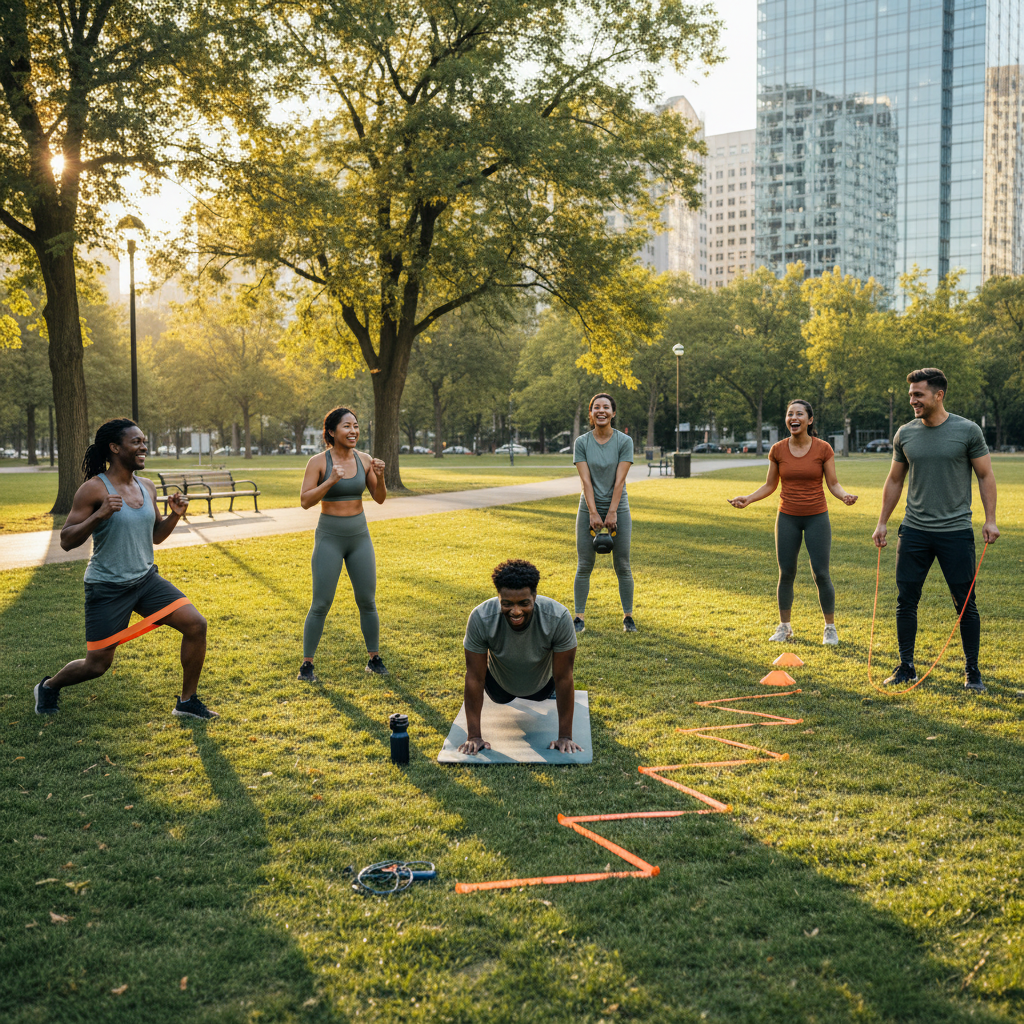
This guide focuses on ideas you can actually use, not just a list of trendy workouts, you’ll get quick ways to choose the right session, simple plans, and the safety details many people skip until something hurts.
Why outdoor workouts feel easier to stick with
Motivation is usually the real problem, not knowledge. A change in environment can reduce the “ugh, I have to work out” feeling because your brain treats it more like an activity than a task.
- Built-in variety: hills, benches, stairs, trails, and uneven ground add challenge without extra equipment.
- Shorter mental distance: walking to a nearby park often feels easier than “going to the gym.”
- Natural pacing: routes create clear start/finish points, which helps consistency.
- Mood boost: According to the Centers for Disease Control and Prevention (CDC), regular physical activity supports mental health, including reducing anxiety and depression symptoms for many people.
That said, “outdoor” is not automatically better, if you live with poor air quality, unsafe sidewalks, or extreme heat, indoor training may be the smarter call on certain days.
A quick self-check to pick the right outdoor session
Before you pick from any outdoor workout ideas, decide what kind of day it is, the best plan is the one you’ll finish.
Answer these in 60 seconds
- Time: 15–20 minutes, 30–45 minutes, or 60+?
- Goal today: fat loss, strength, endurance, stress relief, or skill practice?
- Impact tolerance: are your knees/ankles happy with running and jumping?
- Space: sidewalk loop, track, trail, or park with benches?
- Weather: heat, cold, wind, rain chances, and shade availability?
If you’re coming back from injury, postpartum recovery, or managing a chronic condition, it’s usually worth checking with a clinician or qualified trainer, small changes in intensity can matter.
Fun outdoor workout ideas you can do almost anywhere
You don’t need to “train like an athlete” to get results, you need a repeatable structure. Mix one strength-focused option with one conditioning option each week and rotate so you don’t burn out.
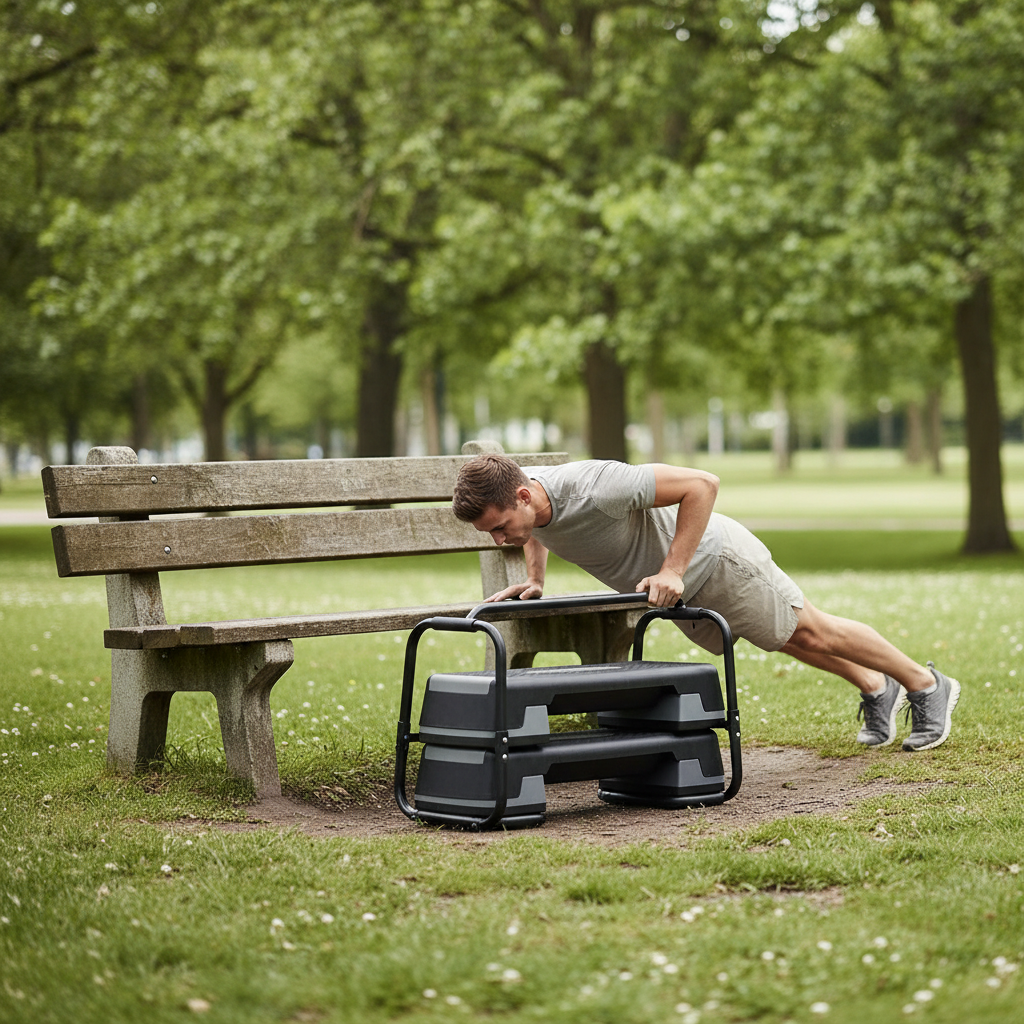
1) The “bench and sidewalk” strength circuit (20–35 minutes)
- Incline push-ups on bench: 8–15 reps
- Step-ups: 8–12 reps per side
- Bench triceps dips (skip if shoulders complain): 6–12 reps
- Walking lunges: 10–20 steps
- Plank or dead bug on a mat/towel: 30–45 seconds
Do 3–5 rounds, rest as needed, keep reps smooth. If you want more intensity, slow the lowering phase instead of adding sloppy speed.
2) “Landmark intervals” walk-run (25–40 minutes)
Pick landmarks, light poles, mailboxes, or park signs, and alternate effort.
- Jog to the next landmark, then walk to the following one
- Repeat 10–20 cycles
This works well because it removes constant clock-checking, and it’s easy to dial up or down.
3) Trail hike with a goal, not a pace
Hiking counts, especially with elevation. Set a simple target like “45 minutes out-and-back” or “reach the overlook.” Bring water, and if you’re on technical trails, prioritize stable footing over speed.
4) Playground workout (off-hours) that doesn’t feel like a workout
- Monkey bars or assisted hangs: 10–30 seconds
- Box/park steps: controlled step-ups, 8–12 per side
- Bear crawl on grass: 10–20 yards
- Farmer carry with a backpack: 30–60 seconds
Keep it respectful, avoid busy times, wipe surfaces if you want, and don’t do anything that puts kids at risk.
5) “Games disguised as cardio”
- Frisbee or catch with short sprints between throws
- Basketball shooting + “make 5, jog a lap” rule
- Tennis/pickleball doubles for steady movement
If you hate running, this is often the loophole that keeps you active for months.
Sample weekly plan (mix and match)
Here’s a simple structure many people can sustain. Adjust frequency based on recovery, sleep, and how your joints feel.
| Day | Workout | Time | Intensity |
|---|---|---|---|
| Mon | Bench & sidewalk strength circuit | 25–35 min | Moderate |
| Tue | Easy walk or hike | 30–60 min | Easy |
| Wed | Landmark intervals (walk-run) | 25–40 min | Moderate-hard |
| Thu | Mobility + light core outside | 15–25 min | Easy |
| Fri | Play-based cardio (basketball/frisbee) | 30–45 min | Moderate |
| Sat | Longer hike or relaxed bike ride | 45–90 min | Easy-moderate |
| Sun | Rest or gentle walk | 10–30 min | Very easy |
If you want progress without overthinking, pick two “non-negotiable” days and treat everything else as a bonus.
Make it practical: warm-up, pacing, and tiny upgrades
Outdoor sessions can trick you into doing too much too soon, because the vibe feels easy. A short warm-up and clear pacing keep you consistent.
Simple 5–7 minute warm-up
- Easy walk: 2 minutes
- Leg swings or marching: 1 minute
- Bodyweight squats: 8–10 reps
- Arm circles + shoulder blades squeezes: 30–45 seconds
- Gentle jog or fast walk: 1–2 minutes
Tiny upgrades that add challenge without “more punishment”
- Bring a light resistance band for rows, pull-aparts, and glute work
- Use a loaded backpack for walks, keep it stable and start light
- Choose hills for intervals, easier on joints than sprinting flat-out for some people
According to the American College of Sports Medicine (ACSM), gradual progression helps reduce injury risk, in real life that often means adding time or intensity in small steps, not doubling your workload in week two.
Safety and common mistakes (the stuff that derails people)

Outdoor training adds variables you can’t control, so plan for them instead of pretending they don’t exist.
- Heat and humidity: you may need slower paces, more water, and more shade, especially midday.
- Air quality: if conditions look poor, consider indoor alternatives or a lighter session.
- Footwear mismatch: trail running shoes on pavement can feel odd, and slick soles on wet paths can be risky.
- “Weekend warrior” volume: cramming all activity into Saturday often leads to aches by Monday.
- Ignoring pain signals: sharp pain, swelling, or pain that changes your gait is a stop sign, not a mindset issue.
And a small social note, if you’re using a park bench or stairs, avoid blocking paths, share space, keep the music low, it prevents the awkward “are we in the way?” tension.
When it makes sense to get professional help
Most people can try outdoor workout ideas safely with sensible intensity, but there are situations where a bit of guidance saves a lot of frustration.
- Recurring knee, hip, back, or shoulder pain during or after sessions
- History of heart or respiratory issues, or new symptoms like chest pain, dizziness, unusual shortness of breath
- Post-injury return to running or jumping
- Uncertainty about form for movements like dips, plyometrics, or loaded carries
In those cases, consider a physical therapist, sports medicine clinician, or certified trainer, they can help you adjust volume, technique, and progressions based on your situation.
Key takeaways to keep outdoor workouts fun
- Pick one strength circuit and one cardio option, rotate weekly so you stay interested.
- Plan around reality, time, weather, and joint tolerance matter more than “perfect programming.”
- Progress slowly, add a little time or a little intensity, not both every session.
- Make it social or game-like if motivation drops fast when you train alone.
If you want a simple next step, choose two sessions for this week, put them on your calendar, and keep them short enough that you can’t talk yourself out of going.
FAQ
What are the best outdoor workout ideas if I only have 15 minutes?
A quick walk-run interval or a 3-round bench circuit works well. Keep transitions tight, and aim for “done” over “destroyed,” consistency matters more than one hard session.
How do I work out outside without equipment?
Use benches, stairs, and bodyweight basics, squats, lunges, push-ups, planks, and hill walks. If you want one add-on, a mini resistance band is small but useful.
Are outdoor workouts good for weight loss?
They can be, mainly because people often stick with them longer. Weight loss still depends on overall habits like diet, sleep, and total weekly activity, so treat workouts as one piece of the puzzle.
What if I feel self-conscious exercising in public?
Early mornings, quieter trails, or a corner of a park help. Also, structured plans reduce the “what am I doing?” feeling, when you know your next set, confidence usually follows.
Is it safe to exercise outside in hot weather?
It can be, but it depends on heat, humidity, and your health. Start easier than you think, hydrate, use shade, and if you feel dizzy or nauseated, stop and cool down, when in doubt, ask a professional.
How often should I do outdoor workouts each week?
For many people, 3–5 days is realistic if intensity varies. Two harder sessions plus a couple easy walks is a solid baseline that doesn’t beat you up.
What’s a good outdoor workout idea for couples or friends?
Try a simple circuit where you alternate stations, or play-based cardio like frisbee, basketball, or pickleball. The best choice is the one both people genuinely enjoy.
If you’re trying to turn these outdoor workout ideas into a routine, not just a one-off weekend burst, it may help to start with a repeatable two-day template and build from there, you’ll spend less time planning and more time actually getting outside.