
Yoga meditation practice can be a practical, low-cost way to support mental health when stress, anxious thoughts, or emotional fatigue start running your day. It will not “fix everything,” and it should not replace professional care when you need it, but it can give you a steadier baseline to work from.
A lot of people quit early because they expect instant calm, or they copy an intense routine they saw online and end up more frustrated than relaxed. The better approach is smaller and more consistent: a few poses, a few minutes of breath, a short sit, repeated often enough that your nervous system starts to trust it.
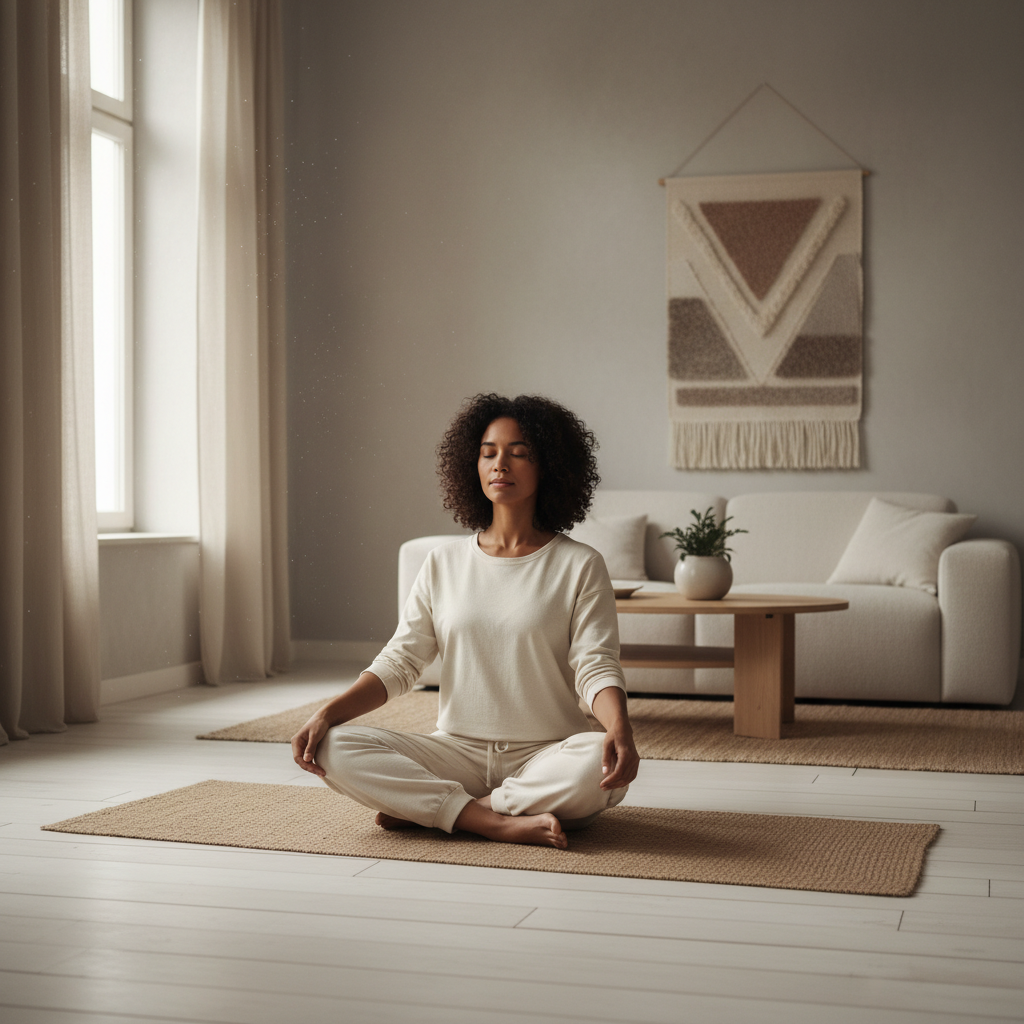
This guide breaks down what tends to help most, how to choose a style that matches your mental state, and how to build a routine that feels realistic on busy weeks, not just ideal weeks.
Why yoga and meditation can help mental health (and what “help” really means)
Most mental health benefits from yoga and meditation come from repeatable, simple mechanisms: downshifting the stress response, improving body awareness, and training attention so thoughts feel less like a runaway train.
- Stress response regulation: gentle movement and paced breathing can nudge the body toward “rest and digest,” which may lower the intensity of stress symptoms for many people.
- Interoception: noticing internal sensations, like tension in the chest or jaw, gives earlier signals that you’re getting overwhelmed.
- Attention training: meditation does not delete thoughts, it changes your relationship to them, so rumination can feel less sticky.
According to National Center for Complementary and Integrative Health (NCCIH), mind and body practices such as yoga and meditation are commonly used for stress management and overall wellbeing, and research continues to examine how they may affect health outcomes.
Common reasons a yoga meditation routine “doesn’t work”
If you tried a yoga meditation practice and felt nothing, or felt worse, you’re not alone. In real life, the issue is often mismatch, not failure.
- Too intense, too soon: power flows can be energizing, but when anxiety runs high, they may feel like fuel on the fire.
- Silence feels unsafe: for people with trauma history or panic symptoms, closing eyes and going inward can spike discomfort.
- All-or-nothing expectations: “If I can’t do 30 minutes, why bother” is a classic motivation trap.
- No anchor: doing random videos without a simple structure makes it hard to build a habit.
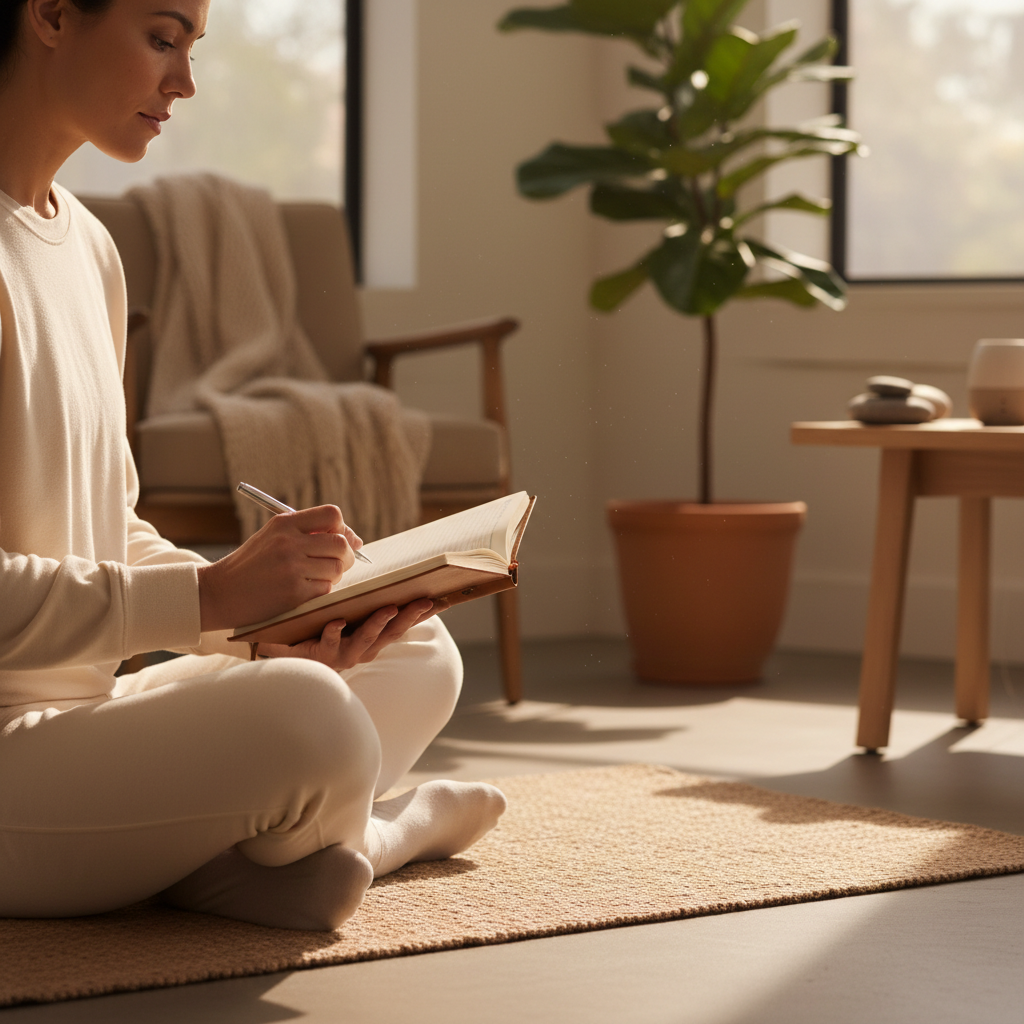
Also, meditation sometimes surfaces feelings you have been pushing down. That can still be progress, but if it feels destabilizing, it’s a sign to adjust intensity, shorten sessions, or get support.
Quick self-check: what do you need most right now?
Before picking a routine, get specific about what you want. Different goals often need different “doses.”
- If you feel anxious or keyed up: choose slower yoga, longer exhales, grounding sensations, eyes open if needed.
- If you feel low, numb, or unmotivated: pick gentle-but-energizing movement, brighter posture, slightly faster pacing.
- If your mind races at night: go for down-regulating breath, supported poses, short body scan.
- If you feel emotionally overwhelmed: prioritize safety, small time blocks, and a predictable sequence.
Key point: the “best” plan is the one your nervous system tolerates today. You can build intensity later.
Pick the right combination: yoga, breathwork, meditation
People often treat these as separate hobbies. For mental health, they work well as a small stack: move, breathe, sit. Here’s a practical way to choose.
Yoga styles (mental health-friendly cues)
- Restorative or Yin: slower, supported shapes, often useful for stress and sleep.
- Hatha (gentle): simple poses with pauses, good for beginners who get overwhelmed by fast flows.
- Slow Flow: rhythmic movement without intensity spikes, helpful when you want calm plus a little heat.
Meditation types (what they feel like in practice)
- Breath-focused: attention on inhale/exhale, simple and portable.
- Body scan: systematic attention through body areas, often good for tension awareness.
- Loving-kindness: supportive when self-criticism runs loud, though it can feel awkward at first.
According to American Psychological Association (APA), mindfulness practices are widely used to help people relate differently to stress and difficult thoughts, and they may be incorporated into evidence-based approaches in some settings.
A simple 20-minute plan you can repeat (plus shorter options)
This is a realistic template for a yoga meditation practice that supports mental health without taking over your schedule. Adjust around injuries, mobility limits, and medical guidance when relevant.
The 20-minute “steady day” routine
- 2 minutes: sit or stand, feel feet, name your current state in plain words (e.g., “wired,” “sad,” “foggy”).
- 10 minutes yoga: cat-cow, child’s pose, low lunge, gentle twist, legs-up-the-wall or savasana.
- 3 minutes breath: slow nasal breathing, slightly longer exhales (skip breath retention if it makes you dizzy).
- 5 minutes meditation: breath focus or body scan, eyes open or closed depending on comfort.
Short versions for rough days
- 5 minutes: legs-up-the-wall + slow exhale breathing.
- 8 minutes: three gentle poses + 2-minute sit.
- 12 minutes: slow flow + short body scan in savasana.
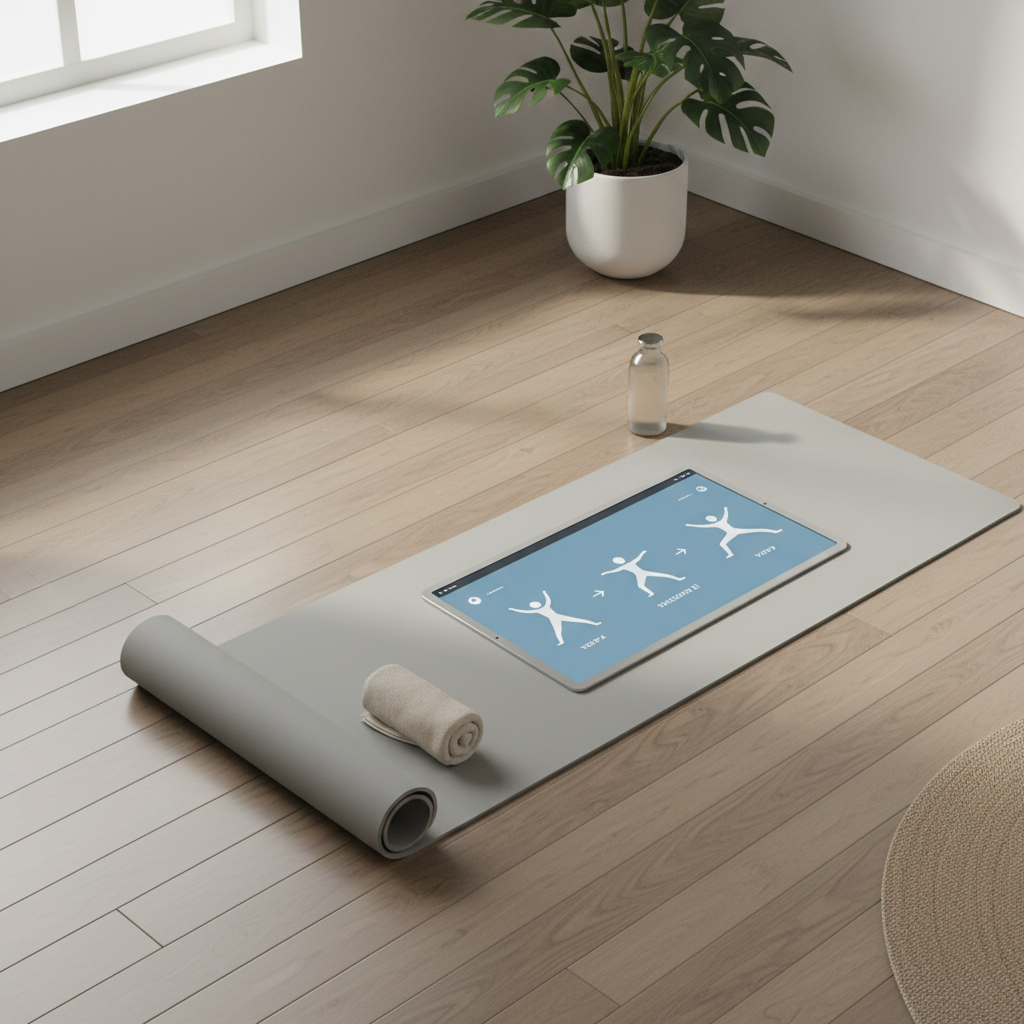
If you only do one thing consistently, keep the ending. A short sit or rest trains your system to recognize “done,” which matters more than people think.
What to do when anxiety, trauma symptoms, or depression are part of the picture
Mental health is not one-size-fits-all. Some practices that soothe one person can activate another, especially with trauma history, panic disorder, or severe depression.
- Keep eyes open: soft gaze reduces the “floating away” feeling.
- Choose external anchors: sound, a candle flame, or counting breaths can feel safer than deep internal focus.
- Stay with neutral sensations: feet on floor, hands on thighs, pressure points, instead of scanning chest if that triggers panic.
- Shorten the sit: 60–120 seconds still counts, especially when you return tomorrow.
According to Substance Abuse and Mental Health Services Administration (SAMHSA), trauma-informed care emphasizes safety, choice, and empowerment, which translates well to how you structure mindfulness and movement.
Practical tracking: how to know it’s helping (without obsessing)
You do not need complicated metrics, but you do need a way to notice change. Many people miss progress because they only look for “I felt calm,” and that’s too narrow.
Try a 30-second check-in before and after: rate stress from 0–10, note one body area (jaw, shoulders, stomach), and write one word about mood.
| Signal | Often a good sign | May mean adjust |
|---|---|---|
| After practice | Thoughts still present, but less urgent | Agitation, dizziness, or feeling “spaced out” |
| Over the week | Faster recovery after stress | More avoidance, more rumination |
| Sleep | Easier to wind down, fewer spikes | Bedtime practice increases alertness |
| Motivation | Small tasks feel more doable | Practice becomes another source of pressure |
Key takeaway: you’re aiming for better regulation, not permanent bliss. Most weeks look imperfect.
Common mistakes and safety notes (worth reading)
This is the unglamorous part, but it prevents backslides.
- Forcing flexibility: chasing deep stretches can trigger pain and stress, use props and back off early.
- Overdoing breathwork: aggressive techniques can increase anxiety in some people, keep breathing smooth and comfortable.
- Ignoring mental health red flags: if practice brings intense distress, intrusive memories, or self-harm thoughts, pause and reach out.
- Replacing care that you need: a yoga meditation practice can complement therapy or medication plans, not compete with them.
If you have a medical condition, are pregnant, have glaucoma, uncontrolled blood pressure, or a history of fainting, it’s wise to consult a qualified clinician or a yoga therapist before trying new breathwork or inversions.
Conclusion: build a routine your mind can trust
A yoga meditation practice supports mental health best when it feels safe, repeatable, and flexible enough to survive real weeks. Start smaller than your ambition wants, pay attention to how your body responds, and treat consistency as the main skill you’re training.
If you want a clean starting point, pick one 10–20 minute routine, repeat it for two weeks, and only then decide what to change. That gives you feedback you can actually use.
FAQ
How often should I do a yoga meditation practice for mental health?
Many people do well with 3–5 days per week, but even 5–10 minutes daily can matter if it’s consistent. If you’re already overwhelmed, start with fewer days and build slowly.
Is yoga or meditation better for anxiety?
It depends on what anxiety feels like for you. Gentle movement often helps people who feel restless, while breath-focused meditation can help when thoughts spiral, combining both tends to be more tolerable than long silent sits.
What if meditation makes my thoughts louder?
That’s common early on because you’re noticing what was already there. Try shorter sits, keep eyes open, and use an anchor like counting exhales, if it stays distressing, consider guidance from a therapist or trauma-informed teacher.
Can I do this at night to sleep better?
Often yes, especially restorative poses and longer exhales. If you notice you feel energized after practice, move it earlier and keep nighttime sessions very gentle.
Do I need a yoga class, or is YouTube enough?
YouTube can be enough for basics, but classes can help with form and pacing, especially if pain, injuries, or anxiety spikes show up. If you choose online, look for “gentle,” “restorative,” or “trauma-informed” cues.
How do I know when to seek professional help?
If symptoms interfere with work, relationships, sleep, or safety, or if you have panic attacks, trauma flashbacks, or thoughts of self-harm, it’s a good time to talk with a licensed mental health professional. Practices can support that process, but they should not carry it alone.
If you’re trying to build a yoga meditation practice and keep restarting, you might do better with a simple weekly plan, a short list of “default” sessions for rough days, and a way to match practices to your mood without overthinking.