
women workout clothes feel “wrong” fast when they trap heat, hold sweat, or start sliding mid-set, breathable pieces fix more than comfort, they help you stay focused.
If you’ve ever finished a class feeling overheated, itchy, or weirdly soaked in places that should dry quicker, it’s usually not your fitness level, it’s fabric, construction, and how the outfit handles airflow.
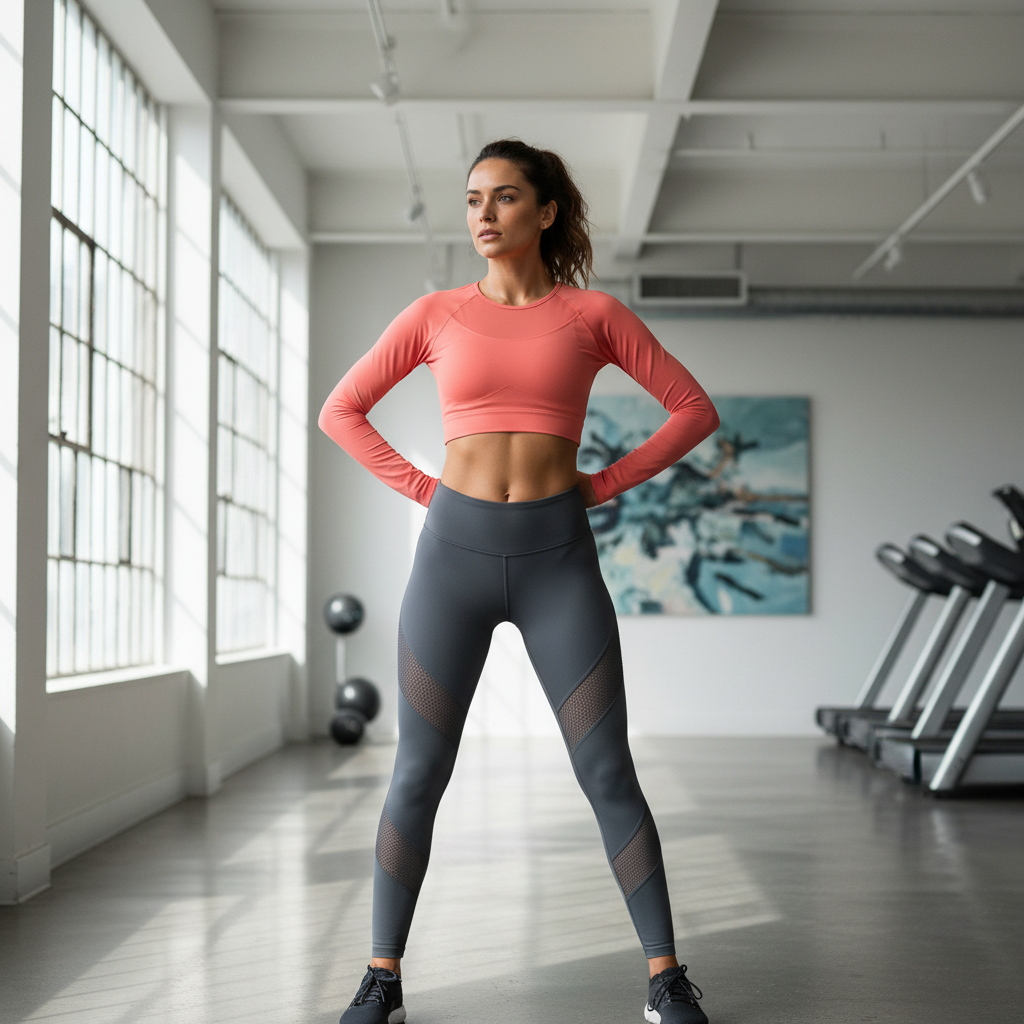
This guide breaks down what “breathable” really means, how to spot it while shopping online, and what to choose for running, strength training, yoga, or hot-weather walks, without pretending one outfit works for everyone.
What “breathable” actually means in workout clothing
Breathability is mostly about how easily heat and moisture vapor move through the fabric, plus how fast the garment stops feeling clammy once you start sweating.
In real life, breathable gear usually combines a few traits, not just one magic fabric.
- Moisture-wicking: pulls sweat off skin so it can evaporate.
- Air permeability: lets air pass through, you feel less “sealed in.”
- Quick-dry: the garment releases moisture faster after you cool down.
- Smart ventilation: mesh or looser weaves placed where you run hot.
According to the American Council on Exercise (ACE), what you wear can influence comfort and heat management during exercise, especially in warm environments, that’s the practical reason breathability matters.
Why women’s workout clothes feel less breathable (common real-world causes)
If your tops feel like plastic wrap or your leggings feel humid on the inside, it often comes down to a few predictable issues.
- High cotton content for high-sweat workouts, cotton can feel great at first, then holds moisture and stays heavy.
- Too much compression everywhere, firm compression can be useful, but full-body “tight-tight” reduces airflow.
- Wrong lining, built-in bras or double-layer shorts can trap heat if the inner layer isn’t breathable.
- Fabric weight is too high, thick “squat-proof” knits can be warmer than you expect, even when they wick.
- Fit mismatch, if fabric bunches in the hip crease, underarms, or behind knees, it rubs and traps sweat.
Many people end up blaming themselves for sweating, but sweat is normal, the gear’s job is to manage it so you’re not distracted.
Quick self-check: what you need based on your workouts
Before you buy another set, it helps to name the exact problem you want to solve, because breathable women workout clothes for running can look different from breathable options for lifting.
- You feel overheated early: prioritize airflow, lighter fabrics, mesh zones, looser tops.
- You feel soaked and stay soaked: prioritize quick-dry synthetics and fewer layers.
- You chafe: prioritize smooth seams, bonded hems, and a fit that doesn’t fold.
- You get “gym odor” fast: consider merino blends or odor-control finishes, wash habits matter too.
- You keep adjusting waistbands: look for higher-rise options with better elastic recovery, not just tighter.
If you’re dealing with heat plus chafe, treat the chafe first, it’s the issue that can ruin consistency fastest.
Fabric and construction: what to look for (and what to be careful with)
Best-performing materials in many cases
- Polyester performance knits: common for a reason, often wick well and dry fast, quality varies by brand and knit.
- Nylon blends: often feel smoother and less “plastic,” can be very durable, sometimes slower to dry than light polyester.
- Merino wool blends: great for odor control and temperature regulation, usually pricier, and not everyone loves the feel.
Construction details that signal breathability
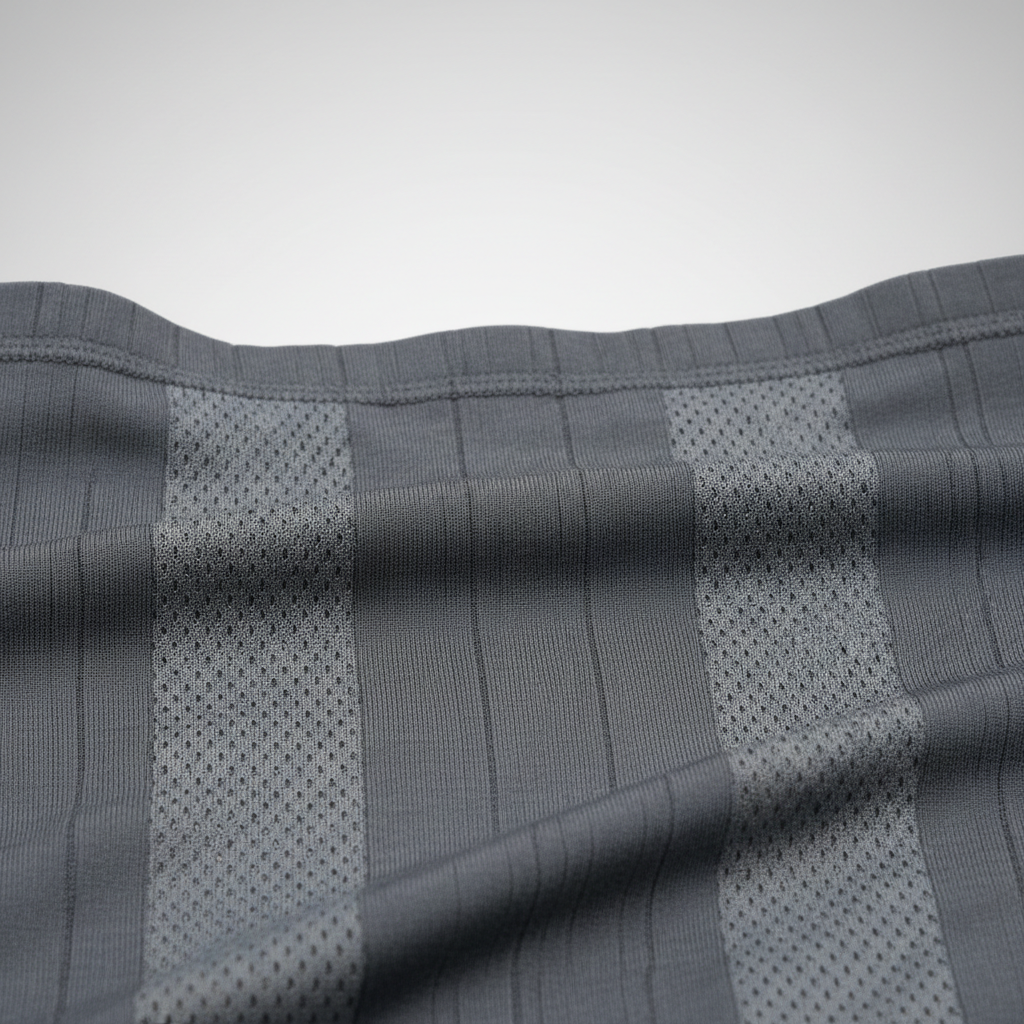
- Mesh placement at upper back, underarms, inner thighs, behind knees.
- Lighter GSM (fabric weight) for hot workouts, you won’t always see GSM listed, but “lightweight” plus reviews help.
- Seams that stay flat, look for “flatlock” or bonded seams to reduce irritation.
- Gussets in leggings, improves movement and can reduce bunching in high-sweat zones.
Things that sound breathable but aren’t always
- “Squat-proof” can mean thicker, which can run warmer.
- “Buttery soft” often means brushed fabric, cozy, sometimes less airy for summer.
- Coated or shiny finishes can reduce airflow, even if they wick.
Best breathable outfit formulas by workout type
Here are a few simple “outfit formulas” that tend to work in the U.S. climate range, adjust for your local humidity and whether you train indoors with strong AC.
Running or incline walking
- Top: lightweight tank or tee with back ventilation
- Bottom: shorts with breathable liner or thin leggings with mesh behind knees
- Extras: brim hat for sun, anti-chafe balm for humid days
Strength training
- Top: slightly looser tee or cropped tank, you want airflow but not constant readjusting
- Sports bra: medium or high support based on movement, choose breathable cups or minimal padding
- Bottom: mid-weight leggings with a gusset, avoid overly thick “winter” knits unless your gym runs cold
Yoga or Pilates
- Top: fitted but not restrictive, so fabric doesn’t fall into your face during inversions
- Bottom: smooth, stretchy leggings, breathability comes from lighter fabric and good moisture management
Hot yoga or high-humidity classes
- Top: minimal, quick-dry, avoid heavy double layers
- Bottom: shorts or thin leggings that dry quickly, consider waistband that won’t roll when damp
For many shoppers, breathable women workout clothes come down to picking the right “weight” for the room you train in, not just the fiber content.
A practical shopping table: pick pieces that match your priorities
If you’re comparing products online, use this as a quick filter so you don’t end up with expensive gear that feels suffocating.
| Priority | Look for | Be cautious with |
|---|---|---|
| Maximum airflow | Mesh panels, lightweight knits, looser tops | Heavy “sculpting” leggings, coated finishes |
| Quick dry | Polyester/nylon blends, thin fabrics, fewer layers | High-cotton blends for sweaty sessions |
| Less chafe | Flat seams, gussets, soft elastic, correct inseam | Rough stitching, tight bands that dig in |
| Odor management | Merino blends, odor-control finishes, easy-care fabrics | Leaving damp gear in a bag, heavy soft brushed knits |
| Support without overheating | Breathable bra fabrics, minimal padding, vented back | Thick molded cups that stay wet |
How to test breathability at home (and make what you own work better)
Not everyone wants to replace a whole drawer, fair. You can learn a lot from two simple tests and a couple habit tweaks.
Two quick tests
- Light test: hold fabric up to light, a tiny bit of transparency in a top often signals better airflow, leggings are trickier because opacity matters.
- Blow test: if you can gently blow air through the fabric, it’s usually more air-permeable, thick brushed knits often fail this.
Small changes that increase comfort
- Rotate tops more often than bottoms, sweat load is higher up top for many people, even if leggings “feel” worse.
- Skip fabric softener, it can reduce wicking in some performance fabrics.
- Wash quickly after sweaty sessions, lingering moisture can worsen odor and fabric funk.
- Choose the right underwear, breathable, seamless options can reduce trapped heat and visible lines.
Key point: if the fabric already runs hot, no laundry trick will turn it into summer gear, but you can still reduce the “stays wet” feeling.
Common mistakes that make breathable gear feel worse
- Buying too small for “support”, tightness can reduce airflow and increase rubbing, support should come from structure, not squeezing.
- Layering without a plan, a breathable top under a non-breathable hoodie still feels swampy.
- Ignoring bra breathability, many overheating complaints start at the bra, not the shirt.
- Assuming price equals performance, some premium pieces focus on feel and aesthetics, not heat release.
- Not matching gear to season, lots of women workout clothes are “all-season” on paper but clearly warmer in practice.
According to the Centers for Disease Control and Prevention (CDC), exercising in heat requires extra attention to hydration and heat illness warning signs, clothing that traps heat can make those situations feel tougher, so it’s worth being cautious.
When it’s worth getting professional help
If overheating, dizziness, or unusual sweating shows up often, it may not be an apparel problem. It can be smart to talk with a clinician, especially if symptoms are new, getting worse, or paired with chest pain, fainting, or shortness of breath.
For fit issues that cause repeated chafing or discomfort, a specialty running store or a trained fitter can help you match bra support, inseam, and sizing across brands, which varies more than most people expect.
Conclusion: a breathable kit is usually a few smart choices, not a whole new wardrobe
Breathable women workout clothes are less about chasing the latest launch and more about matching fabric weight, ventilation, and fit to the way you actually sweat, and where you train. Start with one high-impact swap, usually a lighter top or a more breathable bra, then build from there once you notice what changes.
If you want an easy next step, pick one workout you do most, choose one outfit formula from above, and test it for two weeks, your body will tell you quickly whether it’s a keeper.
FAQ
What fabric is most breathable for women workout clothes?
In many workouts, lightweight polyester or nylon blends feel most breathable because they wick and dry quickly. Merino blends can also feel comfortable, especially if odor control matters, but they cost more and fit varies by brand.
Are cotton workout shirts a bad idea?
Not always. Cotton can work for low-sweat strength sessions or casual walks, but for high-intensity training it often holds moisture and starts feeling heavy, that’s when people feel “stuck” in their shirt.
How can I tell if leggings will feel hot before buying?
Check for fabric descriptions like “midweight” or “brushed,” read reviews that mention heat, and look for mesh zones. If the product emphasizes “sculpting” and “compressive” without ventilation notes, it may run warmer.
Do mesh panels actually help, or is it just style?
Mesh can help if it sits in high-heat areas like upper back or behind knees, and if the mesh is truly open, not just a different knit. Decorative mesh in low-sweat spots won’t change much.
Why do my breathable tops still smell after a few wears?
Odor is often about bacteria plus how long moisture sits in fabric. Washing soon after workouts, avoiding leaving damp gear in a bag, and skipping fabric softener can help, some people also prefer merino blends for this reason.
What should I wear for hot yoga if I overheat easily?
A minimal, quick-dry set usually feels better than layered looks. If you need more coverage, choose thin fabrics and avoid thick padding, and if overheating feels intense or comes with dizziness, consider asking a professional for advice.
How often should I replace workout clothes that have lost breathability?
There isn’t a perfect timeline. If fabric starts staying damp, seams feel rough, or stretch recovery is gone, comfort drops fast, replacing that one problem piece can be more useful than buying a full new set.
If you’re trying to build a breathable rotation without wasting money, it helps to share what workouts you do, typical indoor or outdoor temperatures, and what feels uncomfortable right now, then you can narrow options to a few pieces that actually match your use instead of guessing.