
Sports nutrition basics come down to three things athletes feel immediately: steady energy, solid recovery, and fewer “why do I feel off today?” workouts. If you train hard but your meals feel random, you can end up tired, sore longer than expected, or hungry at inconvenient times, even when your workouts are well-planned.
The good news is you don’t need perfect macros or fancy supplements to improve performance. Most athletes get a lot of benefit from a few repeatable habits: eating enough overall, timing carbs and protein with purpose, hydrating consistently, and adjusting based on training volume, not wishful thinking.
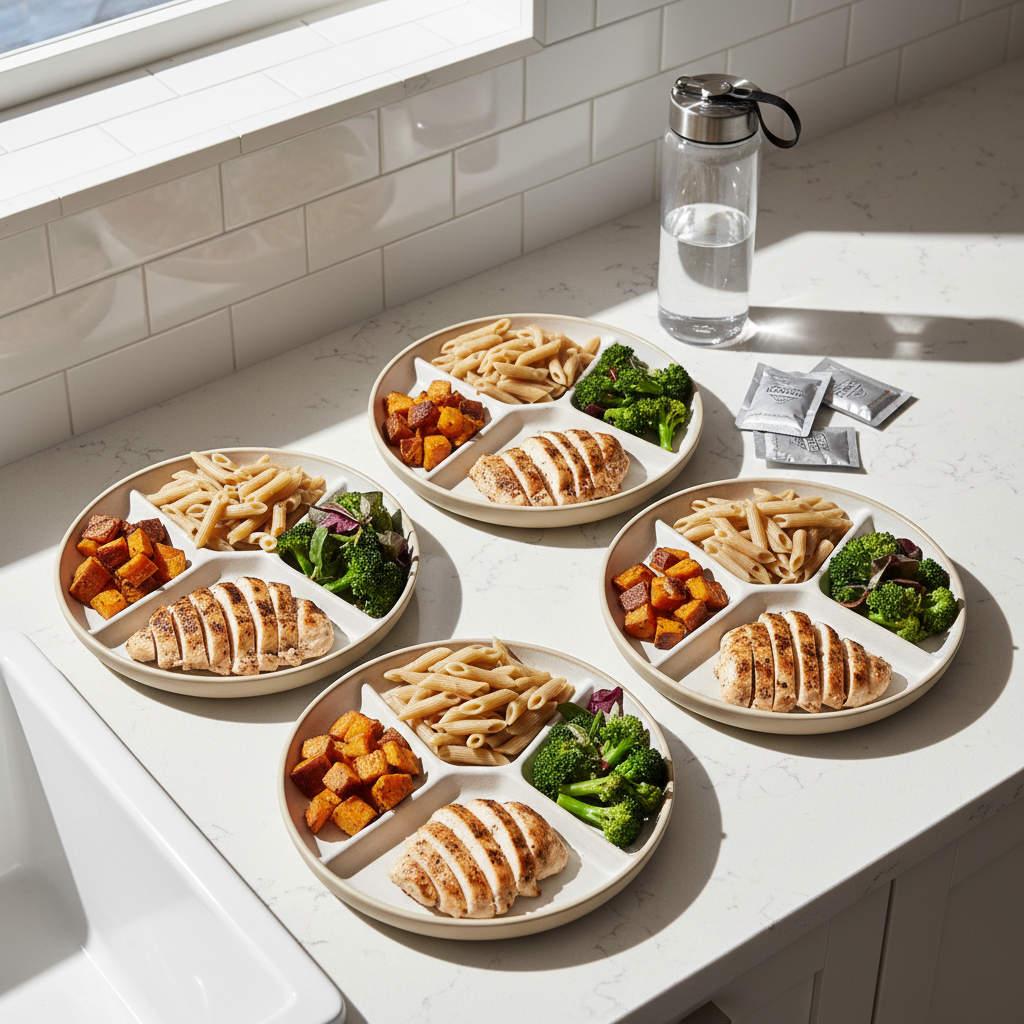
This guide breaks the topic into decisions you can actually make this week: how to build a training-day plate, what to eat around workouts, when hydration becomes a performance limiter, and how to spot when you need more personalized support.
What “basic” really means in sports nutrition
Most people hear “nutrition” and jump straight to details like macro targets or supplement stacks. In real life, the basics are more boring and more effective: consistency, adequacy, and timing. If those three are shaky, the rest becomes noise.
- Consistency: similar fueling patterns most days, so training quality stays predictable.
- Adequacy: enough total calories and carbs to support your workload, plus enough protein to repair tissue.
- Timing: putting carbs, protein, and fluids close to the sessions that need them.
According to the American College of Sports Medicine (ACSM), carbohydrate and fluid needs increase as training duration and intensity rise, and nutrition strategies should match the demands of the event and the athlete. That’s a fancy way of saying: your long run day should not look like your rest day.
Why athletes get stuck (common real-world causes)
When athletes tell me “I eat pretty healthy, but I still feel flat,” it often comes from one of these patterns, not from some mysterious deficiency.
- Under-fueling without realizing it: big training weeks plus “clean eating” can quietly create a calorie gap.
- Carb fear: swapping training fuel for salads and hoping energy shows up anyway.
- Protein scattered randomly: one big serving at dinner, little earlier in the day.
- Hydration that starts too late: trying to “catch up” during practice after a low-fluid day.
- Weekend-warrior swings: light eating Monday–Friday, then huge sessions Saturday and Sunday.
- GI roulette: changing pre-workout foods constantly, so your gut never learns what to tolerate.
Quick self-check: which situation sounds like you?
Use this as a fast diagnostic. You don’t need to “fix everything,” just pick the bucket that matches your main problem and start there.
1) Low energy or bonking
- You feel good for 20–40 minutes, then fade.
- You crave sugar late afternoon, especially on training days.
- You struggle to hit paces/power you used to hold.
2) Slow recovery or constant soreness
- You feel stiff for days after normal sessions.
- You often skip breakfast or train fasted without a plan.
- Your protein comes mostly at dinner.
3) Stomach issues around workouts
- You test new gels/foods on hard days.
- You eat “healthy high fiber” right before training.
- You drink a lot all at once instead of steadily.
4) Weight changes you didn’t intend
- You’re gaining while training more, often from recovery-day overeating.
- You’re losing weight plus performance, often from chronic under-fueling.
If you checked more than one category, that’s normal. Start with the one that impacts training quality the most, then layer in the rest.
The athlete plate: carbs, protein, fats, and “micros” without obsession
Here’s the simplest way to apply sports nutrition basics at meals: build a plate that matches the day. Think in portions and purpose instead of rigid macro math.
| Day type | Carbs (fuel) | Protein (repair) | Fats (satiety) | Veg/fruit (micros + fiber) |
|---|---|---|---|---|
| Hard/long training day | Higher (rice, oats, pasta, potatoes, bread) | Moderate-high (lean meat, dairy, eggs, soy, beans) | Moderate | Normal, not overdoing fiber pre-session |
| Easy/recovery day | Moderate | Moderate-high | Moderate | Higher variety |
| Rest day | Moderate-lower (not zero) | Moderate-high | Moderate | Higher |
According to the Academy of Nutrition and Dietetics, athletes generally benefit from distributing protein intake throughout the day rather than relying on a single large serving. In practice, that often means aiming for a protein source at breakfast and lunch, not just dinner.
Workout fueling: what to eat before, during, and after
This is where athletes feel the payoff quickly. The goal is not “eat perfectly,” it’s to show up fueled and recover fast enough to train again.
Before training (1–4 hours)
- Prioritize carbs you digest well: oats, rice, cereal, bread, bananas, pasta.
- Add some protein if you have time: yogurt, eggs, turkey, tofu.
- Keep fat and fiber lower if you’re prone to GI issues.
Close to training (0–60 minutes)
- If you’re hungry or the session is hard, go small: a banana, applesauce pouch, sports drink, or a simple bar.
- If caffeine works for you, keep the dose conservative, and avoid “testing” new products on race day.
During training (typically relevant for longer/harder sessions)
- Long endurance sessions often benefit from carbs during the workout. Many athletes start with sports drink, gels, chews, or easy foods and adjust based on gut comfort.
- Strength sessions usually need less mid-workout fuel, but fluids still matter.
After training (within a couple hours)
- Combine carbs + protein to refill energy and support muscle repair.
- Don’t overcomplicate it: chocolate milk, rice + chicken, smoothie with milk/soy + fruit, yogurt + granola.
According to the International Society of Sports Nutrition (ISSN), protein supports exercise recovery and training adaptations, and total daily intake matters most, with timing as a helpful secondary lever. That’s why a “good enough” post-workout meal still works, as long as the day overall stays on track.
Hydration basics (and when electrolytes matter)
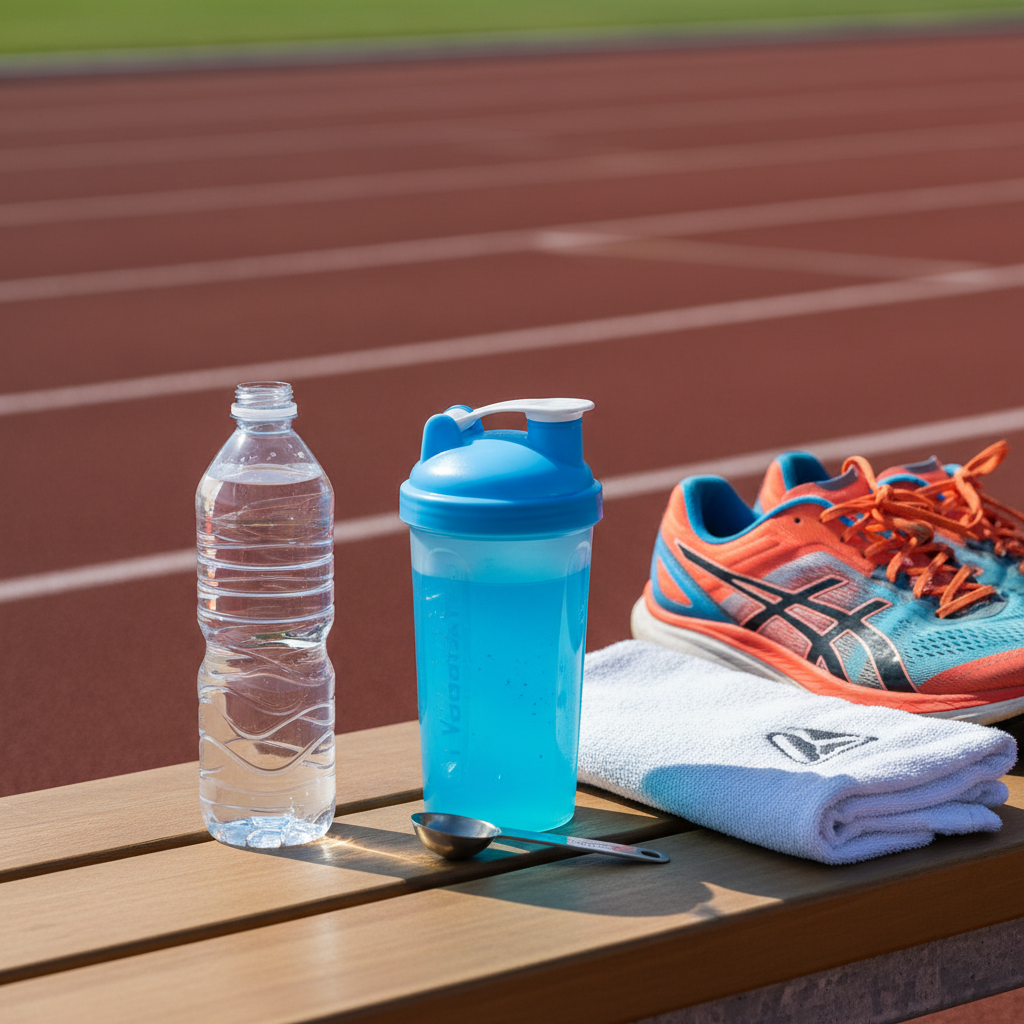
Hydration is one of those topics where people either do nothing or go extreme. The middle path works: drink steadily, replace what you lose, and be more intentional in heat or long sessions.
- Day-to-day baseline: pale yellow urine is a practical cue for many people, though it’s not perfect.
- Pre-session: start workouts already hydrated, not “catching up.”
- Long/hot training: electrolytes can help, especially sodium, since heavy sweating can dilute blood sodium if you only drink water.
- Post-session: rehydrate gradually, pairing fluids with a meal often works better than chugging water alone.
According to the National Athletic Trainers’ Association (NATA), dehydration can impair performance and heat safety, and athletes should use individualized hydration strategies based on sweat rate and conditions. If you cramp often, feel dizzy in heat, or your weight swings dramatically across sessions, it may be worth getting a more specific plan.
Practical weekly plan: make it automatic
The athletes who improve their nutrition fastest usually stop relying on motivation. They build a small system, then repeat it. Here’s a simple way to run that system without turning food into homework.
Pick 3 “default” breakfasts
- Greek yogurt + granola + berries
- Oatmeal + milk/soy milk + banana + peanut butter
- Eggs + toast + fruit
Pick 3 “default” lunches/dinners
- Rice bowl: rice + protein + veggies + sauce
- Pasta night: pasta + meat/beans + marinara + salad
- Taco setup: tortillas + protein + beans + toppings
Choose 2 training snacks that never surprise your stomach
- Banana + sports drink
- Applesauce pouch + pretzels
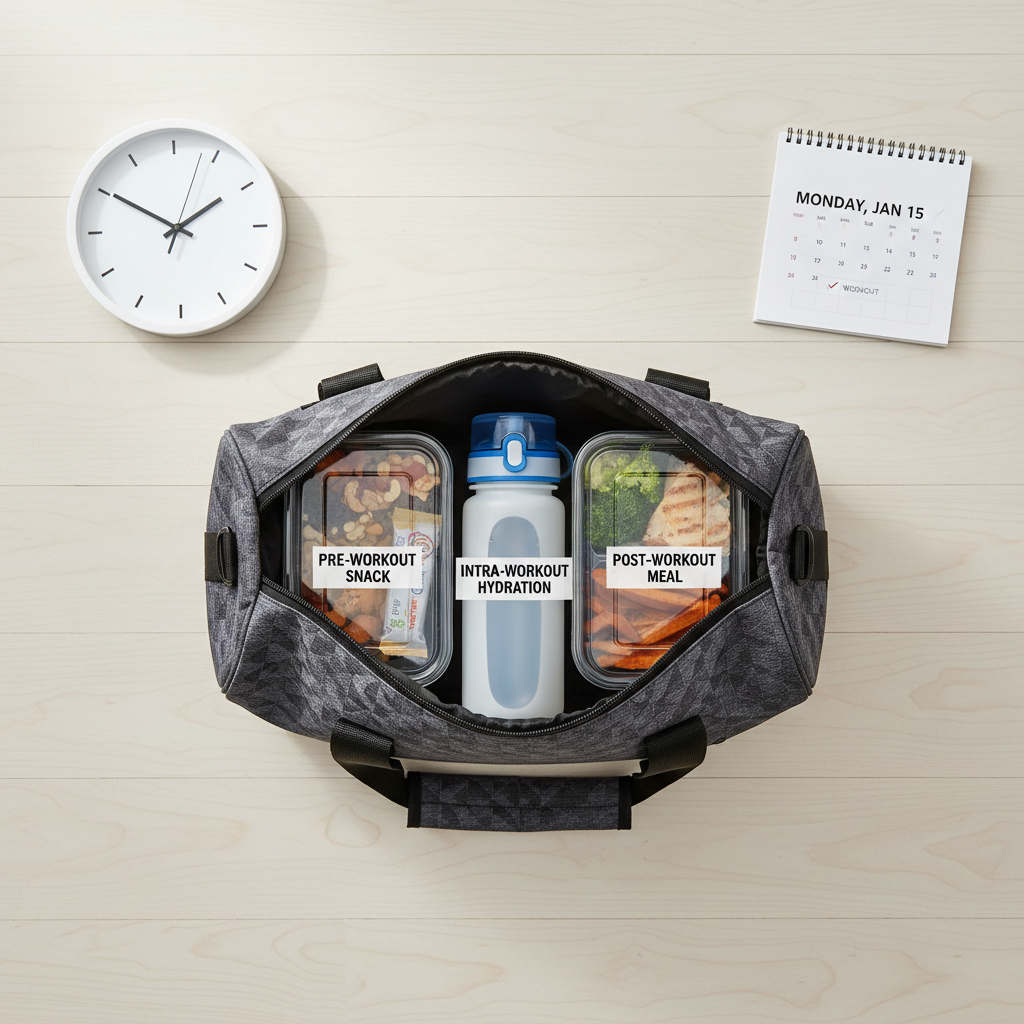
Key takeaway: if your hard days are fueled and your protein shows up at multiple meals, most “random fatigue” problems improve, even before you fine-tune anything else.
Mistakes that look healthy but hurt performance
- Going low-carb by default during high-volume weeks, then wondering why pace and mood drop.
- Skipping breakfast and trying to “make up for it” later, which often turns into under-fueling plus overeating.
- Overdoing fiber right before training, especially in endurance sports.
- Using supplements to replace meals; supplements can support a plan, but rarely fix a weak foundation.
- Copying a pro’s diet without matching their training load, coaching support, and recovery capacity.
Also, if body composition goals are part of your sport, tread carefully. Cutting calories too aggressively can reduce training quality and may increase injury risk. If you’re unsure, a sports dietitian can help you set a plan that respects both performance and health.
Conclusion: keep it simple, then personalize
Sports nutrition basics work best when you treat them like training fundamentals: repeatable, boring, and effective. Eat enough to match your workload, put carbs where performance needs them, spread protein across the day, and stay ahead of hydration, especially in heat and long sessions.
If you want one action to start today, build a reliable pre-workout snack and a post-workout meal you can repeat for two weeks, then adjust based on energy, recovery, and gut comfort. Small consistency beats constant experimenting.
FAQ
What are sports nutrition basics for high school athletes?
Start with regular meals, enough carbs for practice days, and protein at breakfast and lunch, not only dinner. Because teens are still growing, restrictive dieting can backfire, so it’s often smart to involve a parent/guardian and, when possible, a qualified professional.
Do I need to track macros to improve performance?
Usually not. Many athletes improve quickly by fixing meal timing, adding carbs around training, and distributing protein. Macro tracking can help in specific cases, but it can also create stress or inconsistency if you hate doing it.
What should I eat before a morning workout if I can’t handle a big meal?
Keep it small and carb-forward: a banana, toast, applesauce, or a sports drink often sits well. Then plan a real breakfast after training so you don’t spend the day trying to “catch up.”
How do I know if I need electrolytes or just water?
If sessions are long, hot, or very sweaty, electrolytes often help, especially sodium. If you notice headaches, dizziness, heavy salt stains on clothes, or you feel worse when you only drink water, it may be worth testing electrolytes in training and asking a clinician if symptoms persist.
Is protein powder necessary for athletes?
No, it’s optional. It can be convenient when food access is limited, but you can meet protein needs with normal meals like dairy, eggs, meat, soy foods, and beans. If you use powder, choose a reputable brand and treat it as food, not a shortcut.
Why do I feel hungry all the time when I increase training?
That can be normal, because your energy expenditure rises and recovery needs increase. The fix is usually planned snacks and bigger carb portions on training days, rather than trying to “white-knuckle” hunger and then overeating at night.
Should athletes train fasted to burn more fat?
It depends on the sport, session type, and your history with energy availability. Many people see lower workout quality when training fasted, and some athletes should avoid it entirely. If you’re experimenting, keep it for easy sessions and consider guidance from a sports dietitian.
If you’re trying to translate these basics into a routine that fits your sport, schedule, food preferences, and budget, it often helps to get a simple template built around your weekly training plan, then tweak it based on what your body tells you over two to three weeks.