
Gym workout gear matters more than most people think, because the wrong basics can turn a solid training plan into an annoying, inconsistent mess.
If you have ever shown up without a towel, worn shoes that slip on the platform, or realized your headphones die mid-set, you already know the pain, you just might not label it as “gear.” The value is simple: the right kit removes friction, improves comfort, and helps you train with fewer distractions.
This guide focuses on the practical stuff people use week after week, not the flashy add-ons that look good in a cart but rarely make it to the gym bag. You will see what to buy, what to skip, and how to tailor your setup to lifting, cardio, or mixed training.
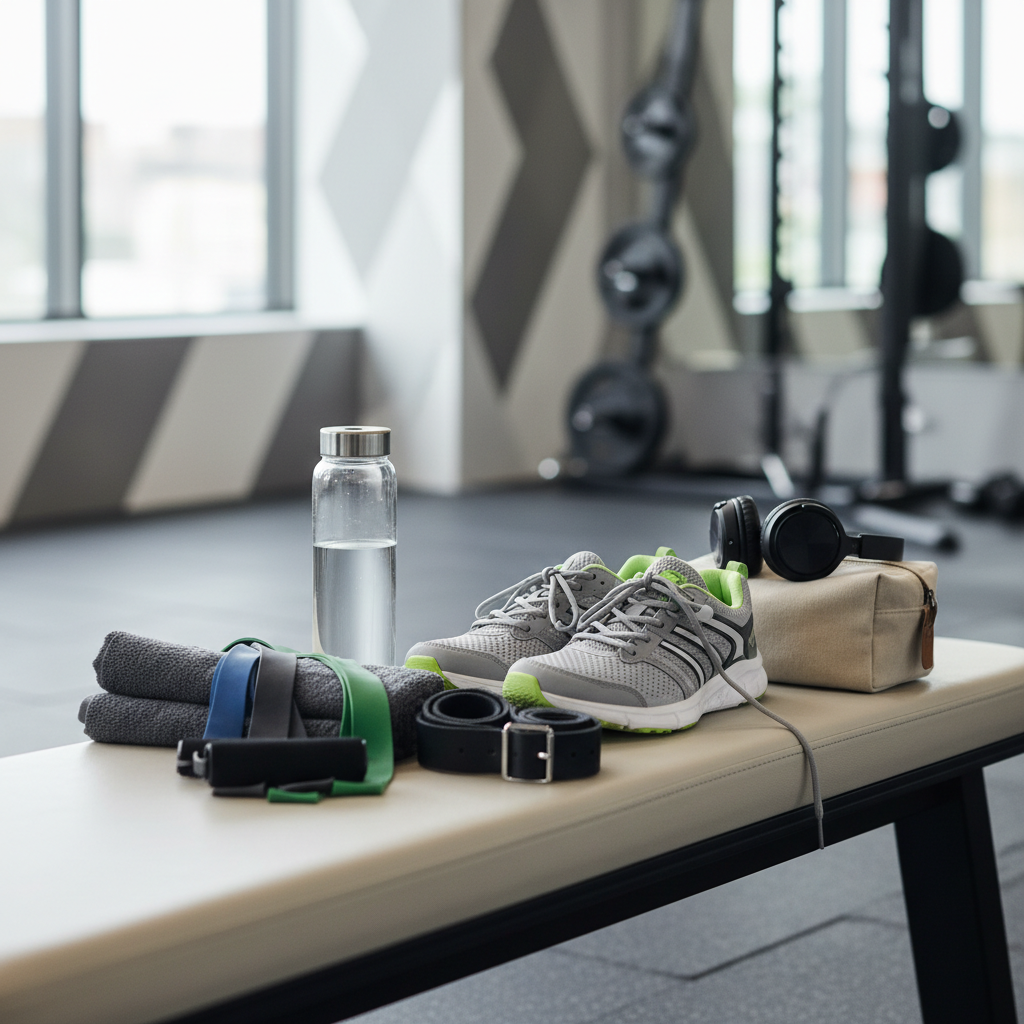
What “must-have” really means for gym gear
“Must-have” depends on how you train, but there is a reliable baseline: items that improve safety, hygiene, and consistency. If a piece of equipment mainly adds convenience, it can still be worth it, but it should earn its space in your bag.
According to CDC, hand hygiene is a key way to reduce the spread of germs, which is relevant in shared environments like gyms where surfaces get touched all day. That is why wipes, towels, and a simple wash routine often outperform expensive accessories.
The three buckets to organize your purchases
- Non-negotiables: shoes, clothes that do not chafe, water, towel, a way to store your stuff.
- Performance helpers: straps, belt, bands, chalk alternative, heart rate strap, supportive socks.
- Nice-to-haves: fancy shakers, multiple pairs of gloves, oversized gadget kits.
The core kit: essentials most people should own
If you want a simple shopping list that covers most gym sessions, build this first and refine later. These items are common because they solve common problems: slipping, sweating, discomfort, and forgetting small necessities.
Essentials checklist
- Training shoes matched to your training (more on this below)
- 2–3 sets of workout clothing you can rotate easily
- Water bottle you will actually carry
- Towel for equipment and sweat management
- Lock if your gym uses lockers
- Small toiletry kit: deodorant, travel wipes, hair ties, mini band-aids
- Headphones that stay put and do not cut out
If you are trying to keep costs reasonable, prioritize fit and function over brand names. A comfortable shirt that does not ride up beats a premium logo you keep tugging at between sets.
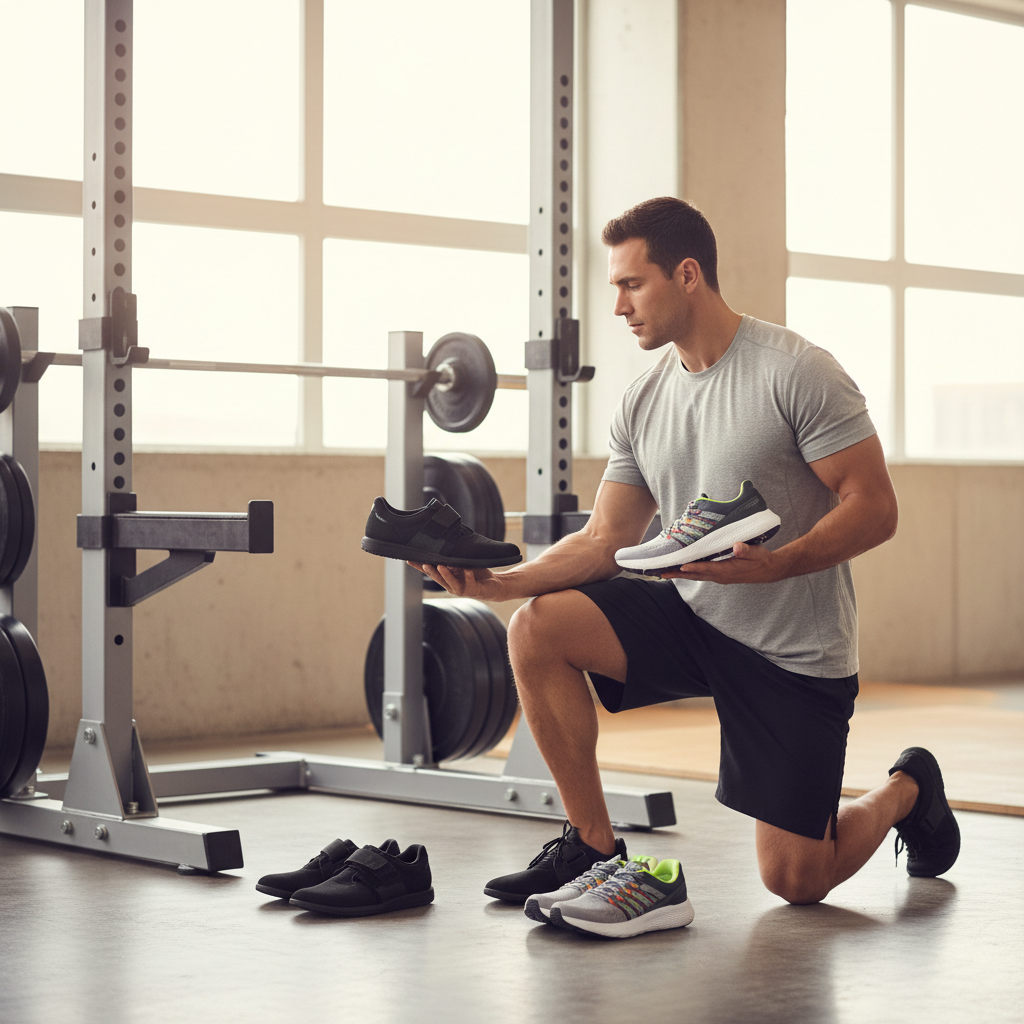
Choose shoes and clothing based on your workouts (not trends)
Shoes and clothing make up the bulk of your gym workout gear, and they also cause most avoidable discomfort. The goal is boring reliability: stable footing, predictable support, and fewer distractions.
Shoes: pick for stability, then comfort
- Mostly lifting: flat, stable trainers or dedicated lifting shoes if you squat and Olympic lift often. A firmer sole tends to feel more planted.
- Mostly cardio: running shoes or cross-trainers with more cushioning, especially if you spend time on treadmills.
- Mixed sessions: cross-training shoes usually split the difference, decent for short runs and stable enough for machines and moderate lifting.
If you have foot pain or a history of injuries, it may be smart to ask a clinician or qualified coach for input before switching shoe type, since support needs vary a lot by person.
Clothing: manage sweat, reduce friction
- Shirts: breathable fabric helps, but fit matters more, avoid collars and seams that rub your neck.
- Bottoms: choose a waistband that stays in place when you hinge or squat.
- Underwear/socks: this is where chafing starts, performance fabrics and a secure fit can be a quiet upgrade.
Performance add-ons: helpful gear for specific goals
Once your basics feel dialed, add tools that match your training problems. Most people buy these too early, then wonder why they do not use them.
For strength training
- Lifting straps: useful when grip limits back work, but do not let them replace grip training entirely.
- Weightlifting belt: often used for heavy compound lifts; it may help you brace, but technique still comes first, a coach can help you decide if it fits your level.
- Knee sleeves or wrist wraps: sometimes used for warmth and support; sizing and comfort matter a lot.
For mobility, warmups, and rehab-style work
- Resistance bands: great for activation drills and assistance work.
- Mini band set: easy to toss in a bag, useful for hips and glutes.
- Simple lacrosse ball or massage ball: cheap and often more practical than bulky rollers for targeted areas.
For cardio and conditioning
- Heart rate monitor: a chest strap can be more consistent than wrist readings for some people, especially during intervals.
- Sweat-resistant earbuds: comfort and seal matter, and it is worth testing return policies.
A quick decision table: what to bring for your session
If you are tired of overpacking or forgetting one key item, use a simple rule: pack by session type, not by “everything I own.” This table is a practical starting point.
| Session type | Bring for sure | Optional but useful | Usually skip |
|---|---|---|---|
| Strength (heavy) | Shoes (stable), towel, water, lock | Straps, belt, sleeves, chalk alternative | Extra gadgets, multiple glove pairs |
| Cardio | Cushioned shoes, water, headphones | Heart rate strap, sweat towel, extra shirt | Belts, straps (most cases) |
| Mixed | Cross-trainers, towel, water, lock | Bands, small toiletry kit, wrist wraps | Bulky accessories you will not use |
| Group class | Towel, water, shoes that match class | Yoga mat (if required), grip socks | Anything that slows transitions |
Pack smarter: a simple routine that prevents missed workouts
Buying gym workout gear is one part, keeping it ready is where consistency actually improves. Many people do not skip workouts because of motivation, they skip because they cannot find clean clothes or the bag is a mess.
A low-effort packing system
- Create a “default kit”: towel, lock, mini toiletries, bands, always stays in your bag.
- Use a two-outfit rotation: one set in the laundry, one set ready, add a third set if you train often.
- Charge zone: one spot at home where headphones and watch charge, no exceptions.
- Post-workout reset: dump sweaty items immediately, do not let them live in the bag overnight.
If you train before work, pack the night before and keep choices minimal. If you train after work, stash a backup shirt and socks in your car or desk, it saves more sessions than you would expect.
Common mistakes that waste money (and what to do instead)
The gym industry loves accessories, but your results come from training quality and recovery. Gear should support that, not distract you.
- Buying “advanced” items too early: if your squat form changes weekly, a belt purchase can wait, invest in coaching or programming first.
- One shoe for everything: it works for some, but if you lift heavy and run a lot, two pairs often feel better.
- Ignoring hygiene basics: towel and wipes are boring, but they reduce discomfort and embarrassment fast.
- Overpacking: if setup takes 10 minutes, you will skip the setup, bring less and train more.
Key takeaways to remember
- Start with the basics, then upgrade based on your real pain points.
- Match shoes to training, it impacts comfort and stability immediately.
- Consistency beats novelty, a simple kit you always use wins.
When to ask a pro for help
If you keep getting pain in the same area, or you feel unstable under load, gear might not be the fix. It is often smarter to consult a qualified coach, physical therapist, or medical professional, especially if symptoms persist or worsen.
According to American College of Sports Medicine, safe exercise relies on appropriate progression and technique, which is a reminder that support items do not replace fundamentals. If you are unsure whether a belt, sleeves, or a shoe change makes sense for you, a short technique check can save time and frustration.
Conclusion: build a kit you will actually use
The best gym workout gear is the set of items that keeps you comfortable, clean, and ready to train, without turning packing into a project. Start with shoes, clothes, water, and towel, add targeted accessories only when a clear training problem shows up.
Pick one action today: write a short checklist for your bag, then remove two things you never use. Your future self walking into the gym will feel oddly relieved.
FAQ
What gym workout gear do beginners really need?
Most beginners do fine with comfortable training clothes, appropriate shoes, a water bottle, and a towel, plus a lock if your gym has lockers. Add accessories later when you know what type of training you stick with.
Do I need lifting gloves, straps, or chalk?
Not always. Gloves can help with comfort for some people, but they can also reduce bar feel. Straps make sense when grip limits pulling work, and chalk depends on gym rules, many gyms prefer liquid chalk or none at all.
How many outfits should I own if I work out 3–4 days a week?
Usually 2–3 outfit sets work if you do laundry regularly. If your schedule is tight or you sweat heavily, a third set reduces the “no clean gear” problem.
Are running shoes okay for weightlifting?
Light lifting is typically fine, but for heavier squats and deadlifts, a soft cushioned sole can feel unstable. Many lifters prefer flatter, firmer shoes for those days.
What should I keep in a gym bag all the time?
A small “always pack” kit helps: lock, travel deodorant, wipes, hair ties, mini band-aids, and a spare resistance band. It is cheap insurance against forgetting something basic.
How do I keep my gear from smelling?
Get sweaty items out of the bag quickly, wash them with a routine that works for your fabrics, and let shoes dry fully between uses. If odor persists, it may help to use sports detergent or consult care instructions for the material.
Do I need a weightlifting belt for a stronger core?
A belt may help you brace for heavy lifts, but it does not automatically build core strength. Many people benefit from learning bracing technique and progressive loading first, a coach can help you decide when a belt makes sense.
Looking for a simpler way to upgrade your kit?
If you are trying to streamline your gym routine, it can help to build your gym workout gear around your most common session type, then add one accessory at a time only after you feel the gap. If you want, tell me whether you mostly lift, mostly do cardio, or do a mix, and I can suggest a tight packing list with minimal extras.