
Kettlebell workout routines work well for beginners because one tool can train strength, cardio, and coordination, but the first few sessions can feel confusing if you’re not sure what to do or how heavy to go.
If you’ve ever watched kettlebell videos and thought, “Everyone moves fast and I don’t want to hurt my back,” you’re not overthinking it, a few small technique details make a big difference, especially in hinges and swings.
This guide gives you a basic plan you can repeat 2–3 times per week, plus a quick self-check for weight choice, form cues that keep you safer, and a simple progression so you know what to change when it starts to feel easy.
Important: If you have current pain, a recent injury, are pregnant, or have medical restrictions, it’s smart to check with a qualified healthcare professional or certified coach before starting.
What makes kettlebells beginner-friendly (and what trips people up)
Kettlebells reward good movement patterns, and they also expose sloppy ones fast. That’s not a reason to avoid them, it’s a reason to keep the plan simple.
- They teach the hip hinge, which carries over to picking things up safely and building stronger glutes and hamstrings.
- They build full-body tension, because you grip the handle, brace your trunk, and control the bell.
- They scale easily, you can change reps, tempo, rest, and range of motion before you jump in weight.
Where beginners often get stuck is trying to copy advanced flows, rushing swings before learning the hinge, or choosing a weight that forces bad positions.
Pick the right kettlebell weight (quick self-test)
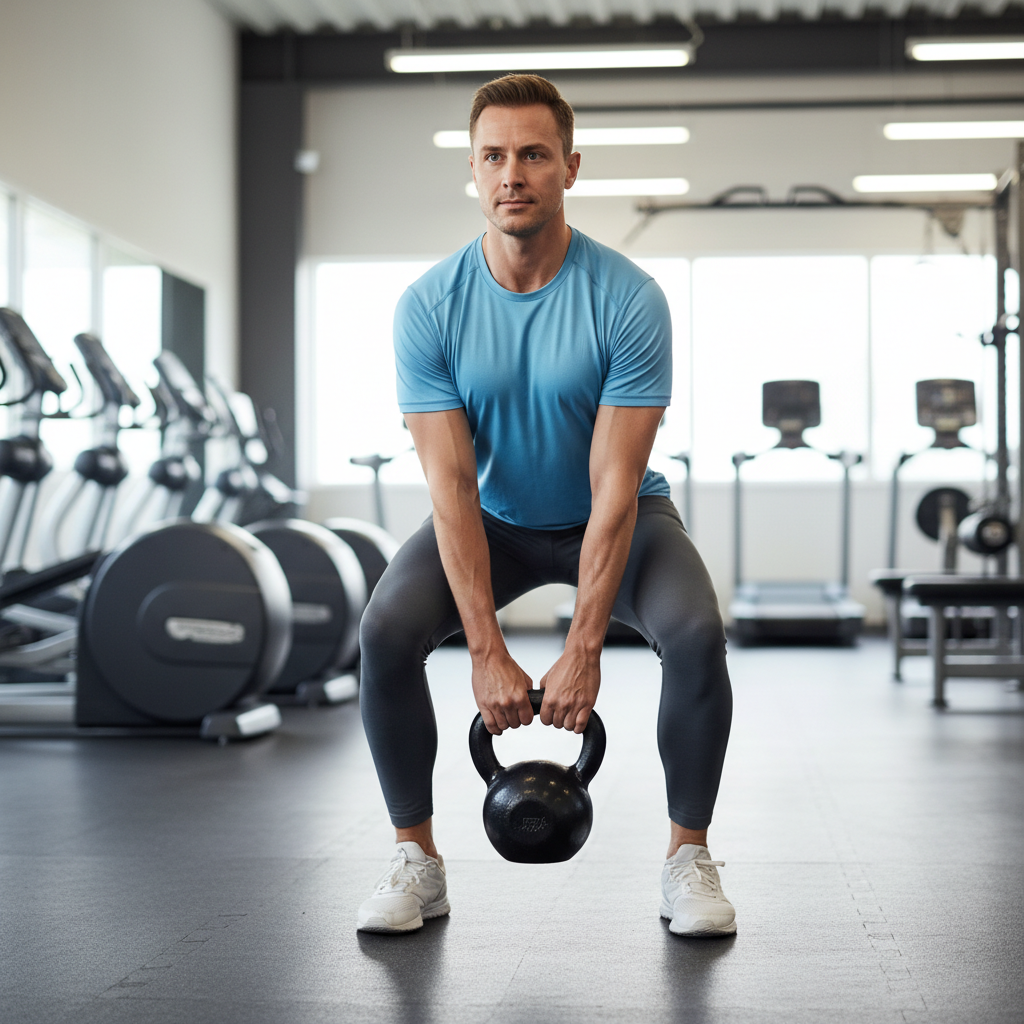
There’s no perfect universal starting weight, your history matters, but you can usually dial it in within one session by testing two moves: the deadlift and the goblet squat.
Weight selection checklist
- You can do 8 deadlifts with a flat back and controlled tempo, no grip panic.
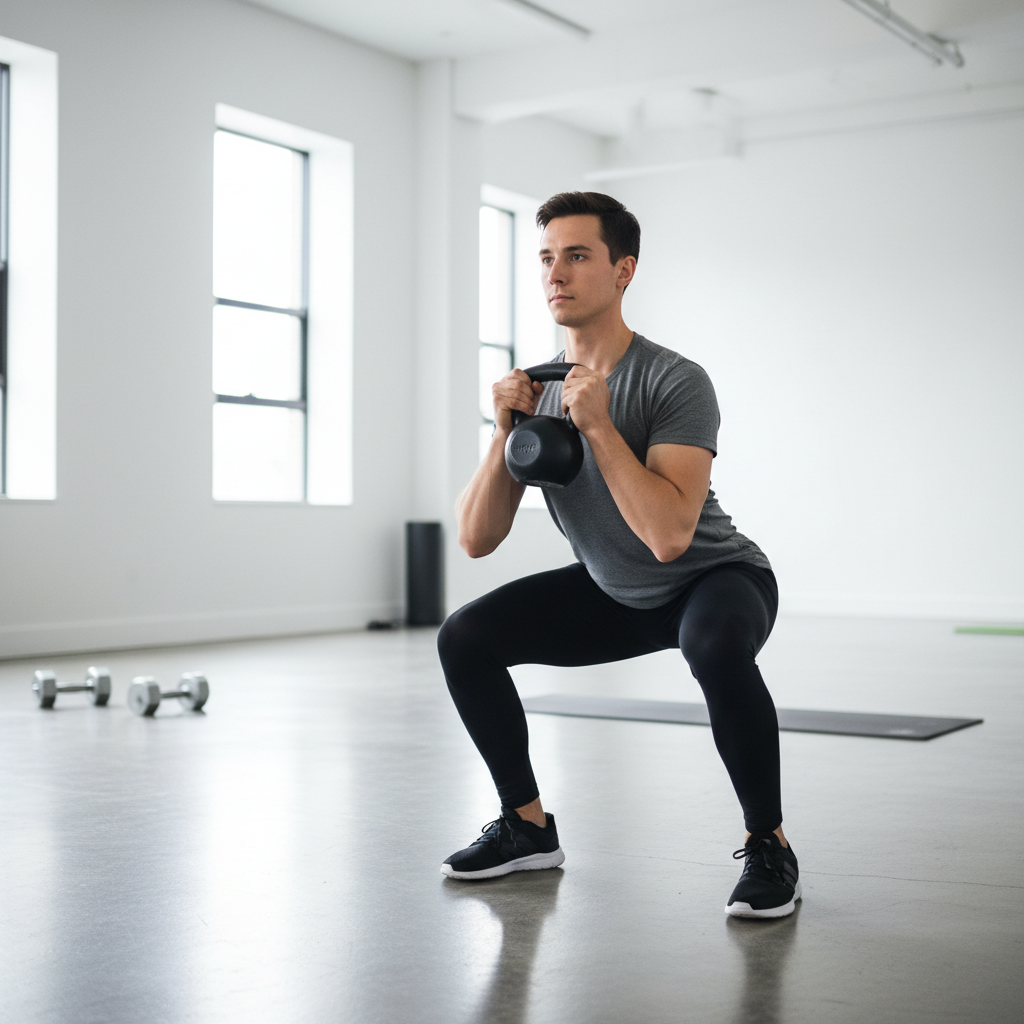
- You can do 6 goblet squats without your heels lifting or your low back tucking hard at the bottom.
- Your last rep feels like you had 2–3 reps in reserve, challenging but clean.
- You can breathe through the set, you’re working, but not redlining.
If you’re between weights, start lighter. Many people progress faster when they own clean reps early rather than muscling through messy ones.
The basic kettlebell workout for beginners (30–35 minutes)
This kettlebell workout is a full-body session built around patterns: hinge, squat, push, pull, and carry. Run it 2–3 days per week with at least one rest day between sessions.
How hard should it feel? Aim for steady effort, not exhaustion. You should finish feeling like you could do a little more, especially in the first two weeks.
Warm-up (5–7 minutes)
- Breathing + brace practice: 3 slow breaths, exhale fully, then tighten your midsection like you’re preparing to be lightly poked.
- Hip hinge drill: 8 reps, hands on hips, push hips back, keep ribs down.
- Bodyweight squat: 8 reps, pause briefly at the bottom.
- Shoulder circles + arm swings: 30–45 seconds.
Main workout
| Exercise | Sets | Reps/Time | Rest | Beginner focus |
|---|---|---|---|---|
| Kettlebell Deadlift | 3 | 8 | 60–90 sec | Hips back, shins mostly vertical |
| Goblet Squat | 3 | 6–8 | 60–90 sec | Elbows inside knees, torso tall |
| One-Arm Row (bench or hinge-supported) | 3 | 8/side | 45–75 sec | Pull to ribs, don’t twist |
| Half-Kneeling Press | 2–3 | 6/side | 60–90 sec | Ribs down, squeeze glute on kneeling side |
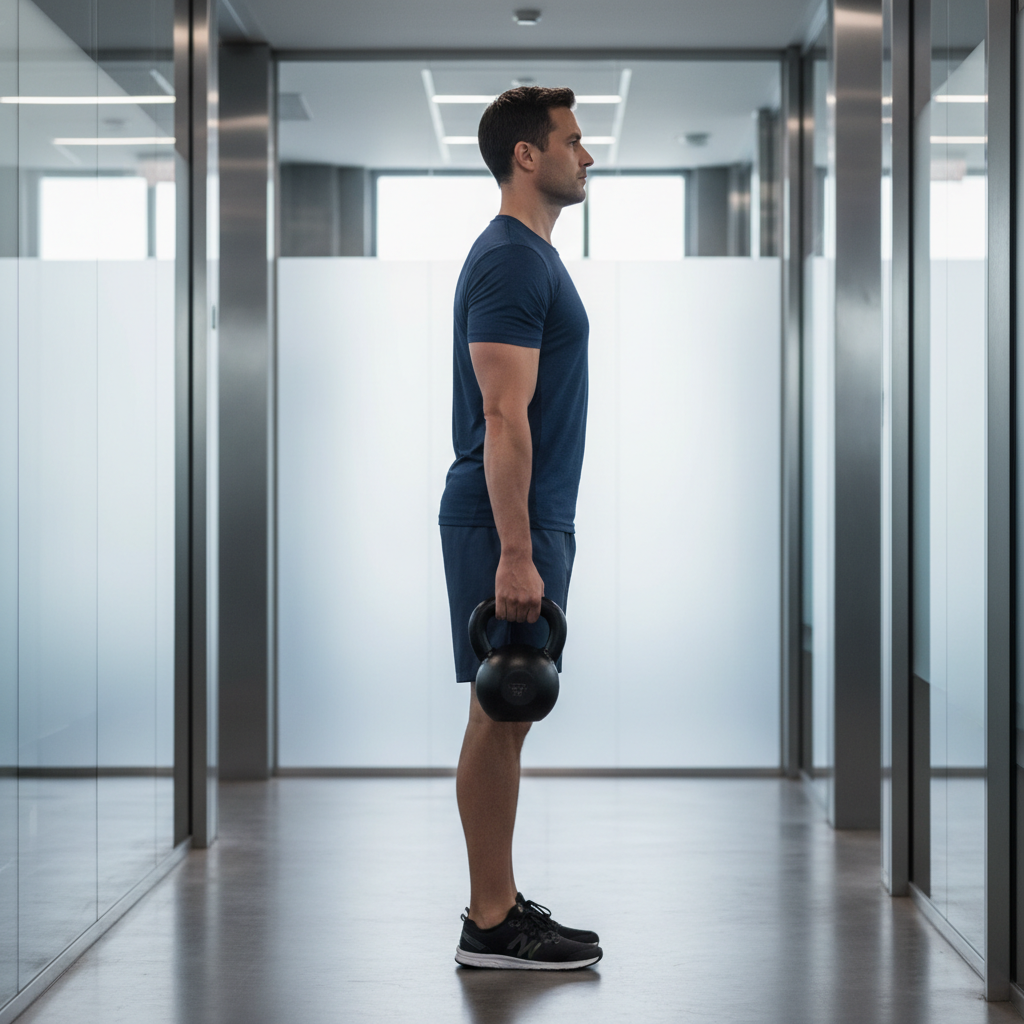
| Suitcase Carry | 3 | 30–45 sec/side | 45–75 sec | Walk tall, don’t lean |
Optional finisher (only if form stays clean): 6–10 minutes of easy intervals, 20 seconds marching in place holding the bell in a goblet position, 40 seconds rest. Stop if your low back starts taking over.
Exercise cues that keep beginners safer
Good cues are short and memorable. Use one or two per set, not ten at once.
Kettlebell deadlift
- “Crack a walnut in your armpits” to keep lats engaged and the bell close.
- “Hips back, stand up tall” instead of “bend over.”
- Finish with glutes tight, not by leaning back.
Goblet squat
- Hold the bell close to your chest, wrists straight.
- Let knees travel, but keep heels grounded.
- Stop depth where you can keep control, depth grows over time.
One-arm row
- Brace, then pull elbow toward your back pocket.
- Pause for half a beat at the top, lower slowly.
Half-kneeling press
- Squeeze the glute on the knee-down side so your low back does less.
- Press slightly back, then return under control.
Suitcase carry
- Walk like you’re balancing a glass of water on your head.
- Keep shoulders level, if you tilt, reduce weight or time.
How to progress this plan for 4 weeks (without guessing)
The fastest progress usually comes from boring consistency. Run the same kettlebell workout for a month and make small upgrades.
- Week 1: Learn positions, keep 2–3 reps in reserve on every set.
- Week 2: Add 1 rep per set on deadlifts, squats, rows if form stays steady.
- Week 3: Add a set to one movement you handle well, often rows or carries.
- Week 4: Keep sets the same, increase weight slightly on 1–2 lifts, or slow the lowering phase to 3 seconds.
Progress does not have to mean heavier every week. More control, more range, cleaner breathing, shorter rest are real wins.
Common mistakes (the ones that slow results)
A beginner plan fails less from lack of effort and more from doing the wrong hard thing.
- Turning every set into cardio: if you rush reps, your form changes and the target muscles stop working well.
- Squatting your hinge: in deadlifts, knees bend some, but hips should travel back, not straight down.
- Overextending at the top: locking out by leaning back can irritate the low back for some people.
- Skipping carries: they look too simple, yet they often improve posture and trunk control quickly.
- Copying swing volume too early: swings can be great, but only after you own the hinge and can snap hips without yanking with arms.
According to the American Council on Exercise (ACE), using proper technique and appropriate load selection are key parts of resistance training safety, which is exactly why this plan prioritizes controlled basics over flashy combos.
When to get coaching or medical guidance
Video tutorials help, but there are times a quick session with a coach saves weeks of frustration.
- You feel sharp pain, numbness, tingling, or pain that worsens over sessions.
- Your low back consistently takes over during hinges, even after reducing weight and slowing down.
- You cannot keep balance in squats or carries, or you feel dizzy with exertion.
- You’re returning after surgery or a significant injury, where modifications matter.
A certified kettlebell coach can give hands-on cues, and a physical therapist may help if movement limits come from mobility restrictions or prior injuries.
Key takeaways + an easy next step
This kettlebell workout stays basic on purpose, you’ll build strength faster when each rep looks the way it should. Pick a manageable weight, practice hinges and squats, and keep carries in the plan even when you’re tempted to skip them.
Your next step is simple: schedule two sessions this week, repeat the same routine, and write down the weight and reps you used. If everything feels stable, add a rep or a little time to the carries next session.
FAQ
How often should a beginner do a kettlebell workout?
Most beginners do well with 2–3 sessions per week, with a rest day between. If you feel unusually sore for multiple days, scale volume down before adding more days.
Is a kettlebell workout good for weight loss?
It can support fat loss because it builds muscle and can raise overall activity, but results still depend on nutrition and consistency. Many people find kettlebells make it easier to stick to training, which matters more than any single tool.
Should beginners start with kettlebell swings?
Often it’s better to earn swings after you can deadlift and hinge smoothly. If you do start swings, keep reps low, stop before fatigue changes your hinge into a squat or back bend, and consider coaching if you’re unsure.
What kettlebell weight should I buy first?
It depends on current strength and comfort with resistance training. If you can test in a gym, choose a weight that makes deadlifts and goblet squats challenging but clean for the rep ranges above, then commit to progressing reps before buying heavier.
Can I do this plan at home in a small space?
Yes, this routine needs only enough room to squat, hinge, and walk a short carry path. If space is very tight, do stationary suitcase holds instead of carries.
What if my wrists or forearms hurt when holding the bell?
Grip discomfort can come from squeezing too hard, bent wrists, or a handle that sits awkwardly. Keep wrists straight, relax grip slightly while staying secure, and stop if pain feels sharp or persistent, a professional assessment may be worthwhile.
How do I know when to increase weight?
If you can complete all sets with steady form and still feel like you could do 2–3 more reps per set, you’re probably ready to progress. Many beginners do well increasing one lift at a time rather than everything at once.
If you’re doing this kettlebell workout consistently but still feel unsure about hinge mechanics or what weight you should use, a short technique check with a qualified coach, even one session, can make the plan feel a lot more straightforward.