
How to wear arm warmers for cycling comes down to three things most riders overlook: seam placement, cuff control, and choosing the right moment to add or remove them. Get those right, and arm warmers stop feeling fussy and start acting like the simplest temperature tool in your kit.
They matter because ride conditions change fast in the real world, a cold descent after a sweaty climb, a foggy morning that turns sunny, a shoulder-season day where you never quite feel “settled.” Arm warmers let you adapt without carrying a whole extra jacket.
And yes, they can slip, bunch at the elbow, or cut off circulation if you pick the wrong size or wear them the wrong way. This guide helps you spot what’s going wrong, fix it quickly, and build a repeatable routine you can use every ride.
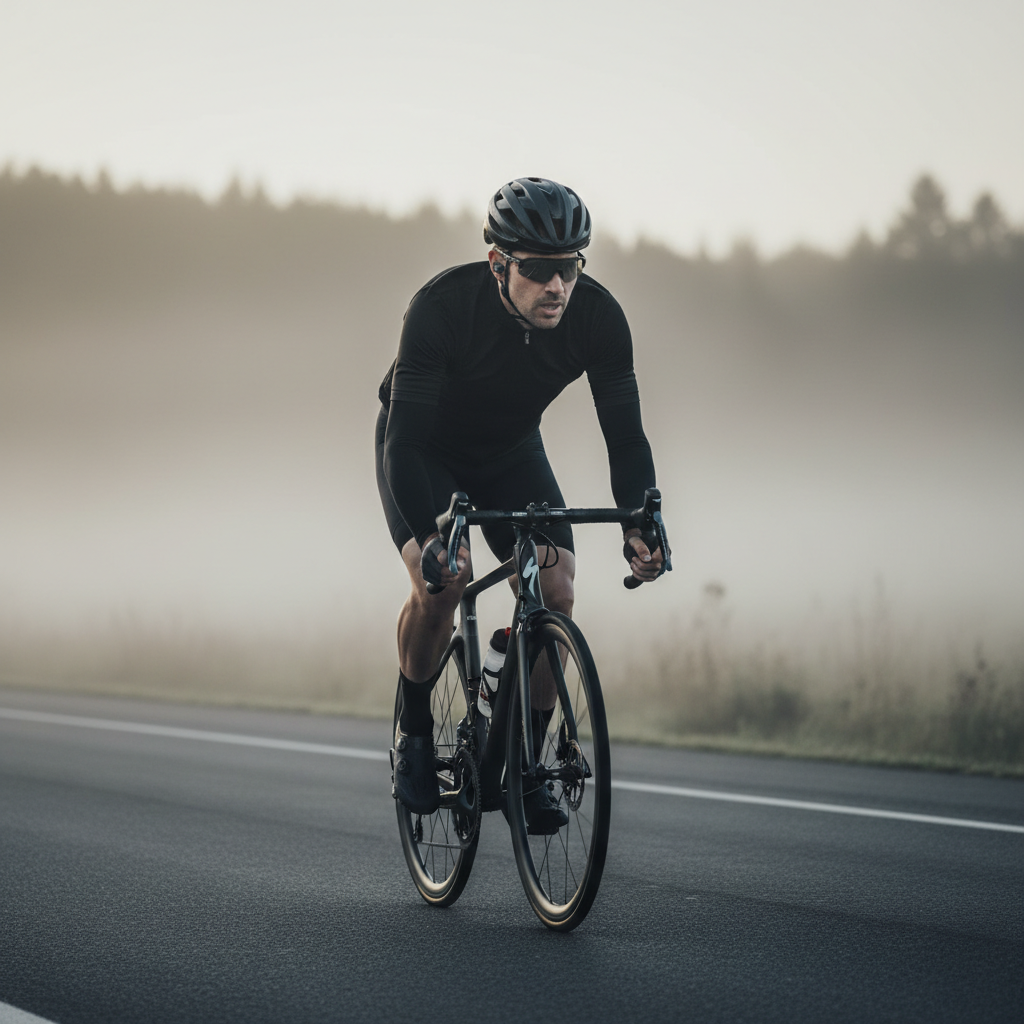
What arm warmers do (and when they actually help)
Arm warmers are removable sleeves designed to extend a short-sleeve jersey into “almost long sleeve” territory. They’re most useful in the temperature range where a full jacket feels like overkill, but bare arms feel distracting.
In practice, they shine in these scenarios:
- Cold starts that warm up mid-ride, especially spring and fall.
- Long descents where wind chill makes your arms feel numb.
- Variable microclimates like coastal fog, shaded canyons, or high-elevation routes.
- Light rain or mist when you want a thin layer without sealing in too much heat.
According to the National Weather Service (NWS), wind chill can make it feel significantly colder on exposed skin, even when the air temperature looks “not that bad” on your phone. That’s one reason arms often feel cold on descents before your core does.
Fit first: how to choose the right size and fabric
Most “arm warmer problems” are fit problems. If they’re too small, you get tight cuffs and numb hands; too large, they slide and bunch at the elbow.
Quick sizing cues
- Snug, not compressive: you should be able to fully bend your elbow without a hard pinch.
- Cuff pressure check: after 10 minutes, you shouldn’t see deep ring marks that last.
- Gripper placement: upper gripper should sit high on the biceps, not halfway down.
Material choices that change the feel
- Thermal fleece-lined: best for colder rides, but easier to overheat on climbs.
- Lightweight lycra: ideal for mild chill and sun protection, packs smaller.
- Water-resistant treatments: helpful in drizzle, but not a replacement for real rain gear.
If you’re between sizes, many riders prefer sizing down for stability, but only if circulation stays normal. If you have any nerve or circulation concerns, it’s worth being conservative and asking a bike fit professional or clinician.
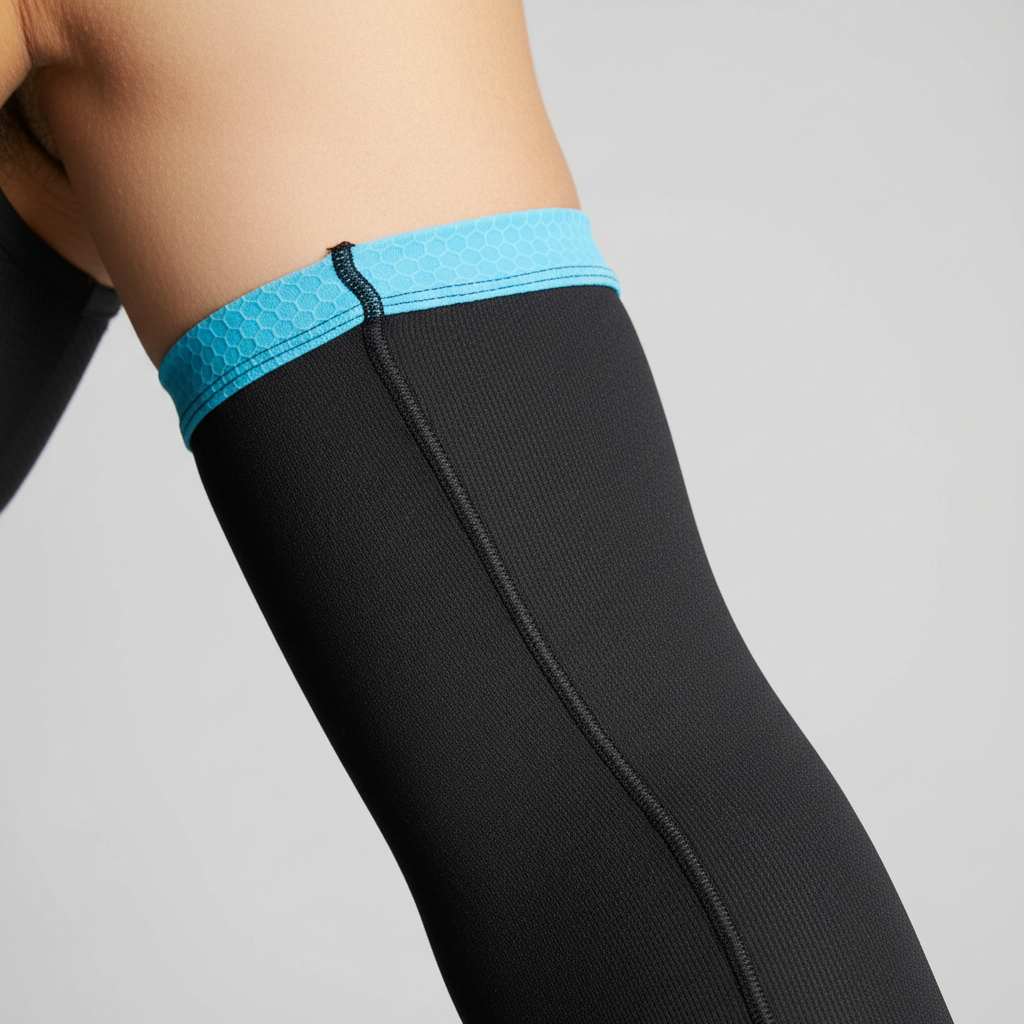
How to put on cycling arm warmers (step-by-step)
If you’re only going to change one habit, change this: put them on slowly and align them intentionally. Rushing is how you end up with twisted seams and sliding cuffs.
- Step 1: Start at the wrist, slide the cuff over your hand, and seat it where you like your sleeve to end.
- Step 2: Rotate the tube so the main seam runs along the inside or slightly rear of the arm (varies by brand).
- Step 3: Pull upward in small increments, smoothing as you go, rather than yanking from the top.
- Step 4: Set the bicep gripper high so it sits on a wider part of your upper arm.
- Step 5: Check elbow articulation, bend and straighten a few times, then smooth any bunching toward the forearm.
A small but real detail: if your jersey sleeves are very tight, try putting the warmers on first, then pull the jersey sleeve over the top edge. If your jersey sleeves are loose, you can often do the opposite, warmer over jersey, to reduce slipping. Test both at home, not at the trailhead.
How to wear arm warmers with gloves, jersey sleeves, and layers
Where you overlap fabric determines whether wind sneaks in and whether you feel bulky at the wrist. There isn’t one “correct” method, but there is a correct method for your conditions.
Wrist overlap options
- Warmers under gloves: better wind seal, cleaner feel, usually best for colder descents.
- Warmers over gloves: faster to remove gloves, but can feel bunchy and may funnel air.
- Warmers tucked into glove cuff: neat and secure if your gloves have enough cuff height.
Shoulder and sleeve overlap
- Jersey sleeve over warmer can reduce sliding if the sleeve is snug.
- Warmer over jersey sleeve sometimes holds better when sleeves are loose or short.
If you’re pairing with a vest or light jacket, keep the arm warmers smooth at the shoulder so the jacket sleeve doesn’t “grab” and pull them down when you reach forward.
On-bike removal and storage: the “no drama” routine
How to wear arm warmers for cycling also includes how you take them off without creating a safety moment. If traffic, rough pavement, or group riding makes it sketchy, stop for 30 seconds. That’s the grown-up move.
When it’s safe and you’re comfortable doing it, many riders use this basic approach:
- Loosen the top gripper first, then peel downward.
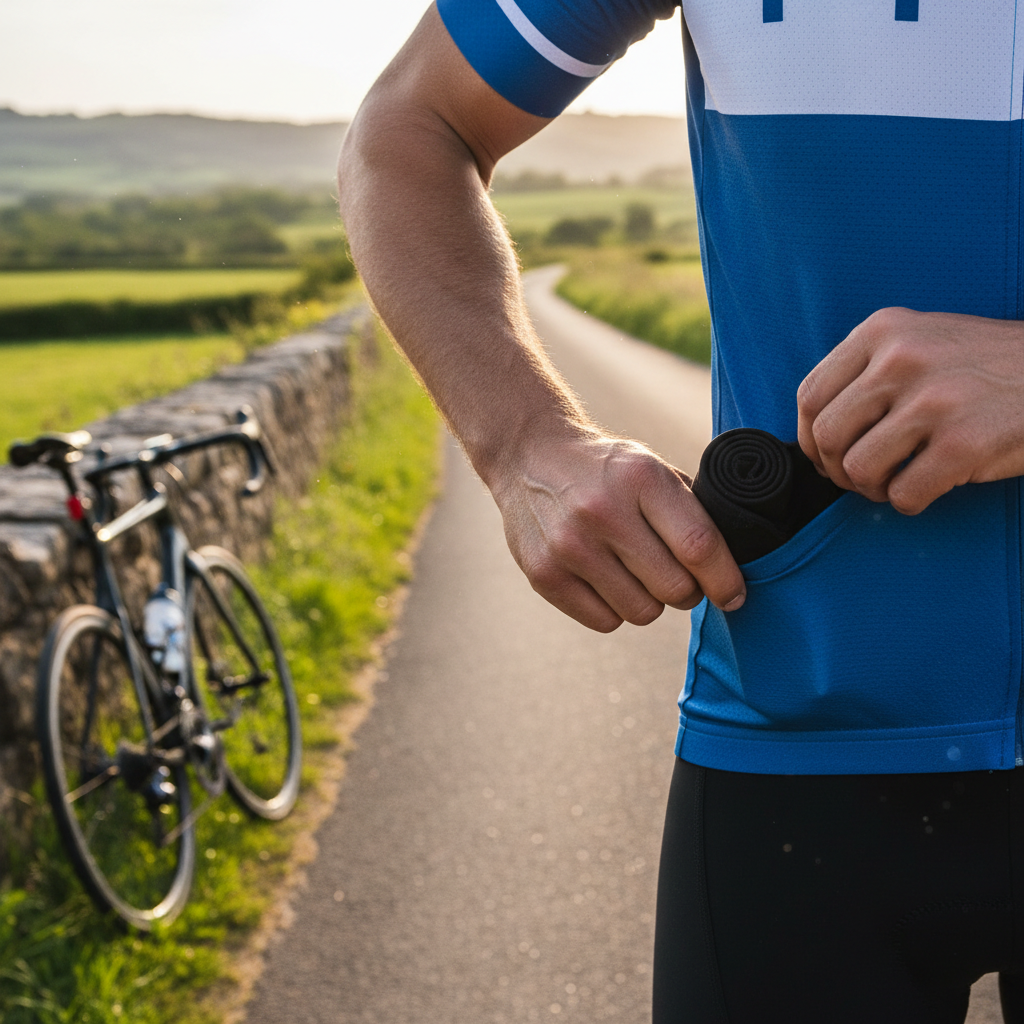
- Roll from the top into a compact cuff-to-cuff bundle.
- Stash in a jersey pocket with the grippers facing inward so they don’t snag.
If you plan to remove them mid-ride, consider lightweight arm warmers that roll smaller. Bulky thermal pairs can be annoying to stuff, and that annoyance often turns into “I’ll just keep them on,” then you overheat.
Troubleshooting: slipping, bunching, cold wrists, and numb hands
Most issues have a boring fix, which is good news. Here are the problems riders mention most often, plus what usually helps.
- They slide down: check size, move the top gripper higher, try warmer-over-sleeve, and make sure sunscreen or lotion isn’t under the gripper.
- They bunch at the elbow: realign seam position, smooth fabric downward from the elbow, and avoid pulling the top too high.
- Cold air at the wrist: overlap with glove cuff, switch to warmers under gloves, or choose a longer cuff design.
- Numb fingers: loosen anything tight at the wrist, confirm your gloves aren’t too small, and watch for pressure points where cuff edges stack.
If numbness, tingling, or discoloration keeps happening, don’t try to “tough it out.” It can be as simple as sizing, but it can also relate to nerve compression or circulation issues, so consider getting help from a qualified bike fitter or medical professional.
Quick decision table: which setup to use today
This isn’t meant to be perfect, it’s a fast way to avoid overthinking at the door. Wind, humidity, and your effort level change the outcome, so treat it as a starting point.
| Ride conditions | Arm warmer type | Wear/overlap suggestion | Common mistake |
|---|---|---|---|
| Chilly start, warms up later | Lightweight | Under gloves, easy to peel off | Choosing thermal, then overheating |
| Cold descent, moderate climb | Thermal | Under gloves, snug wrist overlap | Loose cuffs that leak wind |
| Windy but not very cold | Lightweight or wind-panel | Focus on sealing wrists | Ignoring wind chill effect |
| Light drizzle or mist | Thermal or DWR-treated | Pair with a vest if core gets cold | Assuming it replaces rain sleeves |
Key takeaways + a simple pre-ride checklist
If arm warmers feel “finicky,” it’s usually because you’re missing one small setup detail. Nail these and they become set-and-forget.
- Align seams before you pull them all the way up, twists cause elbow bunching later.
- Set the top gripper high on the biceps where it has more to hold onto.
- Seal the wrist with your gloves, cold air almost always sneaks in there first.
- Plan storage if you might remove them, bulky warmers can be a pocket problem.
- Respect numbness, persistent tingling deserves a fit check or professional advice.
Before you roll out, do one fast test: bend your elbows, get in riding position, and rotate your wrists like you’re braking. If anything pinches or shifts, fix it now, not ten miles in.
If you want one practical next step, practice putting them on and taking them off at home once or twice, and you’ll stop wasting mental energy on it during real rides.