
Fitness Towel choices look similar on a product page, but in a real gym bag, the wrong one turns into a damp, funky problem fast. If your towel stays wet, slips off benches, or comes home smelling like yesterday’s session, you’re not imagining it, the material and size matter more than the branding.
A quick-dry towel is mainly about two things: how efficiently it pulls sweat off skin and gear, and how quickly it releases moisture back into the air. Done right, you wipe once, it dries between sets, and your bag doesn’t become a humid box on the drive home.
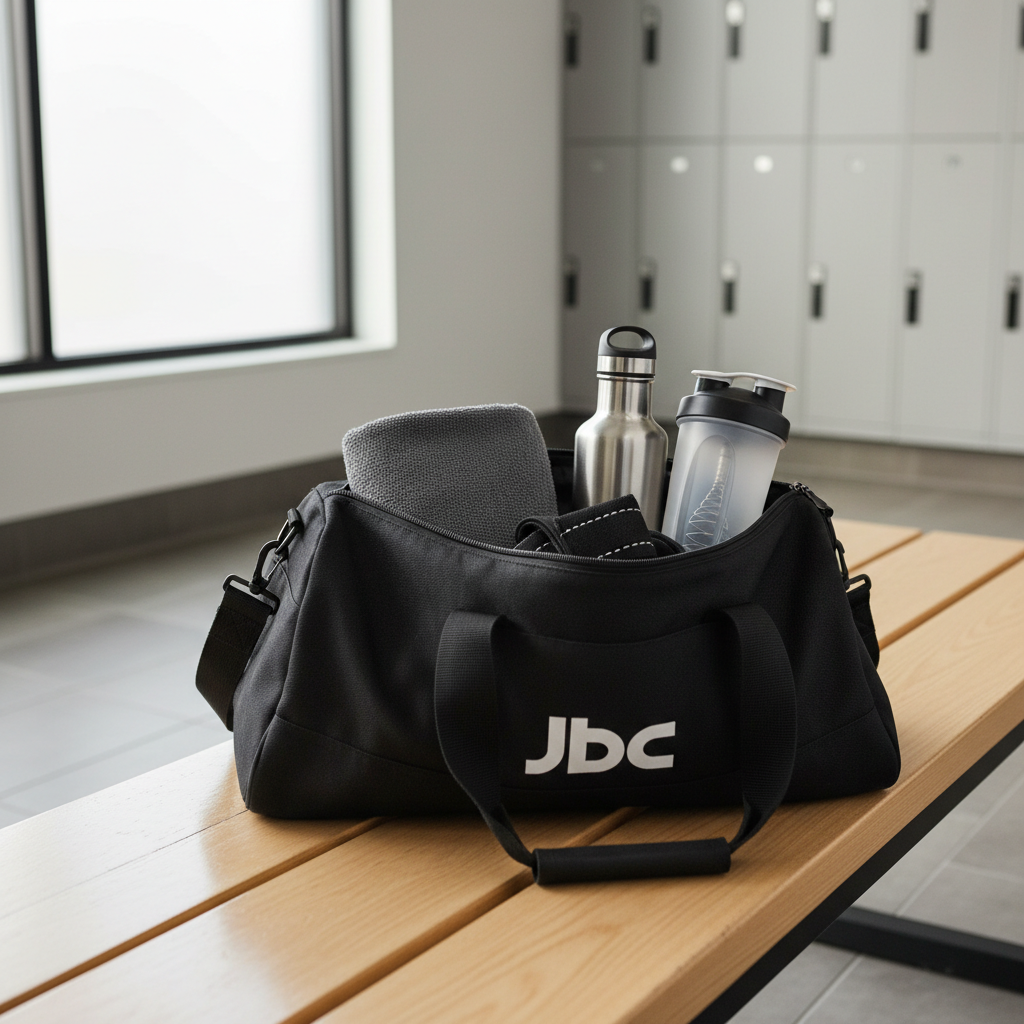
Below is a practical guide to picking a quick-dry gym towel, using it in a way that actually keeps it dry-ish, and washing it so it stays absorbent instead of turning slick or smelly after a few weeks.
Why gym towels get soggy (and start smelling)
Most “gym towel” frustration comes from a few predictable causes, and once you spot yours, the fix is usually straightforward.
- Fabric holds water instead of wicking: Some cotton loops soak and stay wet, especially in humid gyms or during high-sweat training.
- Too thick for the job: Plush feels nice, but thickness slows evaporation, so it doesn’t bounce back between sets.
- Wrong size leads to overuse: A tiny towel used for face, hands, and equipment gets saturated quickly.
- Bag hygiene: Tossing a damp towel into a closed backpack is basically a warm moisture chamber.
- Detergent and softener buildup: This one surprises people. Residue can coat fibers and reduce absorbency over time.
According to CDC, moisture and warmth can support microbial growth on fabrics, so keeping items dry and laundering promptly is a sensible baseline for gym hygiene.
What “quick dry” really means for a Fitness Towel
“Quick dry” is often used loosely, so it helps to translate marketing into real-world signals you can feel in your hands.
Materials that tend to dry faster
- Microfiber (polyester/polyamide blends): Often the most noticeably quick to dry, good at wiping sweat off skin and benches.
- Waffle weave: The texture increases surface area, which often helps evaporation and grip on equipment.
- Lightweight performance polyester: Usually dries fast, sometimes less “grabby” on sweat than microfiber depending on knit.
Cotton can still work, especially for people with sensitive skin, but if quick drying is your top priority, it’s not always the easiest path.
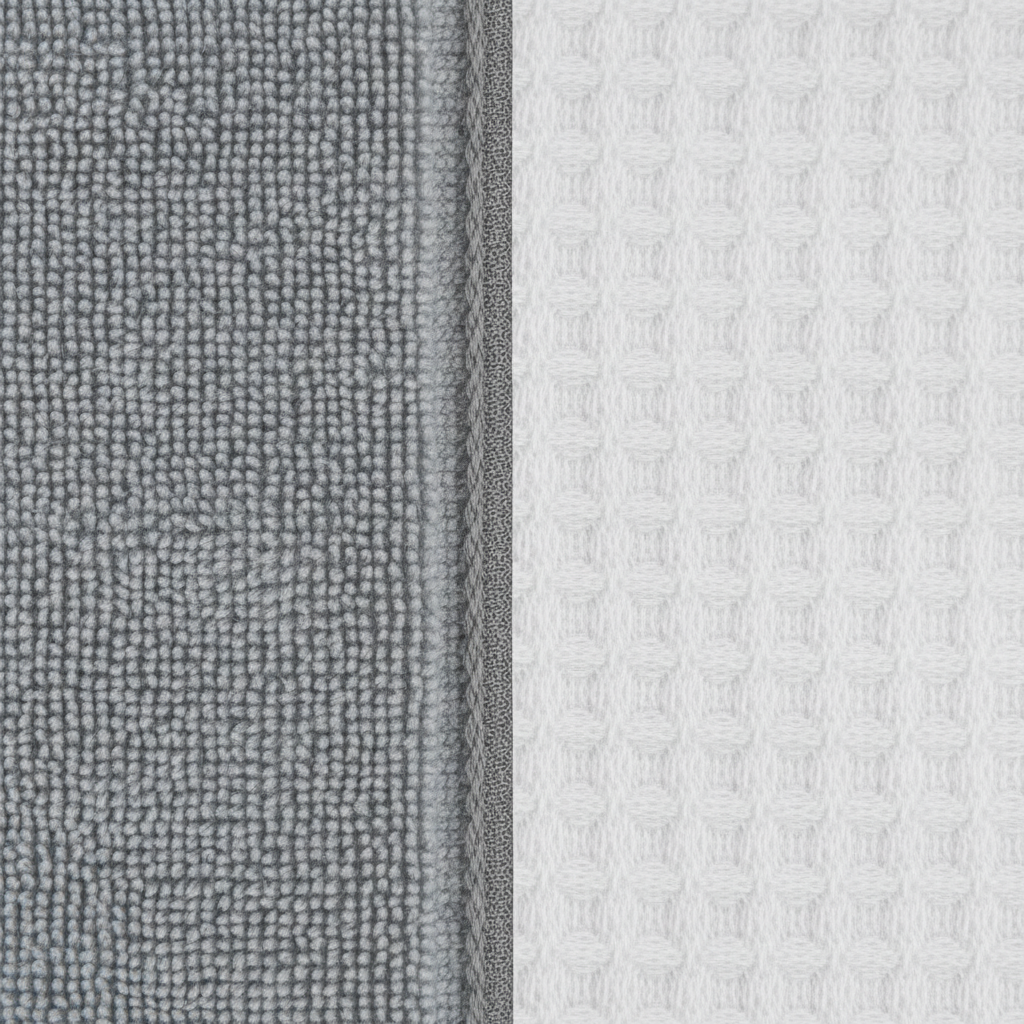
A simple comparison table (what most people notice)
| Type | Drying speed | Feel on skin | Best use in the gym | Watch-outs |
|---|---|---|---|---|
| Microfiber | Fast | Smooth, slightly “grabby” | Sweat, benches, machines | Softener can ruin performance |
| Waffle weave microfiber | Fast | Textured | Grip on equipment, hot yoga, HIIT | Texture may feel rough for some |
| Lightweight cotton | Medium to slow | Soft | Face/hands, light sweat sessions | Stays damp in humid conditions |
| Cotton terry (thick) | Slow | Plush | Shower, locker room | Bulky, holds odor in a gym bag |
How to choose the right size and thickness (without overthinking)
Most gym-goers do better with two different towel “jobs” rather than hunting for one perfect unicorn towel.
- Workout towel (bench + sweat): roughly hand towel size, easy to fold, easy to reposition.
- Face towel (optional): smaller, kept cleaner, especially helpful if you hate wiping your face with something that touched a bench.
Thickness is where people get tricked. In many cases, a slightly thinner towel performs better during training because it dries faster between uses. If you love a plush feel, keep that for showers, not for the workout floor.
Quick self-check: are you buying the right towel for your workouts?
If you answer “yes” to a few of these, you’ll likely feel a big difference by switching to a faster-drying option or changing how you rotate towels.
- My towel feels damp within 10–15 minutes.
- I do HIIT, spin, hot yoga, or high-volume lifting and sweat a lot.
- The towel smells fine at the gym, then gets funky in the bag later.
- I use one towel for everything, including wiping equipment and my face.
- I wash with fabric softener or dryer sheets.
- I notice my towel “smears” sweat instead of absorbing it.
Key point: when quick-dry claims don’t match your experience, the issue is often size, thickness, or wash routine, not just the fabric.
How to use a Fitness Towel so it stays drier during a session
This sounds obvious, but it’s where most people get stuck, they buy a better towel and still use it in a way that keeps it wet.
In-session habits that help
- Fold into quarters and rotate to a clean/dry section every few sets.
- Air it out between stations: drape it, don’t ball it up on the bench.
- Separate tasks: one side for you, one side for equipment, or use two towels if you’re particular.
- Don’t trap moisture: avoid stuffing it into a pocket mid-workout, it won’t “dry in there.”
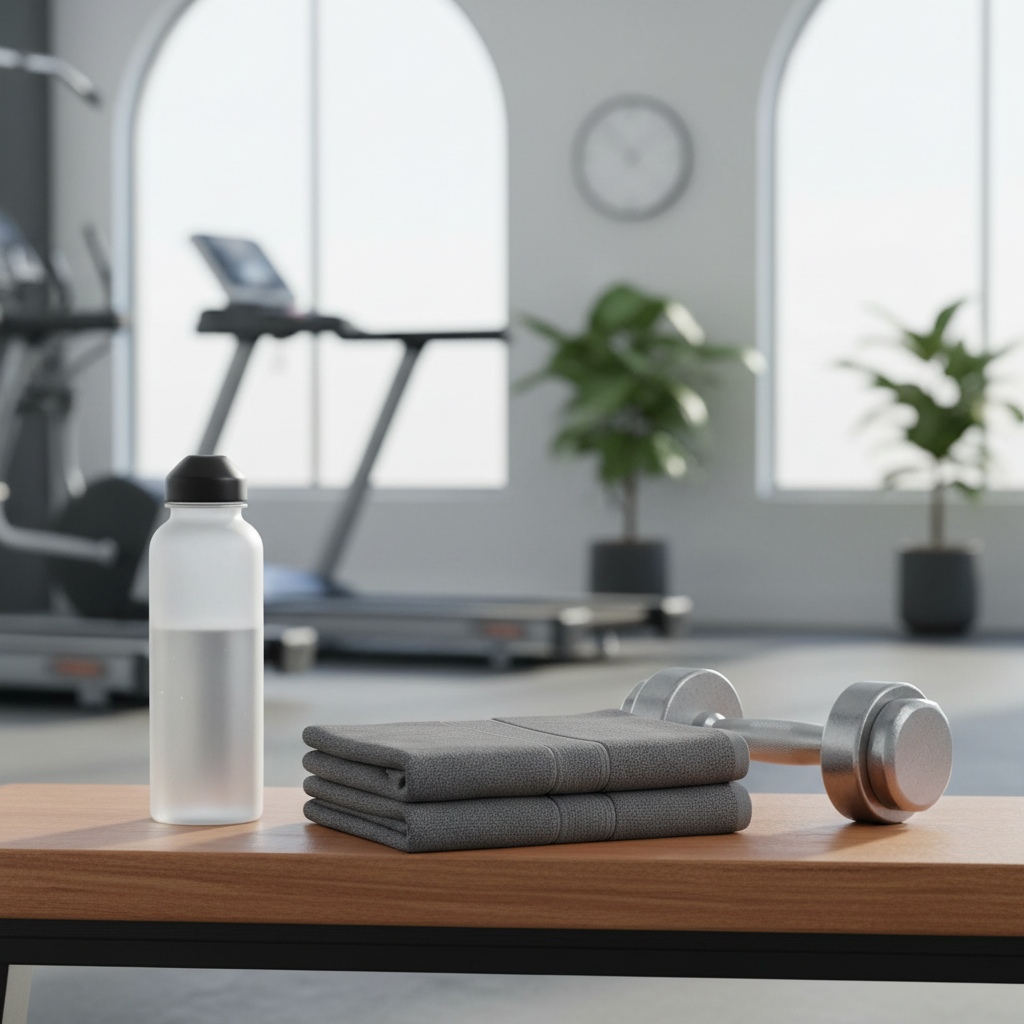
If you train in a very humid gym or do long cardio blocks, even the best towel can get damp, the win is that it won’t stay drenched for hours afterward, and it won’t turn your bag into a swamp.
Care and washing: keep it absorbent, not slick
Quick-dry towels tend to be sensitive to how they’re washed. If you treat microfiber like cotton, performance often drops.
Washing rules that usually work
- Skip fabric softener and avoid dryer sheets, they can leave a coating that reduces absorbency.
- Wash promptly after sweaty sessions when possible, or at least hang dry fully before laundry day.
- Use a mild detergent and avoid heavy “scent booster” products if odor is your concern.
- Dry thoroughly: low heat or air dry is often fine; high heat can shorten lifespan for some synthetics.
According to EPA, laundering and proper drying are practical steps to reduce odors and residues on washable textiles. If you deal with persistent skin irritation or recurring infections, it’s wise to speak with a healthcare professional, towels are only one part of hygiene.
Common mistakes (and what to do instead)
- Buying “the smallest possible towel”: it feels minimal until it saturates fast. Pick a size that matches your sweat level and workout length.
- Using one towel for face + floor + machines: if you care about breakouts or irritation, separate the jobs.
- Leaving it in the car: heat plus moisture often makes odor harder to remove later.
- Over-washing with harsh products: more fragrance does not always mean “cleaner,” and it can create buildup.
If your towel still smells after proper washing, it may be time to replace it. Fibers wear out, and some odors cling once they’ve cycled through heat and moisture repeatedly.
Practical buying checklist (save this before you shop)
- Fabric: microfiber or waffle weave if fast drying matters most
- Stitching: reinforced edges so it doesn’t curl or fray in frequent washes
- Grip/texture: helps it stay put on benches and mats
- Packability: folds small without feeling like a wet sponge in your bag
- Care fit: you’re willing to wash it without softener, or it won’t perform long
Wrap-up: a quick-dry towel is a small upgrade you’ll feel every session
A quick-dry Fitness Towel won’t make you sweat less, but it can make training feel cleaner and less annoying, especially if you’re wiping down benches, doing circuits, or commuting straight from the gym. Pick a fabric that releases moisture fast, choose a size that fits your routine, and treat washing like part of performance.
If you want an easy next step, try one dedicated workout towel and keep a separate smaller one for your face, then adjust from there after a week of real use.
FAQ
What size Fitness Towel is best for the gym?
Most people do well with a hand-towel size for benches and sweat. If you do long cardio sessions or sweat heavily, sizing up can prevent that soaked-through feeling halfway in.
Is microfiber safe for sensitive skin?
Many people tolerate microfiber fine, but sensitivity varies. If you notice irritation, try a softer weave, avoid fragrance-heavy detergents, and consider keeping a separate cotton face towel.
Why does my towel smell even after washing?
Odor often sticks when a damp towel sits in a closed bag or gets dried before it’s truly clean. Hanging it to dry immediately and skipping softener helps, but sometimes replacement is the realistic fix.
Can I use one towel for wiping equipment and my face?
You can, but it’s not ideal for many gym environments. If breakouts or irritation matter to you, separating “face” and “gear” towels is a simple upgrade.
Do quick-dry towels absorb less than cotton?
They can feel different. Many quick-dry fabrics wipe sweat efficiently and dry faster, even if they don’t feel as plush as cotton. In a gym setting, that tradeoff often works in your favor.
Should I air dry or machine dry a quick-dry towel?
Air drying works well and can extend lifespan. Machine drying on low heat is usually fine for many performance fabrics, but check the care label since blends vary.
How many gym towels should I own?
If you train 3–5 days a week, two to three towels makes rotation easier, especially if you sometimes can’t do laundry immediately.
If you’re trying to build a cleaner, more consistent gym routine, starting with a dependable quick-dry towel is a low-effort change that removes a daily annoyance, and it’s often the difference between “my bag smells” and “I can reuse this comfortably next set.”