
Oblique Workout routines can absolutely help with core definition, but only if you train the right “side abs” muscles, brace correctly, and stop relying on endless side bends as your main strategy.
A lot of people chase a tighter waist or visible lines along the sides of the abs, then get stuck in two frustrating loops, either they feel obliques burning but never “see” definition, or they build strength but end up with movements that irritate the low back.
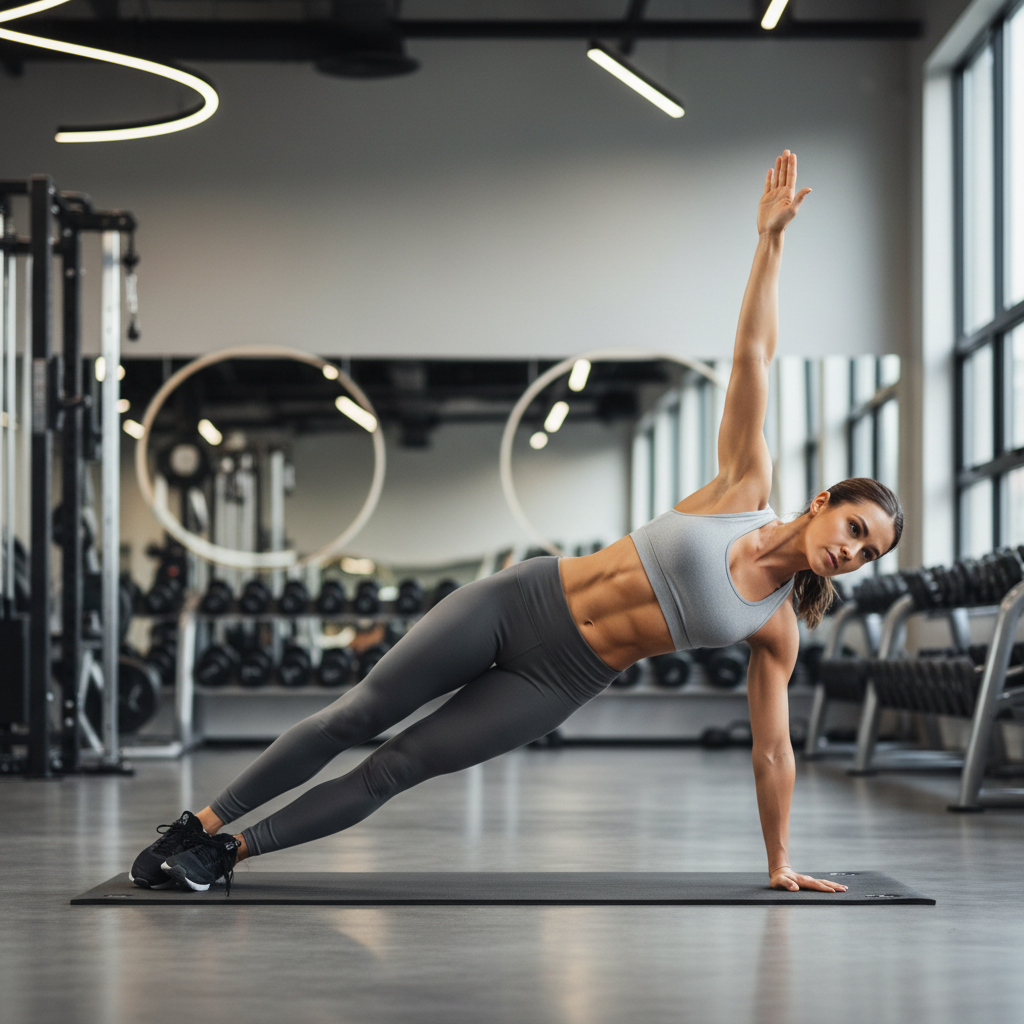
This guide stays practical, you’ll learn what the obliques actually do, how to pick exercises that show up in real life (sports, lifting, daily movement), and how to structure a week of training so your core looks better and feels more stable.
What your obliques really do (and why that matters for definition)
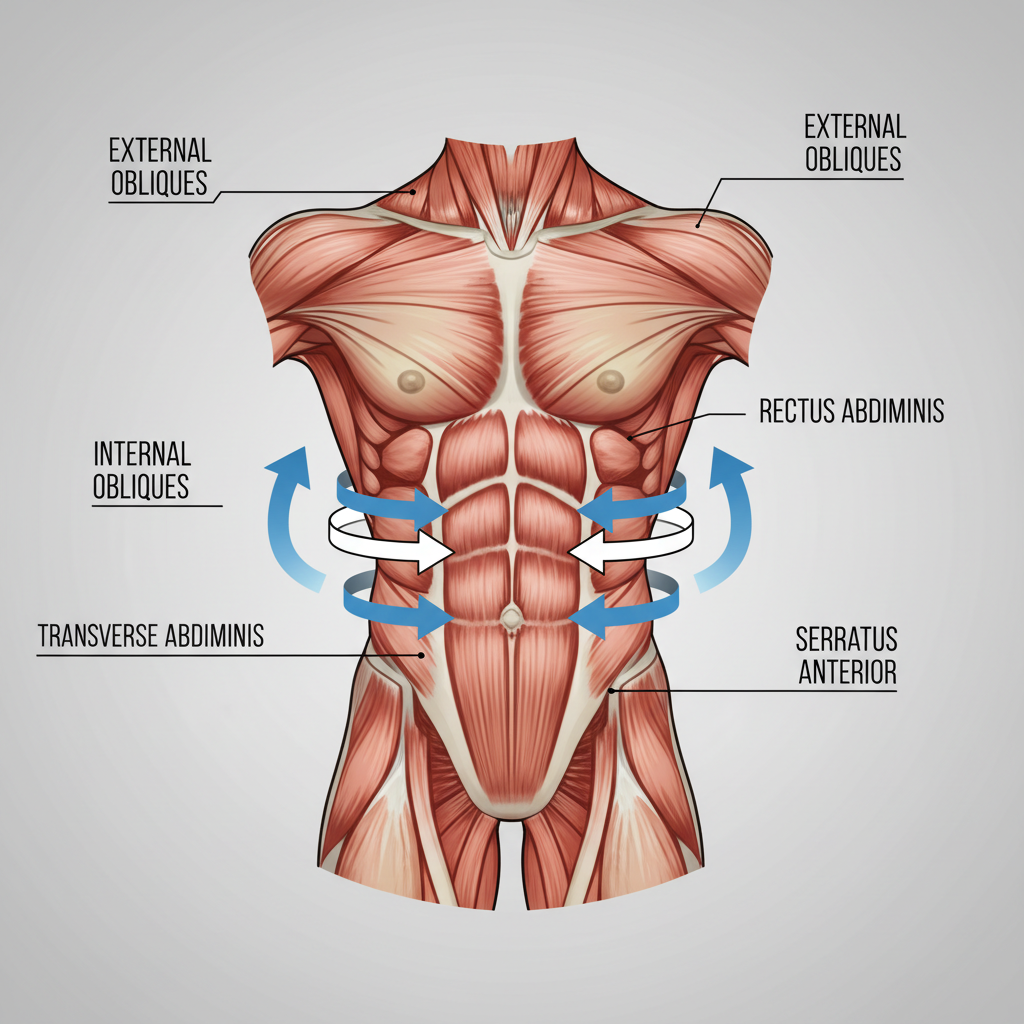
Your obliques include the external and internal obliques, and they’re less about “crunching sideways” and more about resisting unwanted motion, especially rotation and side-bending.
In the real world your torso constantly fights forces, a grocery bag on one side, a barbell pulling you forward, a quick turn during sports. Training obliques as anti-rotation and anti-lateral flexion tends to build usable strength with less cranky-back risk than doing high-rep bends.
According to the American Council on Exercise (ACE), many effective core exercises emphasize stabilization, meaning the trunk stays braced while the arms or legs move. That’s a helpful lens when choosing an Oblique Workout you can progress safely.
Why your oblique workout might not “show” yet
Most people assume the missing piece is more exercises. Usually it’s the basics around training and recovery, plus expectations.
- Body fat still covers the lines, core training strengthens muscle, but definition depends a lot on overall leanness, which varies by genetics and lifestyle.
- Too much flexion, not enough bracing, if every set looks like bending and twisting, the spine may take more stress than the obliques.
- No progression plan, doing the same circuit forever gives you the same results forever.
- Breathing is off, shallow chest breathing can make bracing weaker, your “core” never truly locks in.
- Volume is mismatched, some people hammer obliques daily and feel tightness, others train them once every two weeks and wonder why nothing changes.
If you want definition, think “strong, thick enough to see, and not covered.” Your training can handle the first two, your overall plan handles the third.
Quick self-check: which situation are you in?
Use this fast checklist to decide where to focus before you add more moves.
- You feel oblique exercises mostly in your low back → bracing and exercise selection need work.
- You feel them in hip flexors more than your sides → positioning, range of motion, or fatigue management may be off.
- You can’t hold a side plank for 20–30 seconds with clean form → start with stabilization before heavy rotation.
- You only do weighted side bends → add anti-rotation and carries for a more “athletic” stimulus.
- You do core work, but never track it → you’re missing progressive overload like you use for squats or presses.
One more honest check, if you’re cutting sleep, skipping protein, and stressing hard, your midsection tends to look “puffier” even when you’re getting stronger. It’s not moral failure, it’s physiology and consistency.
The best oblique exercises (by goal), plus what to avoid
A strong Oblique Workout usually mixes three categories, anti-rotation, anti-side-bend, and controlled rotation. You don’t need all of them every day, but you want them across your week.
Anti-rotation (great for a tighter, stable look)
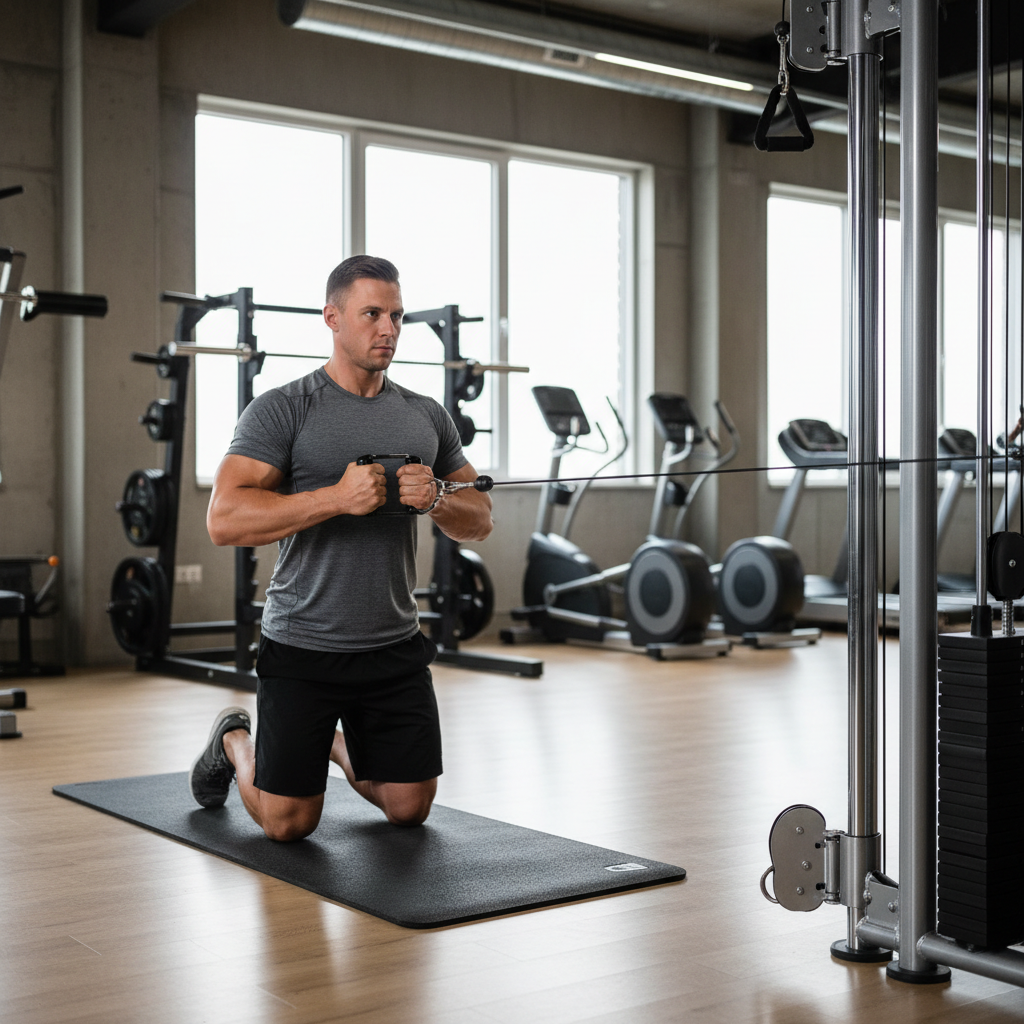
- Pallof press (band or cable), press out, resist twisting.
- Dead bug with band pull, keep ribs down, slow tempo.
- Plank shoulder taps, minimize hip sway.
Anti-lateral flexion (the “don’t collapse sideways” group)
- Side plank (standard, then with reach-through later)
- Suitcase carry, walk tall with one weight, don’t lean.
- Offset farmer carry (one heavy, one light) for advanced control
Controlled rotation (useful, but dose it)
- Cable or band woodchop, rotate through the upper back and hips, not the low back.
- Medicine ball side toss (if you have space), short powerful reps, full reset.
- Russian twist (light and strict), only if you can stay tall and neutral.
What to be cautious with
- Heavy side bends as your main move, they can be fine for some, but they also invite leaning and spinal compression if form slips.
- Fast twisting for high reps, fatigue makes the low back “steal” the work.
If you have a history of back issues, rotation-heavy work may not be your first stop, and it’s reasonable to ask a qualified coach or clinician to screen movement and pain triggers.
A simple 4-week oblique workout plan (2–3 days/week)
Below is a template you can drop into your current lifting program. The goal is progression with clean reps, not annihilation.
| Day | Focus | Exercises | Sets x Reps/Time |
|---|---|---|---|
| Day A | Anti-rotation + brace | Pallof Press, Side Plank, Dead Bug | 3x10/side, 3x20–40s/side, 3x6–10/side |
| Day B | Carry strength | Suitcase Carry, Plank Shoulder Taps, Cable Chop (light) | 4x20–40m/side, 3x10–20/side, 2–3x8–12/side |
| Day C (optional) | Rotation power + stability | Med Ball Side Toss or Light Woodchop, Side Plank Variation | 6–10x3–5/side, 3x20–35s/side |
Progression rule for 4 weeks: add a little load, distance, or time each week while keeping ribs stacked over pelvis. If form breaks, keep the same load and clean it up.
Many people do best with 2 core sessions per week. Three can work if intensity stays reasonable and you’re not stacking it on top of brutal leg days.
How to brace and breathe so your obliques do the work
If your Oblique Workout feels random, bracing usually fixes half the problem fast. Think of your torso as a soda can, strong when pressure spreads evenly.
- Stack: ribs over pelvis, don’t flare your ribcage up.
- Exhale to set: a slow exhale helps pull ribs down, then hold gentle pressure.
- 360-degree brace: tension around the whole trunk, not only the “front abs.”
- Move slow at first: speed hides compensation, control reveals it.
According to the National Academy of Sports Medicine (NASM), effective core training often emphasizes neutral spine control and stabilization before adding more complex movement patterns. In practice, that means earn your rotation with solid anti-rotation.
Common mistakes that waste effort (and what to do instead)
These are the patterns that keep showing up in real training plans, even among motivated people.
- Chasing the burn: burning is feedback, not a plan. Instead, track sets, reps, load, and rest like any other muscle group.
- Going too heavy on carries: if you limp, lean, or hold your breath, you train compensation. Use a weight that keeps posture tall.
- Twisting through the low back: rotation should come from hips and upper back. If your spine feels pinchy, reduce range and load.
- Ignoring recovery: obliques get hit during compound lifts too. If you deadlift heavy, you may need less direct volume.
A small mindset shift helps, treat obliques as a performance muscle first, aesthetics tend to follow when training stays consistent.
When to get professional help
Core training should feel challenging, not alarming. Consider checking with a physical therapist, sports medicine clinician, or qualified coach if you notice any of the following.
- Sharp pain, tingling, or symptoms that travel into the leg
- Low-back pain that worsens after rotation work, even with lighter loads
- A noticeable abdominal bulge or doming during planks or presses, especially postpartum
- You can’t brace without holding your breath or spiking blood pressure sensations
It’s not overreacting, it’s saving time, because the “more reps” approach can dig a deeper hole when the issue is mechanics or a prior injury.
Conclusion: build definition by training obliques like they function
An Oblique Workout works best when it looks like real-life core function, lots of resisting rotation and side-bending, some controlled rotation, and steady progression without sloppy reps. Pick 2–3 sessions per week, track improvements, and pair that with overall training and nutrition habits that support leanness if definition is your goal.
If you want one action to take today, choose two moves, a side plank variation and a Pallof press, then run them for four weeks with cleaner form and slightly harder targets each week.
Key takeaways
- Stability work often builds obliques with fewer “mystery aches” than endless bending.
- Progression matters, add time, distance, or load gradually.
- Definition depends on both muscle development and overall body composition.
FAQ
- How often should I train obliques per week?
Most people do well with 2 days weekly, sometimes 3 if intensity stays moderate and recovery stays solid. If your main lifts already tax your core, start with 2. - Will oblique exercises make my waist wider?
It depends on training style and your body. Heavy, high-volume loading can add muscle, but many routines focused on carries and anti-rotation build a tighter look through improved posture and control. - Are side bends bad for you?
Not automatically. They’re just easy to overload with sloppy form. If you feel them in the low back or you can’t stay stacked, use carries and side planks as your main work. - What’s the best oblique workout for beginners at home?
Side plank holds, dead bugs, and a band Pallof press are a strong start. If you only have dumbbells, suitcase carries work well in a hallway or driveway. - Why do I feel hip flexors instead of obliques?
Often it’s rib flare, arched lower back, or fatigue. Shorten the lever, slow the tempo, and focus on exhaling to set the ribs before each rep. - Can I do oblique workouts every day?
You can do light core practice daily, but hard sessions every day often backfires. Many people get better results alternating challenge days with easier mobility and breathing work. - Do I need weights for visible obliques?
Not always. Time-under-tension and good bracing can be enough early on, but adding resistance (bands, cables, carries) usually helps progress once bodyweight feels easy.
If you’re already lifting regularly but your midsection still feels unstable, or you’re not sure how to progress without irritating your back, a short check-in with a coach for form cues and a simple oblique-focused add-on plan can be a surprisingly efficient fix.