
Bodybuilding Basics can feel confusing at first because every corner of the internet has a different “must-do” routine, supplement stack, or secret exercise, and none of it helps when you just want to build muscle without wasting months. The good news, most beginner progress comes from a few repeatable habits: train hard enough, eat enough protein, recover, and track the basics.
If you’re new, your biggest risk is not “training wrong,” it’s bouncing between plans, doing too much too soon, and getting sore or frustrated. A beginner-friendly approach keeps the workouts simple, makes progress measurable, and leaves room for real life.

Below is a practical playbook you can follow for the next 8–12 weeks: what to do in the gym, how to eat for muscle gain, what to track, and when to slow down or ask for help. No hype, just the stuff that usually moves the needle.
What “bodybuilding” means for a beginner (and what it doesn’t)
For most beginners, bodybuilding is simply training to build muscle size while staying healthy and consistent. You’re using resistance training and nutrition to grow muscle tissue over time.
It’s not the same as powerlifting or Olympic lifting, and it’s definitely not “max out every day.” Many beginner plans fail because they copy advanced routines built for people who already have years of tendon strength, technique, and recovery capacity.
- Your main goal: learn good form, add reps/weight gradually, and recover well.
- Your main timeframe: weeks and months, not days.
- Your main benchmark: better performance in key lifts, not perfection in the mirror.
Why beginners stall: common real-world reasons
Most “I’m not growing” stories come down to a few predictable issues. You don’t need more complexity, you need fewer leaks.
- Training is random: changing exercises weekly, skipping the basics, or never repeating a lift long enough to progress.
- Not enough effort near the end of sets: stopping way early because it feels uncomfortable, not because the muscle is close to done.
- Not enough food, especially protein: hard training with “kind of” eating well often equals maintenance.
- Recovery is ignored: sleep is short, stress is high, and soreness becomes the main feedback.
- Progress isn’t tracked: without a simple log, it’s easy to think you’re stuck when you’re actually improving slowly.
According to Centers for Disease Control and Prevention (CDC) guidance on strength activities, adults benefit from muscle-strengthening activities on at least 2 days per week, which is a simple baseline that also supports consistency for beginners.
A quick self-check: are you ready to start (or restart) smart?
This takes two minutes and saves a lot of guessing. If you answer “no” to several, fix those first.
- Can you commit to 3–4 training days most weeks for the next 2 months?
- Do you have a plan to hit daily protein (even a rough target)?
- Do you sleep 7+ hours on most nights, or can you move closer to it?
- Are you willing to repeat the same core lifts long enough to see progress?
- Do you have any injuries or medical conditions that suggest you should check with a qualified professional before starting?
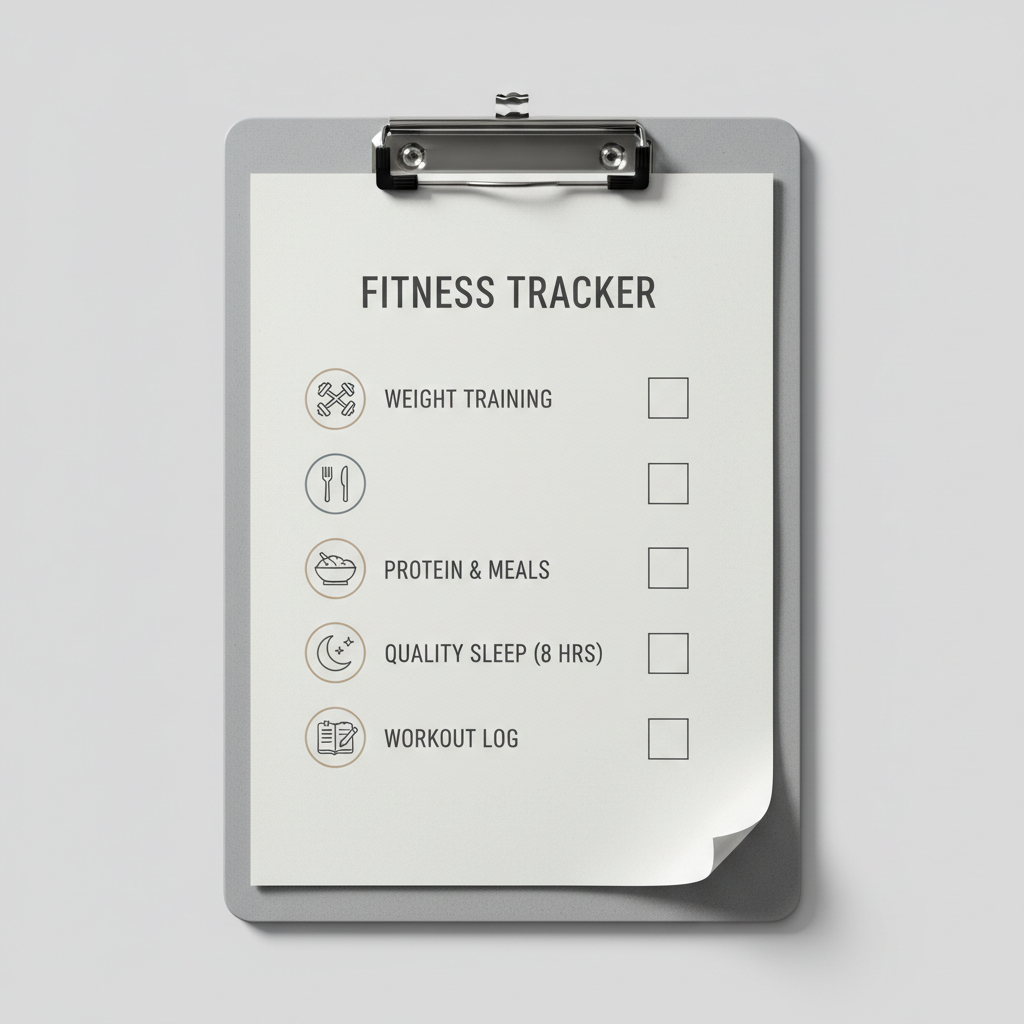
If you’re generally healthy and can train consistently, you’re ready. If something feels off medically, or you have persistent pain, it’s worth getting individualized guidance.
Training plan: a simple 3-day bodybuilding routine that works
For beginners, a full-body plan 3 days per week is hard to beat. It gives you frequent practice, enough weekly volume to grow, and recovery days built in. Keep it boring on purpose.
Weekly schedule (example)
- Mon: Full Body A
- Wed: Full Body B
- Fri: Full Body A
- Next week: B / A / B
Full Body A
- Squat or Leg Press: 3 sets x 6–10 reps
- Bench Press or Dumbbell Press: 3 x 6–10
- Row (cable, machine, or dumbbell): 3 x 8–12
- Romanian Deadlift or Hamstring Curl: 2–3 x 8–12
- Lateral Raises: 2 x 12–20
- Optional arms (curl + triceps pressdown): 2 x 10–15
Full Body B
- Deadlift variation (light/moderate) or Hip Hinge Machine: 2–3 x 5–8
- Overhead Press (machine or dumbbells): 3 x 6–10
- Lat Pulldown or Assisted Pull-up: 3 x 8–12
- Split Squat or Leg Extension: 2–3 x 8–12
- Calf Raises: 2 x 10–15
- Core (plank or cable crunch): 2–3 sets
Key point: keep 1–3 reps “in the tank” on most sets (often called RIR). You should work hard, but you shouldn’t fail every set, especially early on.
Progression: how to know you’re improving (without overthinking)
Bodybuilding Basics becomes much easier once you adopt one progression rule and stick with it. Here’s a simple option that fits most beginner lifts.
- Pick a rep range, like 6–10 for big lifts and 10–15 for accessories.
- Use the same weight until you can hit the top of the range for all sets with solid form.
- Then add a small amount of weight next time, and repeat.
If your form breaks down or you feel joint pain, don’t “push through” just to follow the rule. Lower the weight and keep the movement clean.
Nutrition basics: protein, calories, and what to do on busy weeks
Training is the stimulus, food is the building material. If you train consistently but eat too little, muscle gain is slower and sometimes basically paused.
According to USDA Dietary Guidelines resources, nutrient-dense food patterns support overall health; for muscle-building, many people also benefit from prioritizing protein at each meal. Exact targets vary by body size, goals, and medical context, so if you have kidney disease or other relevant conditions, ask a clinician or registered dietitian.
Practical nutrition targets (beginner-friendly)
- Protein: include a protein source at 3–4 meals per day (chicken, eggs, Greek yogurt, tofu, lean beef, beans plus grains).
- Calories: if weight never trends up and strength stalls, you may need a small calorie increase.
- Carbs: don’t fear them, they often help training performance (rice, potatoes, oats, fruit).
- Hydration: if pumps vanish and workouts feel flat, water and electrolytes can be the boring fix.
Simple “muscle meals” that don’t require chef energy
- Greek yogurt + fruit + granola
- Turkey sandwich + milk
- Rice bowl: chicken or tofu, frozen veggies, olive oil
- Egg scramble + toast + avocado
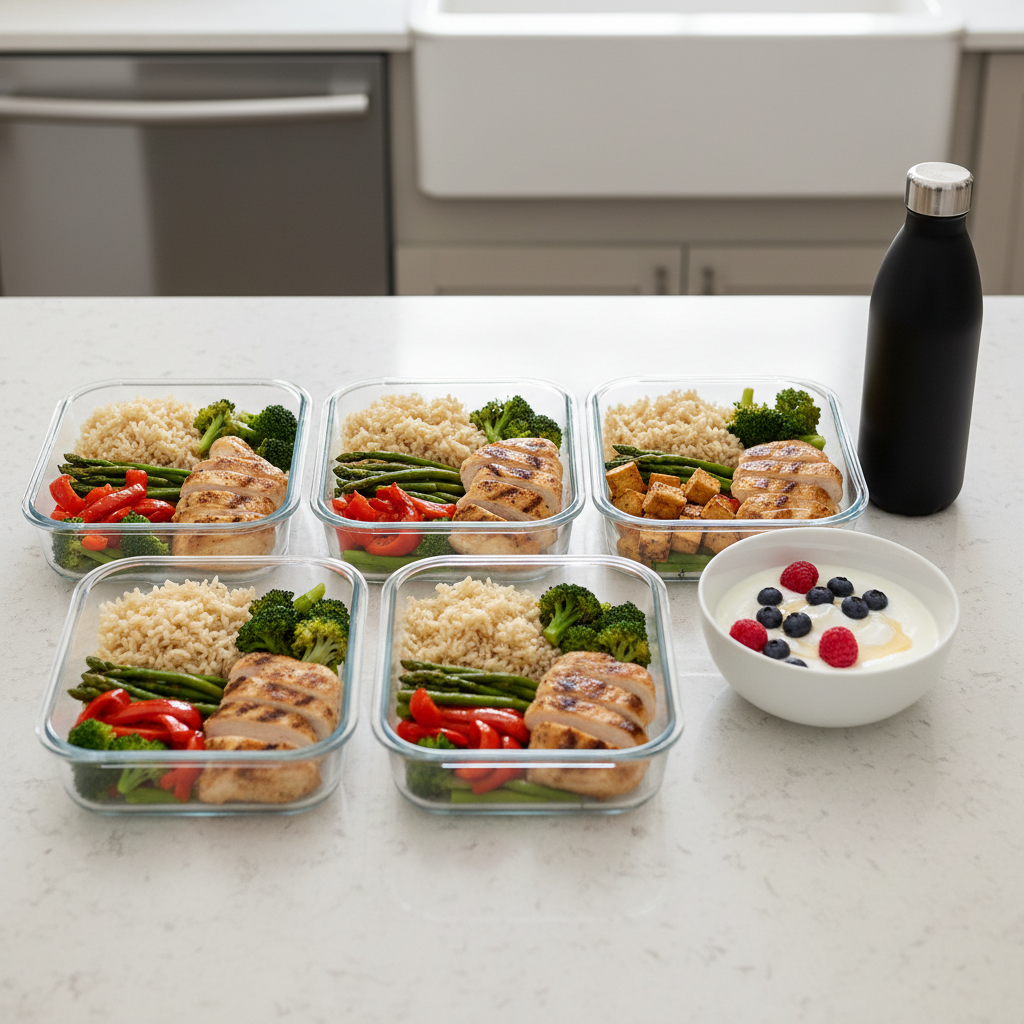
If you want one habit that covers a lot of ground, it’s this: build each meal around a protein anchor, then add carbs and color.
Recovery and injury prevention: the unsexy part that keeps you training
Beginners often think soreness equals growth. It can happen, but it’s not a reliable scorecard, and chasing it can backfire.
- Sleep: aim for 7–9 hours when possible. If life is chaotic, protect a consistent wake time.
- Warm-up: 5–10 minutes easy cardio plus 2–4 lighter ramp-up sets for your first lift.
- Rest days: walk, stretch lightly, keep blood moving, but avoid turning rest into another hard workout.
- Pain rule: sharp pain, numbness, or pain that changes your movement pattern is a stop sign.
According to American College of Sports Medicine (ACSM) position stands and public guidance on resistance training, gradual progression and proper technique are central to safer strength programs, which is especially relevant for new lifters.
Beginner roadmap: what to track and what to ignore
If you track everything, you track nothing. If you track nothing, it’s easy to drift. Here’s a realistic middle ground.
Track these (5 minutes total)
- Workout log: exercises, sets, reps, weight
- Body weight trend: 3–7 morning weigh-ins per week, look at the weekly average
- One progress photo every 4 weeks (same lighting)
Usually safe to ignore early on
- Perfect exercise variety
- “Optimal” supplement timing
- Daily mirror checks
A simple table: the most common beginner problems and fixes
This is the stuff that shows up again and again in real gyms.
| Problem | What it often looks like | What to do next |
|---|---|---|
| Not progressing | Same weights for 4–6 weeks | Repeat core lifts, use a rep range, add small weight once you hit the top |
| Always sore | Legs wrecked, workouts skipped | Reduce sets, keep 1–3 reps in reserve, prioritize sleep |
| “Eating clean” but not gaining | Weight flat, energy low | Add a small daily snack, increase carbs around training, keep protein steady |
| Joint irritation | Elbows/shoulders ache after pressing | Check form, adjust grip/angle, swap to dumbbells or machines, consider a professional assessment |
Conclusion: what to do this week
Bodybuilding Basics isn’t a secret, it’s a repeatable routine you can actually follow when motivation dips. Keep your plan simple, train close enough to challenge, eat like someone who wants to recover, and track just enough to see the trend.
If you want a clean starting move, pick the 3-day routine above, log every session, and plan three protein-forward meals per day for the next two weeks. Then reassess based on what your log shows, not what your feed suggests.
Key takeaways
- Consistency beats novelty for beginners, repeat core lifts long enough to improve.
- Progression needs a rule, use rep ranges and small weight jumps.
- Protein + sleep make your training pay off.
- Form and recovery keep you in the game long enough to grow.
FAQ
How long does it take to see results with bodybuilding basics?
Many beginners notice strength changes within a few weeks, while visible muscle changes often take longer and depend on starting point, nutrition, and consistency. If you track lifts and weekly body-weight trends, you’ll usually spot progress before the mirror shows it.
Should beginners train to failure?
In many cases, it’s smarter to stop 1–3 reps short of failure on most sets, especially on compound lifts. Training to failure can be useful sometimes, but it also raises fatigue and can degrade form when you’re still learning.
What’s better for bodybuilding: machines or free weights?
Both can build muscle. Free weights teach coordination, machines can make it easier to train hard with stable form. A mixed approach is practical for most beginners, especially if certain joints feel better on machines.
Do I need supplements to start bodybuilding?
No. A consistent training plan, adequate protein, and enough calories usually matter more. If you’re considering supplements, it’s reasonable to start with basics like protein powder for convenience, and check with a professional if you take medications or have health conditions.
How many days a week should a beginner bodybuild?
Three days per week is a solid starting point for many people because it balances practice and recovery. If your schedule supports it and recovery stays good, you can move to four days later, but you don’t have to rush.
Can I do cardio and still build muscle?
Often yes, especially if cardio volume is moderate and you eat enough to recover. If leg growth or strength stalls, reduce intense cardio sessions or separate them from lifting days.
What if I have back or shoulder pain when lifting?
Don’t ignore it. Reduce load, adjust technique, or swap exercises, and if pain persists, worsens, or includes numbness/tingling, it’s wise to consult a qualified healthcare professional or physical therapist for individualized guidance.
If you’re trying to apply these basics but keep getting stuck on programming, form choices, or how to eat for your schedule, you may prefer a more done-for-you plan that matches your gym equipment and weekly availability, that kind of structure often makes consistency feel a lot easier.