
The best electric bike for adults in 2026 is the one that matches your riding reality: where you ride, how far you go, how much you carry, and whether you want a relaxed cruiser feel or a punchier commuter setup.
If you shop by hype alone, it’s easy to overpay for speed you won’t use, or worse, buy a bike that feels unstable, underpowered on hills, or annoying to maintain. A good e-bike should feel like it disappears under you, smooth starts, predictable braking, and a battery that fits your weekly routine.
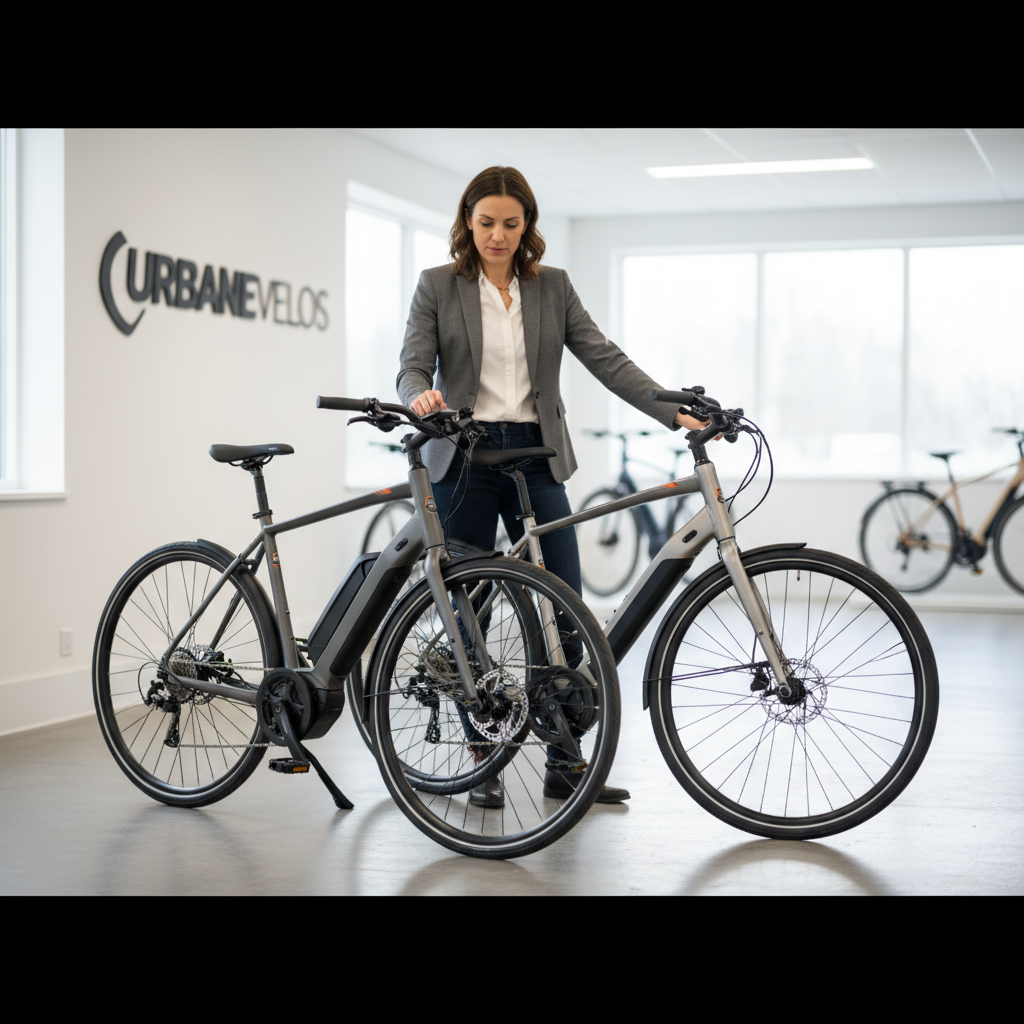
This guide breaks down the choices that actually matter in the U.S. market for 2026, including e-bike classes, motor styles, range math, comfort fit, and a simple short list you can use at a shop or online listing.
What “best” means for adult e-bikes in 2026
Most adults don’t need the “most powerful” bike, they need the most predictable one: stable handling, enough assist for your hills, and parts you can service locally.
- Fit and ergonomics: step-through vs step-over, reach to the bars, and saddle comfort matter more than top speed.
- Real range: battery size plus how you ride; many shoppers underestimate headwinds, cold temps, and hills.
- Use-case features: racks, fenders, lights, and tire width can save money later.
- Serviceability: common components, dealer support, and standard battery systems reduce downtime.
According to PeopleForBikes... e-bike classifications (Class 1/2/3) help riders and cities align speed and access rules, so choosing the right class is not just a spec, it affects where you can ride.
Quick comparison table: choosing the right category
If you want a fast way to narrow down the best electric bike for adults for your needs, this table does most of the heavy lifting.
| Adult rider profile | Best e-bike type | Typical class | What to prioritize | Common trade-off |
|---|---|---|---|---|
| Daily commuter (3–12 miles) | Commuter/urban | Class 1 or 3 | Lights, fenders, rack, puncture-resistant tires | Heavier than a non-electric bike |
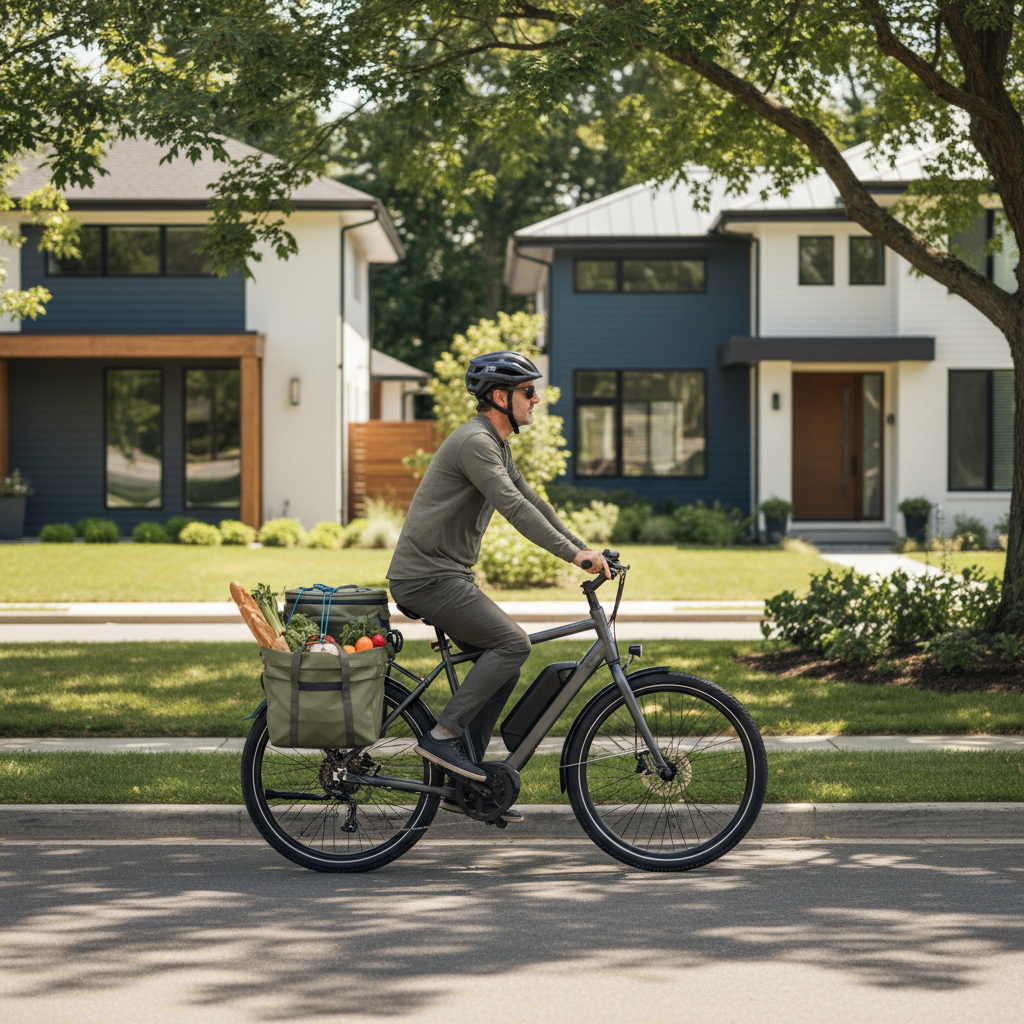
| Errands + groceries | Utility/cargo (short-tail) | Class 1 or 2 | Strong brakes, sturdy rack, low center of gravity | Storage space at home |
| Comfort rides + mild paths | Cruiser/comfort | Class 1 or 2 | Upright position, wide tires, suspension seatpost | Slower handling at higher speeds |
| Apartment storage, mixed transit | Folding | Class 1 or 2 | Fold mechanism, carry handle, tire quality | Less stable than full-size bikes |
| Hills + longer rides | Trekking/hybrid | Class 1 or 3 | Mid-drive or high-torque hub, bigger battery | Higher cost for nicer drivetrains |
Key specs that actually change the ride (and what to ignore)
Listings love to shout motor watts and top speed, but adults usually feel the difference elsewhere: torque delivery, braking confidence, and how the bike fits at a stoplight.
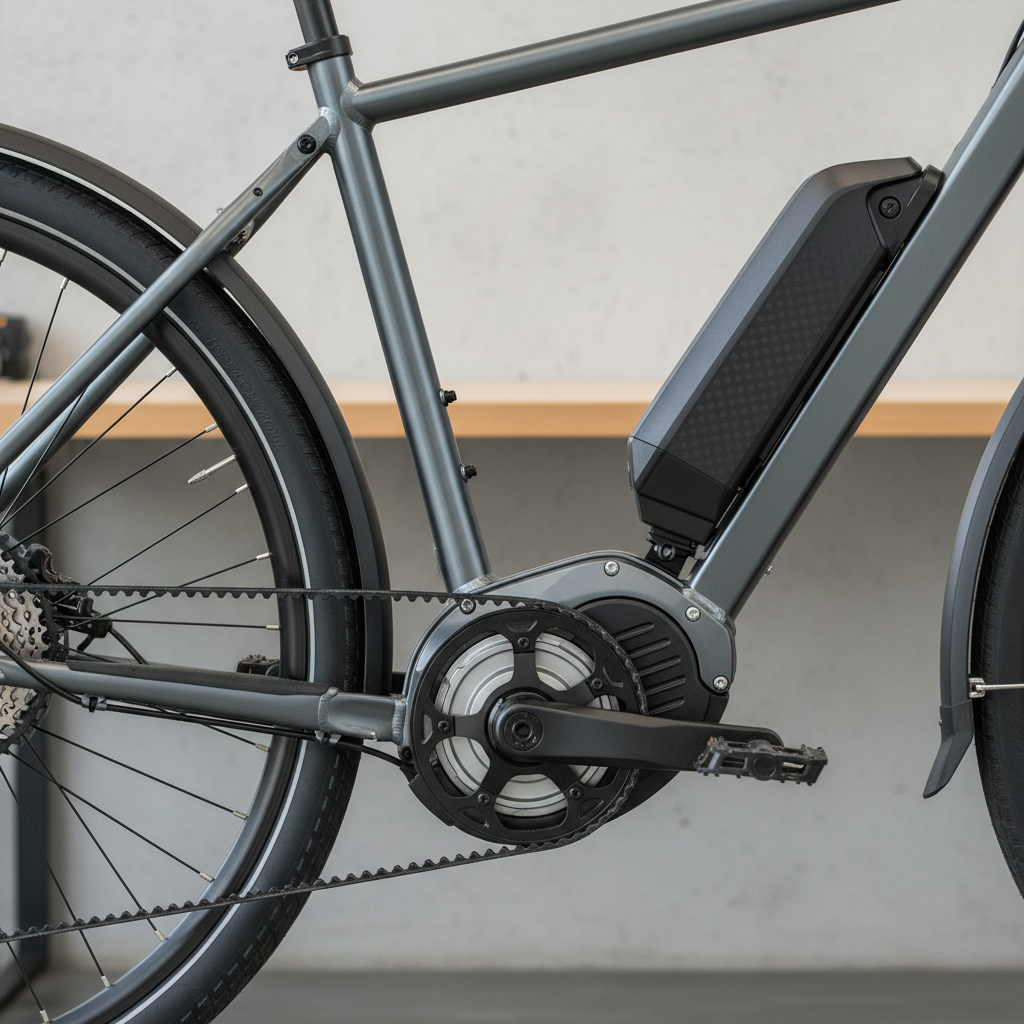
Motor feel: hub vs mid-drive
- Hub-drive (rear hub common): usually quieter, simpler, often better value. Great for flatter commutes and casual riding.
- Mid-drive (at the crank): tends to climb better at lower speeds and feels more “bike-like” because it uses your gears, but can cost more and add drivetrain wear.
If your rides include sustained climbs or you carry loads, motor torque matters more than peak watts. Many brands list torque in Nm; higher torque often feels calmer and stronger on hills.
Battery basics: Wh is your range budget
Battery capacity is usually described in watt-hours (Wh). Bigger Wh often means more range, but speed, rider weight, tire pressure, terrain, and temperature can swing results a lot.
- Commuting sweet spot: many adults are comfortable around mid-size batteries for daily trips with charging every few days.
- Longer rides: consider larger Wh or a second charger at work rather than chasing the biggest pack.
- Removable battery: helpful if you store the bike in a garage but charge indoors.
Brakes, tires, and geometry: the safety trio
For a best electric bike for adults shortlist, I’d put these near the top:
- Hydraulic disc brakes: smoother control and better performance in wet conditions than many mechanical setups.
- Tires: wider tires add comfort and stability; puncture protection is worth paying for if you commute.
- Step-through frames: easier mounting, especially with racks or limited mobility, but still check stiffness and weight rating.
According to NHTSA... bicycle safety starts with visibility and predictable control in traffic, so built-in lights and confident braking are not “nice-to-haves” if you ride near cars.
A simple self-checklist to find your match fast
Before you compare brands, answer these. It prevents buying the wrong class or the wrong geometry, which is where regret usually starts.
- Your weekly pattern: how many rides per week, and how many miles per ride?
- Terrain: flat, rolling, or sustained hills you can’t avoid?
- Storage: can you park a 55–70 lb bike, or do you need a lighter or folding option?
- Charging: outlet near storage, or do you need a removable battery?
- Comfort needs: upright bars, suspension fork, suspension seatpost, or simply bigger tires?
- Carrying: laptop bag only, or groceries and kid gear?
- Where you ride: bike paths, roads, mixed-use trails, city centers with rules about Class 3?
Buying advice by scenario (what to look for in listings)
Here’s how I’d translate specs into real shopping filters, so you can skim product pages without getting trapped in spec soup.
If you commute and want speed without drama
- Pick Class 1 or Class 3 depending on local rules and your comfort level at higher speeds.
- Prioritize full fenders, a real rear rack, and quality lights that are easy to leave on.
- Look for tires designed for city debris and wet manhole covers.
If your rides are mostly comfort and recreation
- Choose an upright position, often a comfort hybrid or cruiser.
- Don’t overbuy speed; a calmer tune can feel safer on shared paths.
- Consider a suspension seatpost before chasing a heavy suspension fork.
If you have hills or you carry cargo
- Consider higher torque setups and gearing that keeps cadence comfortable.
- Upgrade mindset: brakes and tires first, cargo accessories second.
- Check rack weight limits and overall bike payload rating, not just “it has a rack.”
If you need something apartment-friendly
- Folding bikes can be a great answer, but check folded dimensions and carry points.
- Pay attention to wheel size and tire quality; small wheels can feel twitchy on rough streets.
- Make sure the bike still fits you when unfolded, many adults ignore this part.
How to test ride (or evaluate online) like you mean it
A test ride doesn’t need to be long, it needs to be specific. If you buy online, mimic this with a careful setup check and a short “parking lot routine.”
- Start-stop: does the assist engage smoothly, and do the brakes feel easy to modulate?
- Low-speed handling: tight turns and U-turns reveal balance issues fast.
- Hill simulation: find an incline, listen for strain, and notice whether you’re spinning comfortably.
- Fit check: can you put a foot down confidently, and do your wrists feel relaxed?
- Noise and rattle: small rattles now often become big annoyances later.
According to CPSC... helmets reduce the risk of head injury in many common crash scenarios, so if you’re new to e-bikes or riding faster than before, it’s sensible to choose a properly fitted helmet and consider additional visibility gear.
Common mistakes adults make when buying an e-bike
- Buying too much speed: Class 3 can be great, but it’s not automatically better if your routes are crowded or restricted.
- Ignoring total weight: carrying a heavy e-bike up stairs is a deal-breaker for many people, even if the ride feels perfect.
- Over-focusing on peak watt numbers: torque delivery, gearing, and controller tuning shape the experience.
- Skipping service planning: if no shop will touch the brand, small issues can turn into long downtime.
- Forgetting contact points: saddle and grips can make a “good bike” feel miserable until you swap them.
Conclusion: picking the best electric bike for adults in 2026
The best electric bike for adults in 2026 usually comes down to a clean match between class, fit, and the kind of riding you actually repeat every week, not the most impressive spec sheet. If you do one thing today, run the self-checklist and decide your class and must-have features before you compare brands.
If you’re shopping this week, bring your typical cargo, wear the shoes you ride in, and do a short test ride that includes stops, turns, and a small hill. Those three minutes often tell you more than hours of reviews.